
Learning from the Desert: Understanding Water Conservation in Western Rajasthan
In the vast, arid landscapes of western Rajasthan, where rainfall is scarce and every drop of water holds immense value, conservation is not merely a practice—it is a way of life shaped over centuries. For the discerning traveller or curious observer, this region offers a profound opportunity to learn how communities have adapted with ingenuity, resilience, and deep respect for nature.
Learning from the Desert: Understanding Water Conservation in Western Rajasthan
In the vast, arid landscapes of western Rajasthan, where rainfall is scarce and every drop of water holds immense value, conservation is not merely a practice—it is a way of life shaped over centuries. For the discerning traveller or curious observer, this region offers a profound opportunity to learn how communities have adapted with ingenuity, resilience, and deep respect for nature.
A Landscape Defined by Scarcity
Western Rajasthan, particularly the Thar Desert, receives minimal and highly unpredictable rainfall. In such an environment, survival has long depended on the careful collection, storage, and use of water. Rather than relying solely on modern infrastructure, local communities have preserved and perfected traditional systems that remain remarkably effective even today.
To truly understand water conservation here is to first appreciate the context—a land where resourcefulness is born out of necessity.
Traditional Wisdom: Ingenious Water Systems
One of the most fascinating aspects of water conservation in this region lies in its traditional harvesting structures. Stepwells (baoris and jhalaras), underground tanks (tankas), and village ponds (nadis), Khadeen (reservoirs) are not only functional but also architectural marvels.
Visiting these structures with a knowledgeable local guide or expert can be an enriching experience. Each system has its own story—designed to capture precious rainwater, minimise evaporation, and sustain communities through long dry periods. These are not relics of the past; many are still in use, quietly supporting daily life.
Engaging with Local Communities
The most authentic way to learn about water conservation in western Rajasthan is through direct interaction with the people who live it every day. Village visits provide insight into how water is sourced, stored, and used with remarkable discipline.
Conversations with local families, farmers, and elders reveal practices that are both practical and philosophical—where water is treated with reverence, and wastage is unthinkable. You may observe how households manage limited supplies, how livestock is sustained, and how agriculture adapts to the environment.
These exchanges often leave a lasting impression, offering lessons that extend far beyond the region itself.
Guided Experiences and Field Visits
For those seeking a deeper understanding, curated experiences can be arranged with organisations and local experts working in water conservation. These may include visits to restored stepwells, community-led rainwater harvesting projects, and sustainable farming initiatives.
Such experiences provide a more structured perspective, combining traditional knowledge with modern approaches. You gain insight into how heritage practices are being revived and integrated into contemporary solutions to address water scarcity.
A Lesson in Sustainability
What makes western Rajasthan particularly compelling is its ability to teach sustainability in its most authentic form. Long before the term became globally relevant, communities here were practising mindful consumption, efficient resource management, and environmental harmony.
Learning about water conservation in this region is not just an educational exercise—it is a shift in perspective. It encourages a deeper appreciation for natural resources and a recognition of the delicate balance required to sustain them.
An Experience That Resonates
As you leave the desert landscapes behind, the lessons of western Rajasthan remain with you. The quiet discipline, the respect for nature, and the ingenuity of its people offer valuable insights in a world increasingly defined by excess.
To explore water conservation here is to engage with a living tradition—one that is as inspiring as it is essential, and one that continues to hold relevance far beyond the sands of the Thar Desert.
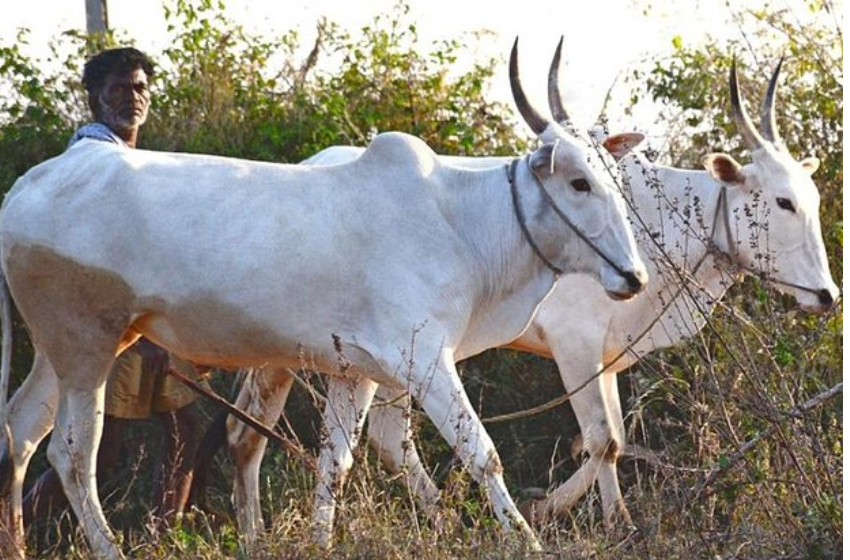
Village Tours Near Varanasi: Discovering Rural India Beyond the Ghats Varanasi is often described as the spiritual heart of India — a city of ancient temples, sacred rituals,...
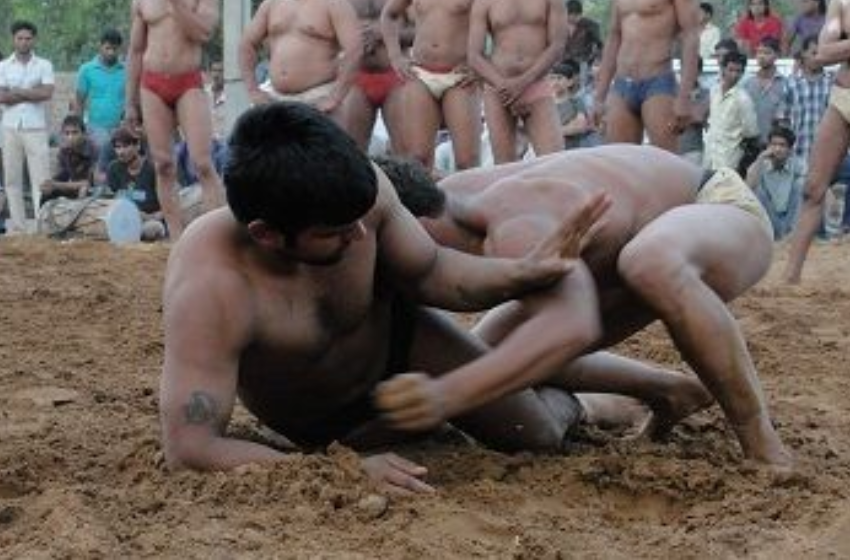
Akharas of Varanasi: A Journey into India’s Ancient Wrestling Tradition
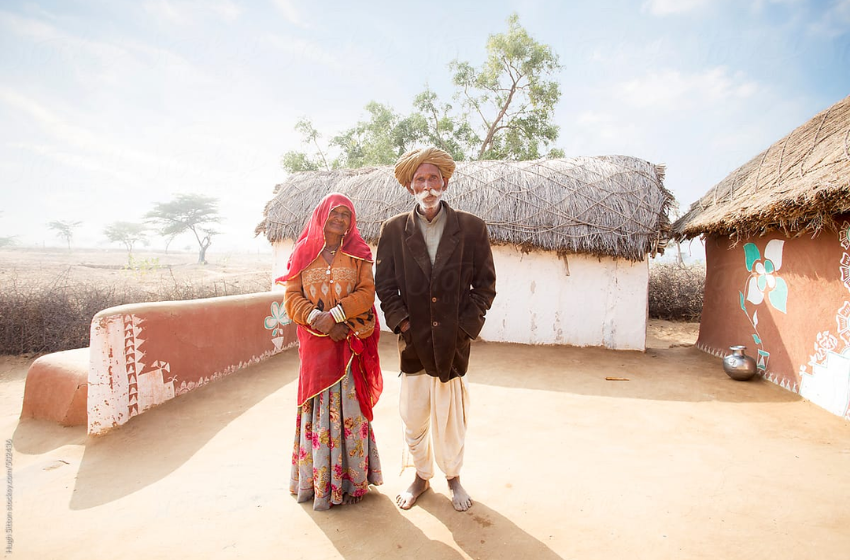
Experience of Foreign guests Staying with a Village Chief’s Family in West Rajasthan Hosting foreign clients in a traditional village setting in western Rajasthan offers a deeply enriching...
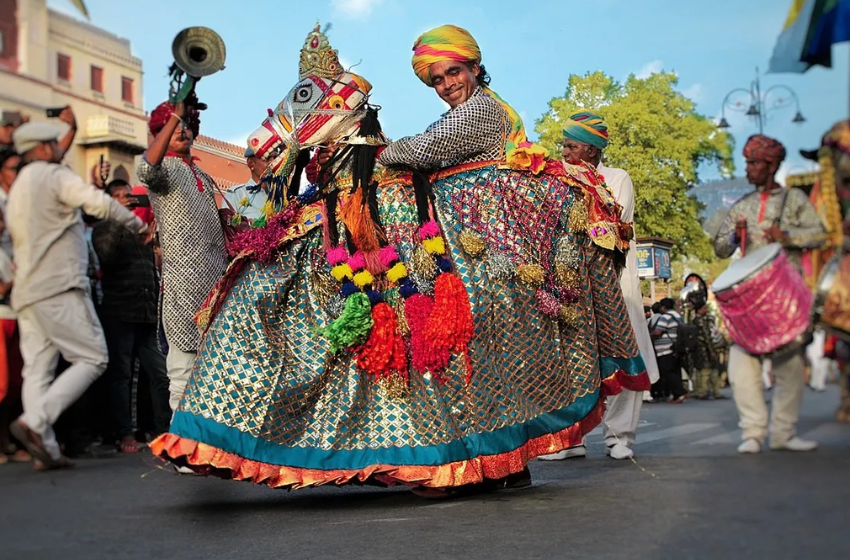
A folk dance performance represents a dynamic and expressive reflection of a community’s cultural identity, traditions, and way of life. Deeply rooted in history and transmitted across generations,...
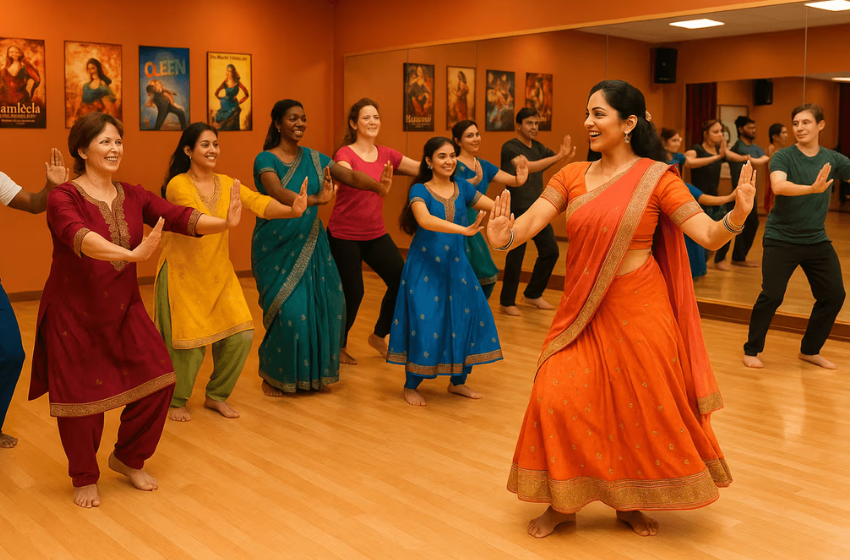
Participating in a Bollywood dance class, offers an energetic and immersive introduction to one of India’s most famous and expressive art forms. Have an experience the rhythm, style,...
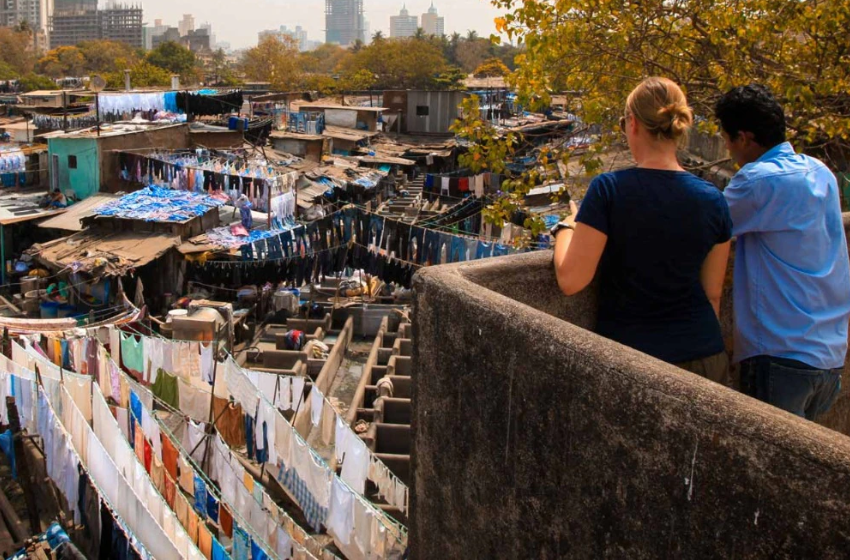
A slum tour in Mumbai offers a distinctive and insightful experience that extends well beyond conventional sightseeing. As India’s financial capital, Mumbai presents a striking contrast between modern...
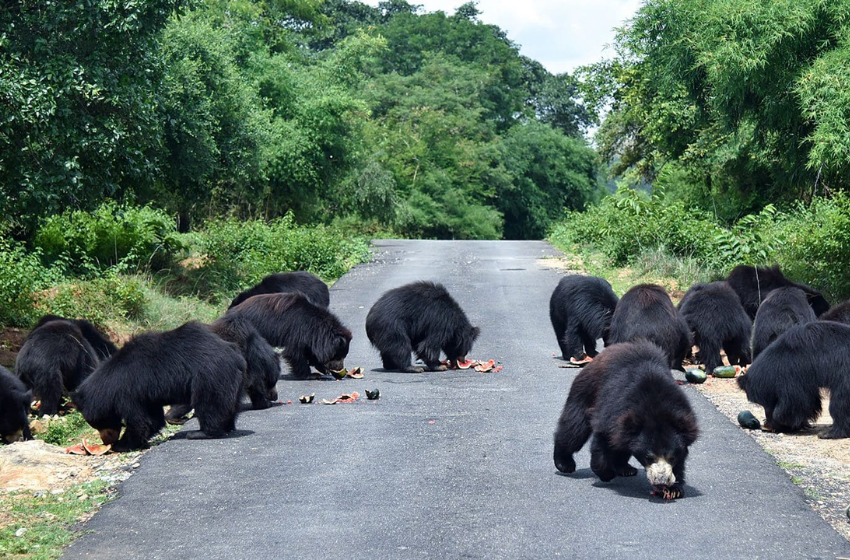
A visit to a bear rescue centre near Agra offers a meaningful and educational experience that extends beyond conventional tourism. It provides visitors with a valuable opportunity to...
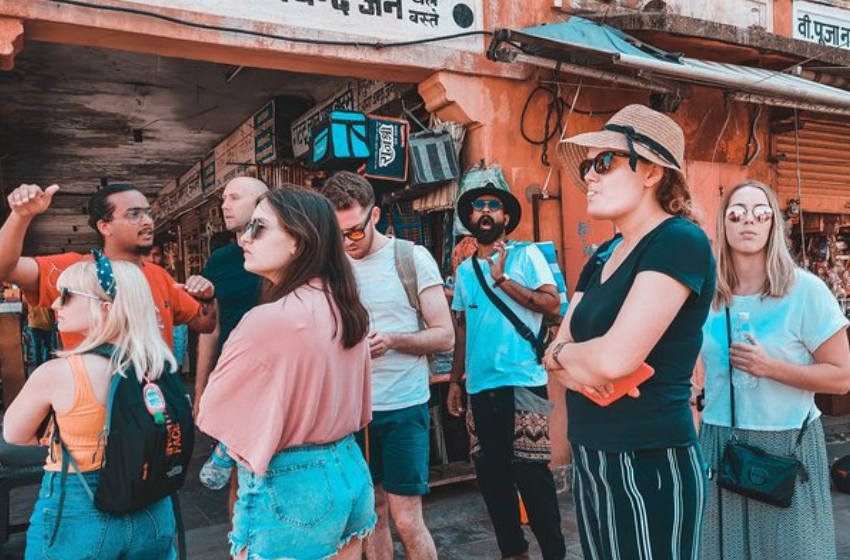
Exploring the hidden corners of the old parts of Jaipur offers a compelling journey into the city’s rich historical legacy, architectural refinement, and vibrant local culture. Beyond its...
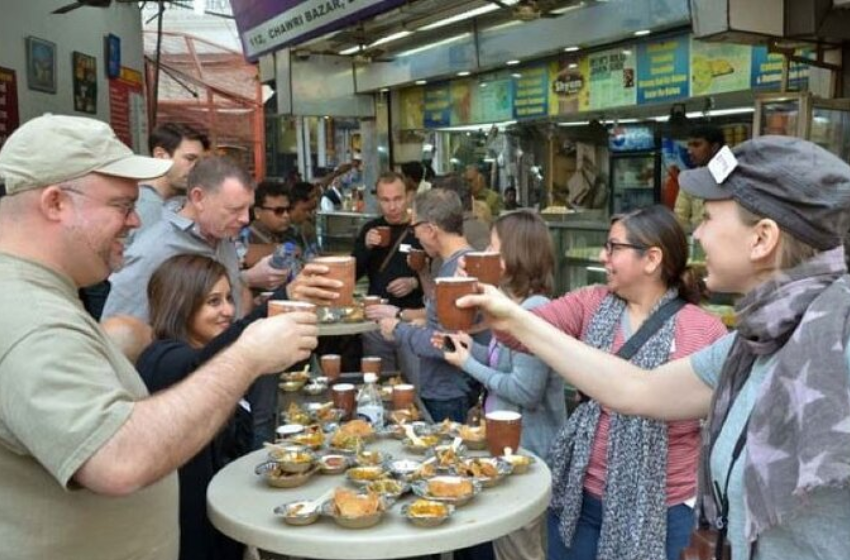
The Old Delhi Food Street and Heritage Walk is one of the most immersive cultural experiences in India, offering a perfect blend of history, architecture, and legendary street...

A Session with an Astrologer or Palm Reader: Exploring Ancient Wisdom and Personal Insight A session with an astrologer or palm reader offers a fascinating glimpse into traditional...
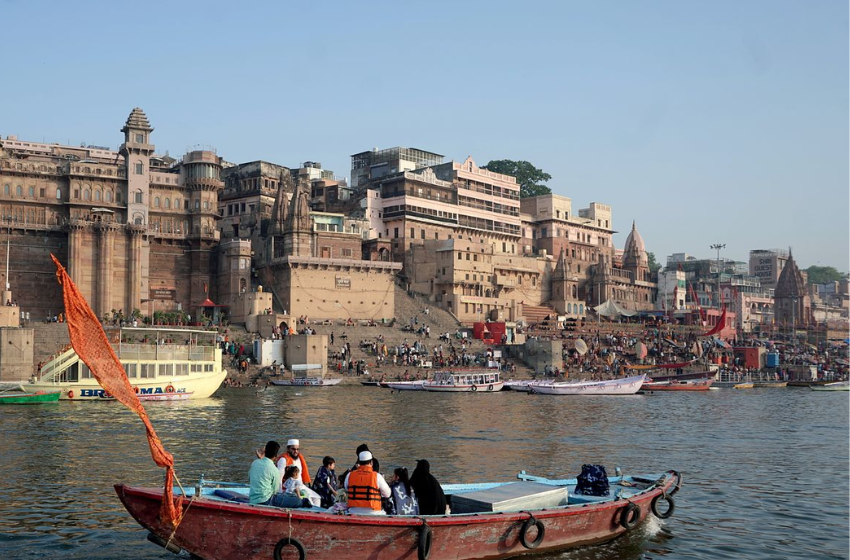
A boat ride on the Ganges River is one of the most immersive and spiritually enriching experiences in India. Flowing through several historic cities, the Ganges—also known as...
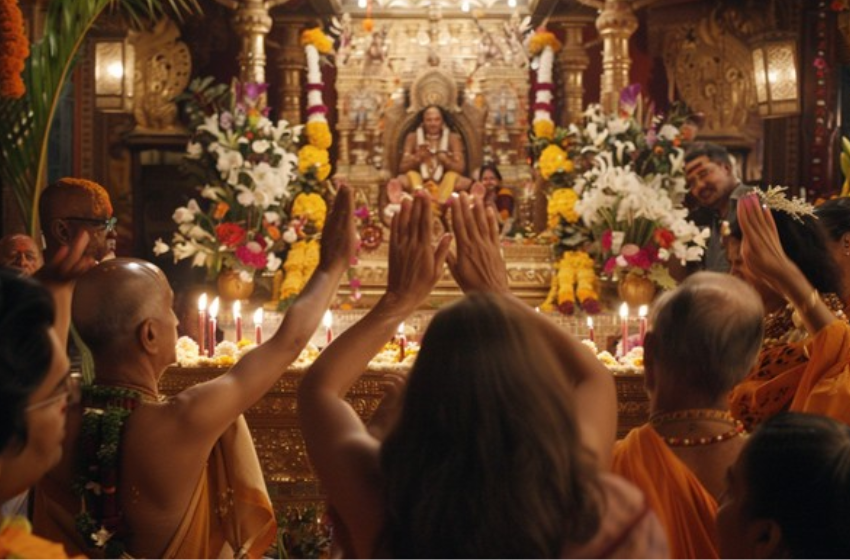
Attending a prayer ceremony in a Hindu temple offers a profoundly spiritual and culturally immersive experience. Devotees assemble to participate in sacred rituals that include the offering of...

Yoga sessions typically comprise a series of physical postures, known as asanas, complemented by controlled breathing techniques, referred to as pranayama. Together, these practices contribute to improved flexibility,...
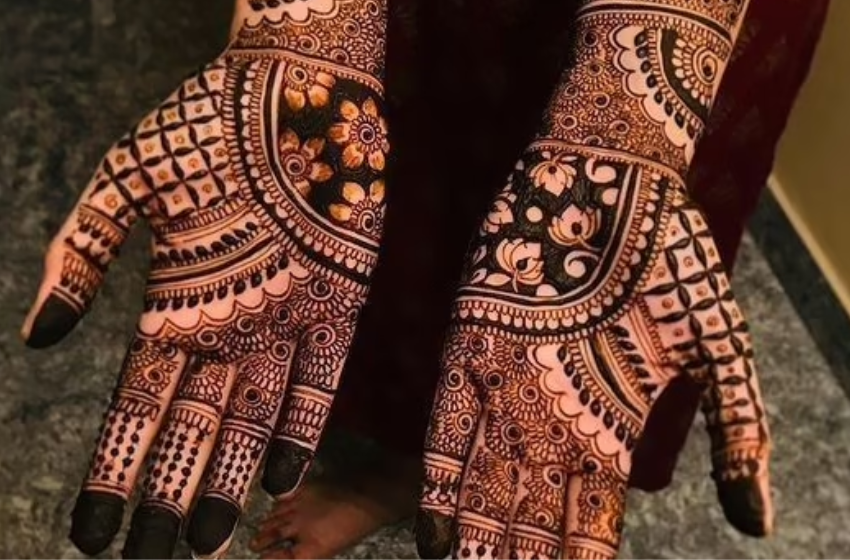
Henna Design in Jaipur: A Timeless Expression of Art and Tradition In the vibrant city of Jaipur, celebrated for its rich cultural heritage and vivid traditions, the art...
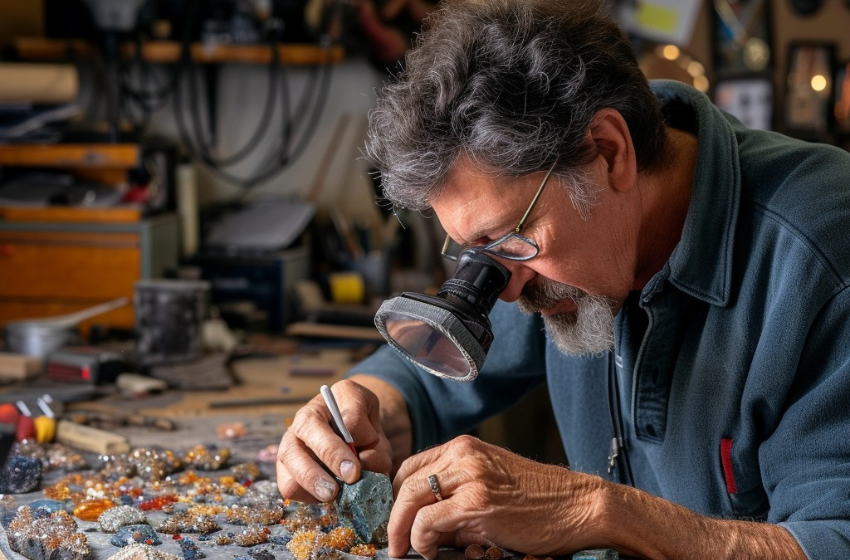
Visit to a Gemstone Workshop in Jaipur: Exploring the Art of Precious Craftsmanship A visit to a gemstone workshop in Jaipur, famously known as the “Pink City,” offers...
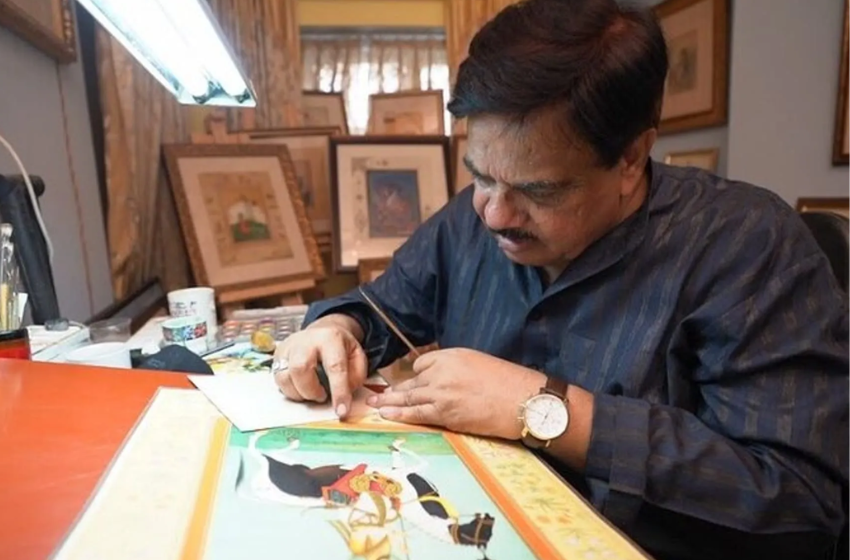
Miniature Art and Painting Workshop in Udaipur: Preserving a Delicate Legacy Nestled in the culturally vibrant city of Udaipur, often celebrated as the “City of Lakes,” miniature art...
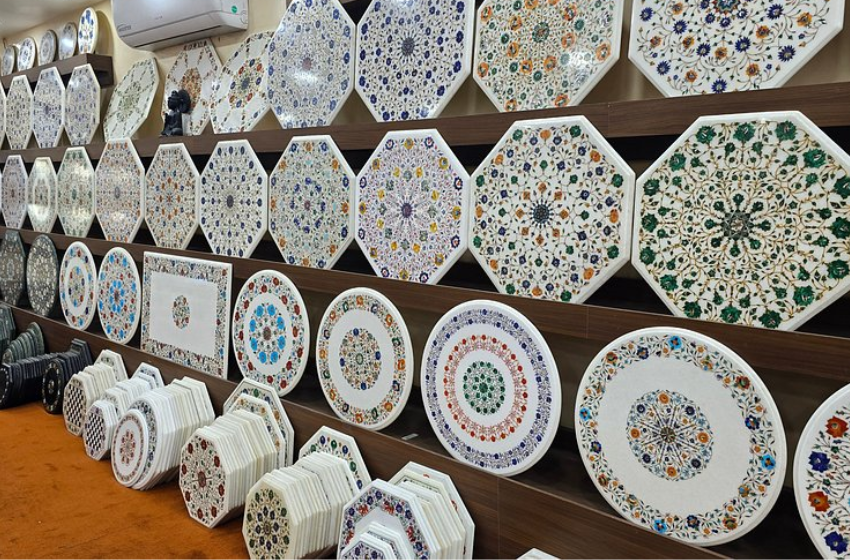
Marble Inlay Workshop in Agra: A Living Heritage of Stone Art In the historic city of Agra—renowned worldwide for the iconic Taj Mahal—a network of small yet extraordinary...
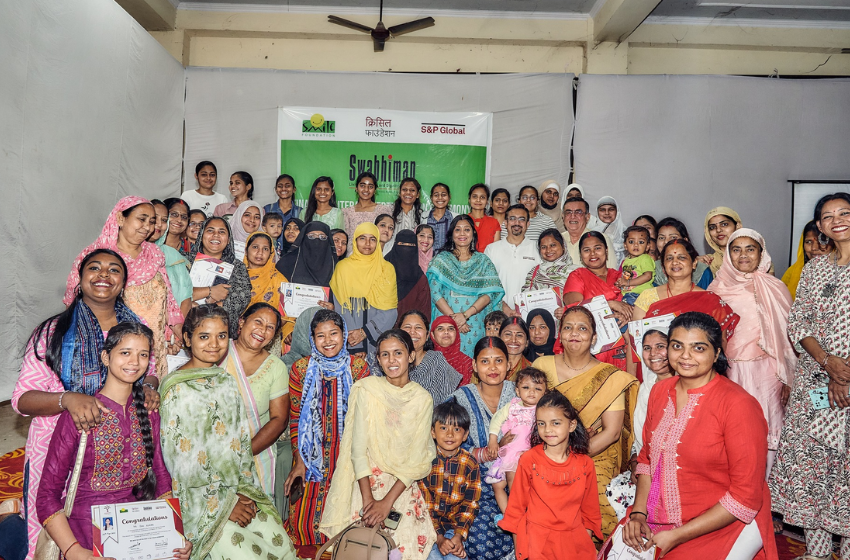
Empowering Change: Women-Led Initiatives in Rural Rajasthan Beyond the regal imagery of forts and palaces, Rajasthan tells another, quieter story—one of resilience, transformation, and the steady rise of...
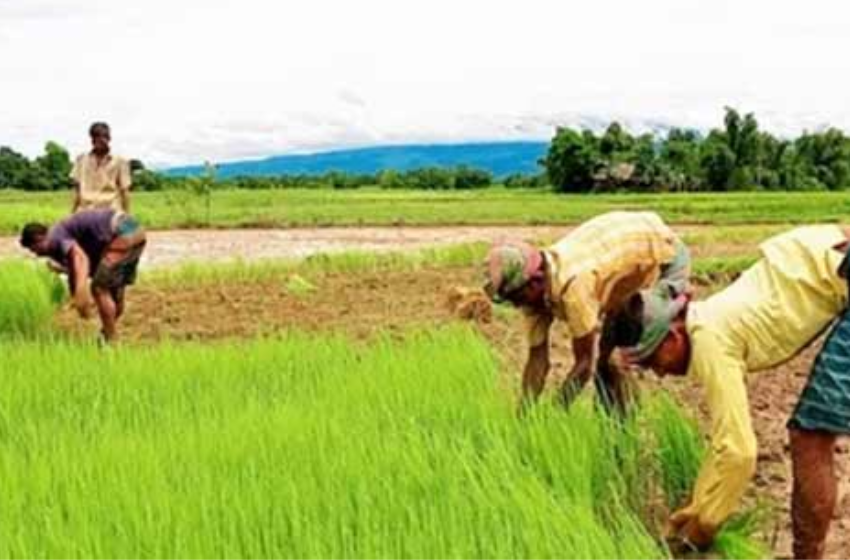
Visiting a Farm in Rural Rajasthan: An Intimate Glimpse into the Land and Its People Beyond Rajasthan’s grand forts and opulent palaces lies a quieter, more grounded world—one...
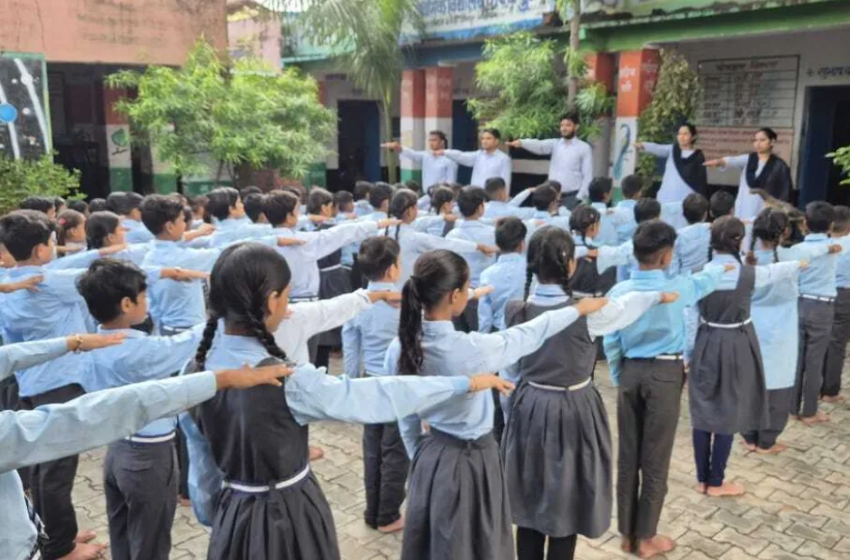
A Meaningful Encounter: Visiting a Village School in Rural Rajasthan Beyond the grand forts and ornate palaces, Rajasthan reveals its truest character in its villages—where life moves with...
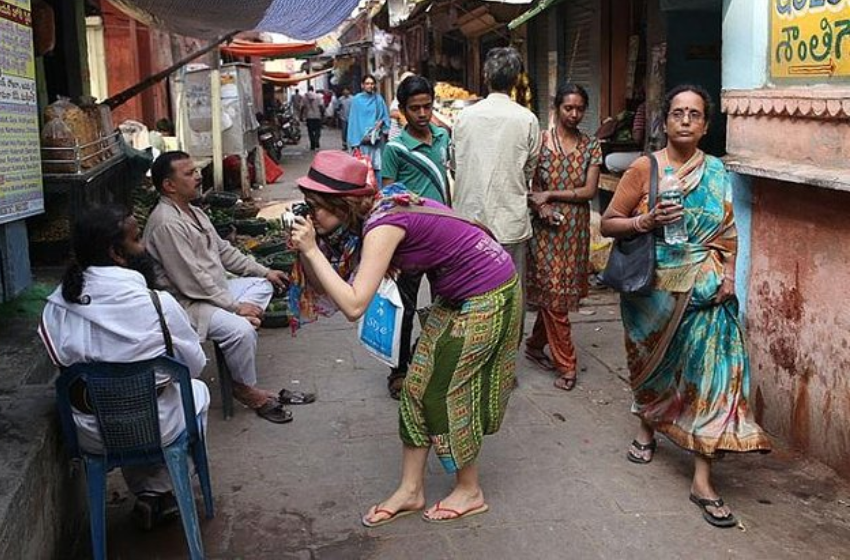
A Walking Tour of Old Varanasi: Into the Timeless Soul of India Varanasi is not a city you simply visit—it is a city you feel. One of the...
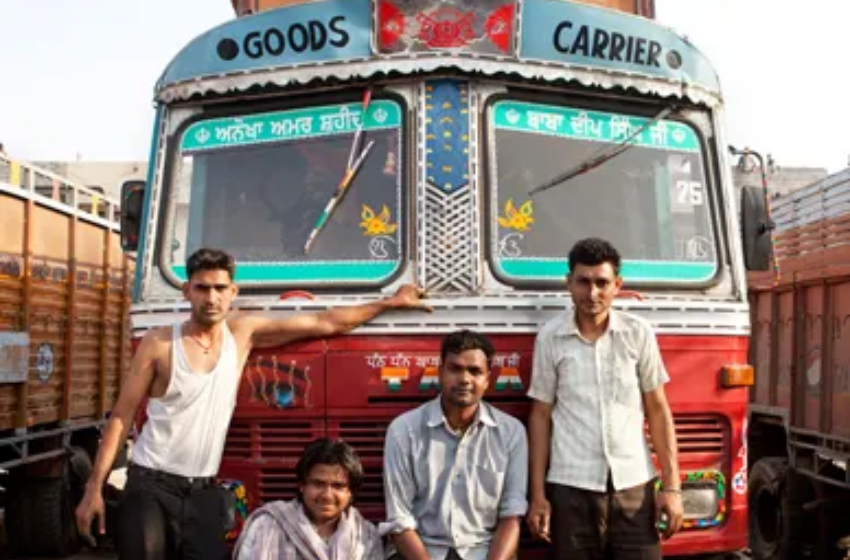
On the Open Road: Spending a Day with Truck Drivers in India India’s highways are the lifelines of the nation—arteries that carry goods, stories, and an unceasing rhythm...
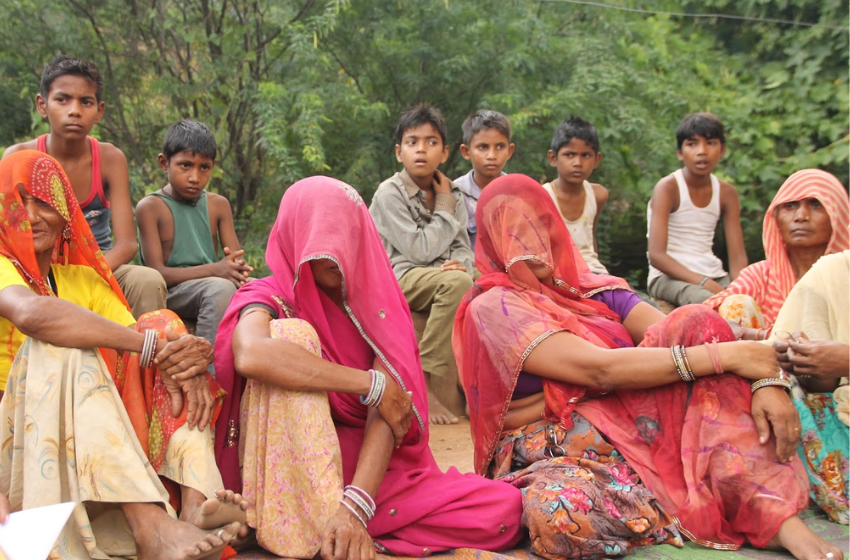
Into the Heart of Gujarat: A Journey Through Tribal Villages Beyond Gujarat’s vibrant cities and iconic landmarks lies a world that remains deeply rooted in tradition—its tribal villages....
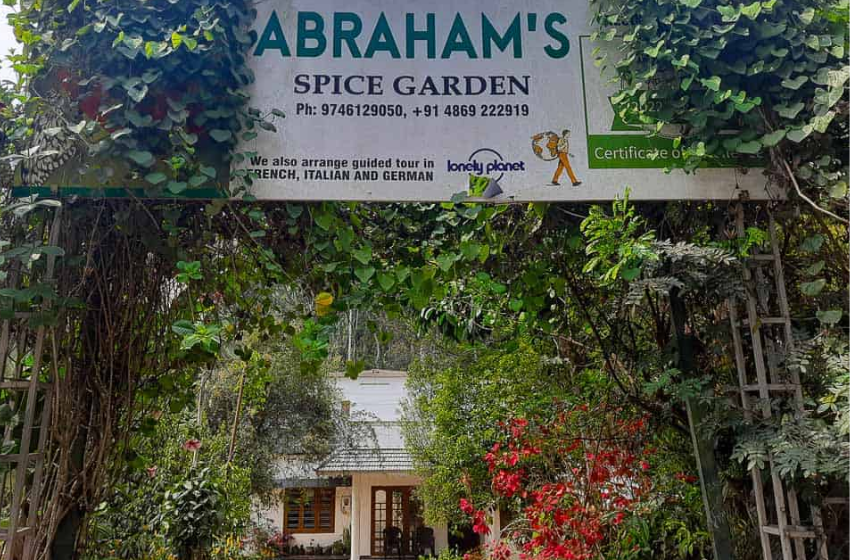
A Visit to Abraham’s Spice Garden: An Immersive Journey into the Fragrant Heart of South India In the lush, rain-soaked landscapes of South India—where the air carries the...
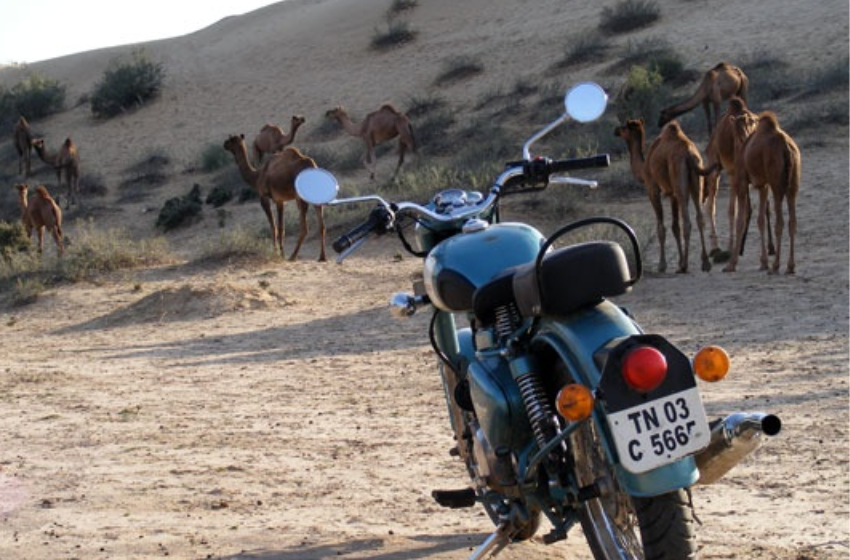
A Day on a Royal Enfield: Riding Through Rajasthan’s Living Landscape There is a certain romance attached to Rajasthan that reveals itself most beautifully on the open road....
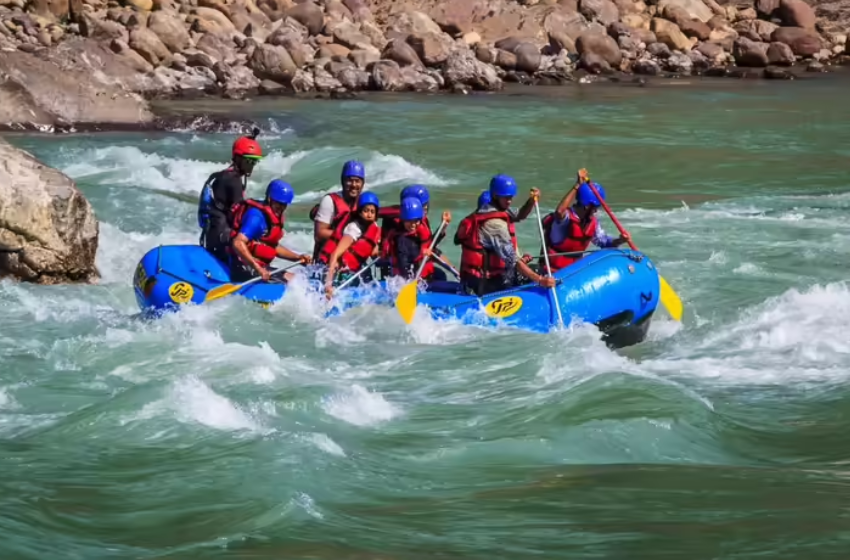
Water Adventures in India: Rafting and Kayaking Through Untamed Beauty India’s landscapes are as diverse as they are dramatic, and among its most exhilarating experiences are those found...
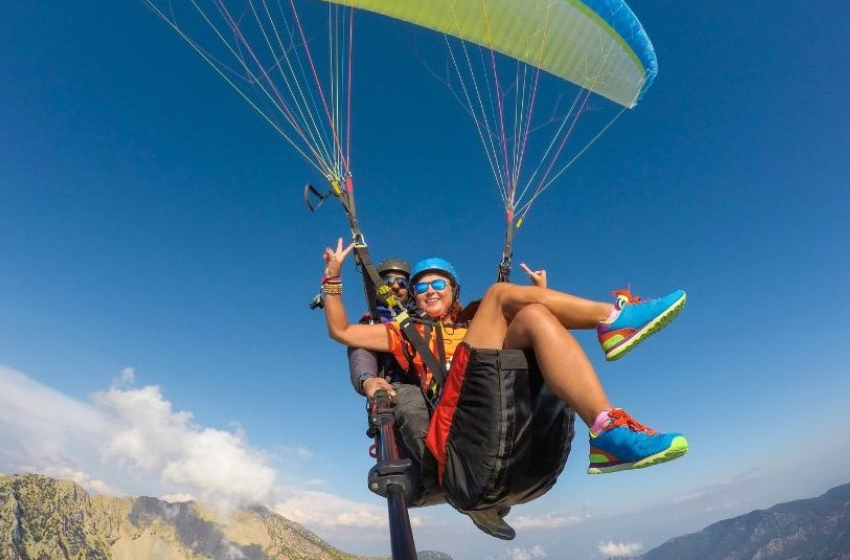
Paragliding in the Himalayas: An Elevated Dance with the Mountains There are few experiences in the world that rival the sheer poetry of flight, and in the Himalayas,...
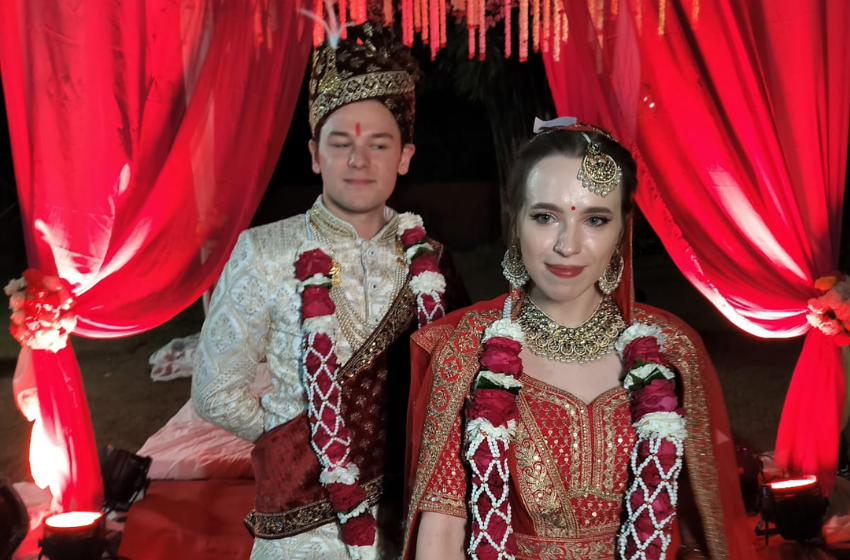
A Royal Affair Reimagined: Experiencing an Indian Mock Wedding in Rajasthan In Rajasthan, where celebrations are woven with colour, music, and centuries-old traditions, a wedding is not merely...
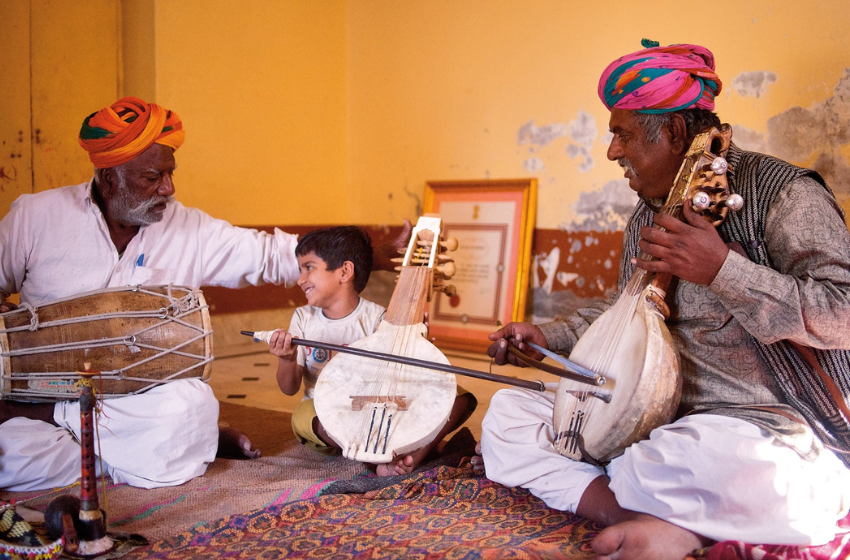
An Immersive Cultural Encounter: Meeting Local Craftsmen, Musicians, and Artists in Rajasthan For those who seek to experience Rajasthan beyond its grand monuments, the true essence of the...
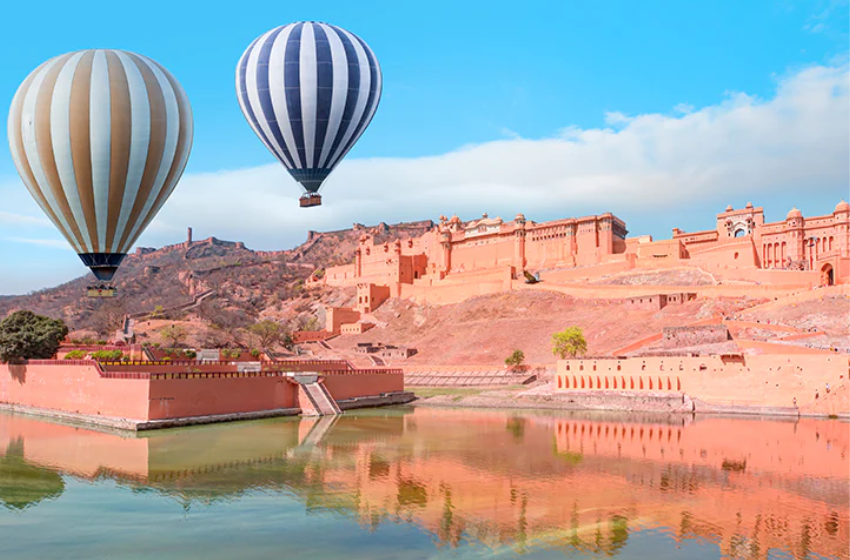
Hot Air Balloon Safari in Jaipur: An Elevated Journey into Royal Skies In a destination as evocative as Jaipur, where every façade tells a story and every horizon...
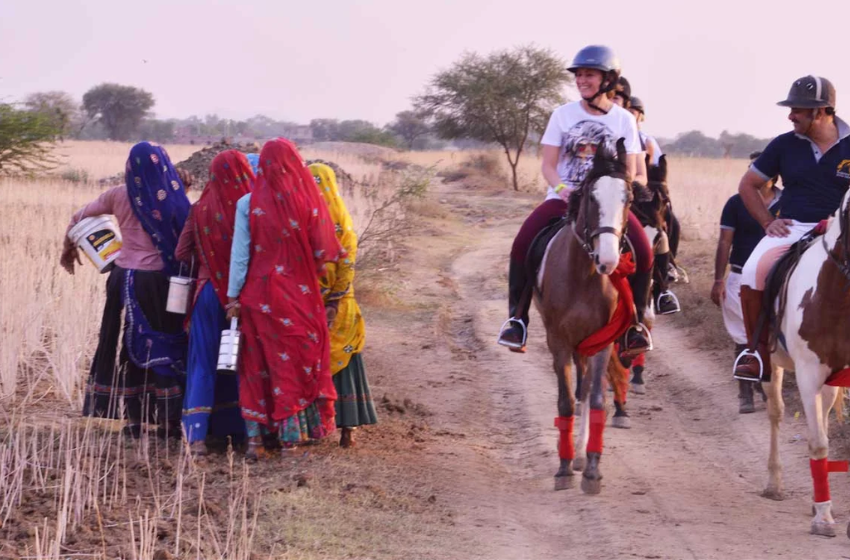
Horse Safari in Rural Rajasthan: There are journeys one undertakes to see a destination, and then there are those that allow one to truly feel it. A horse...
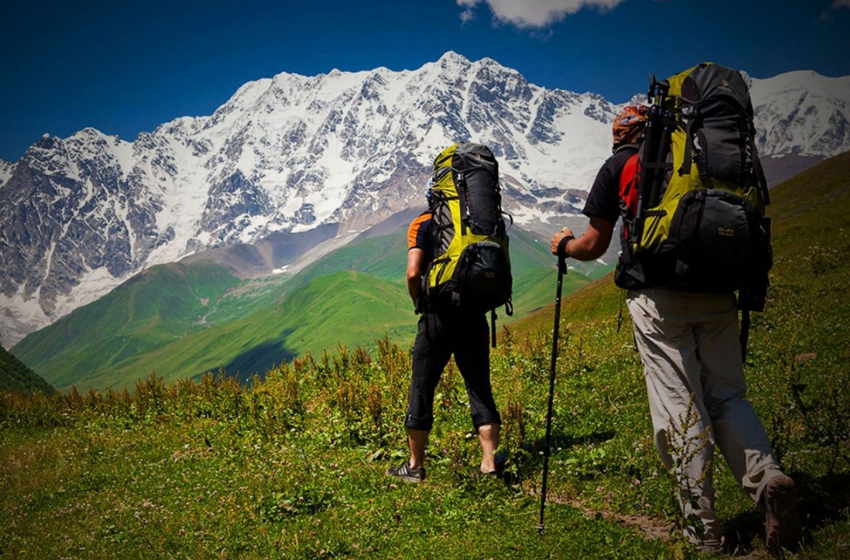
Hiking and Trekking in the Himalayas: A Journey into Elevated Serenity There are destinations one visits, and then there are landscapes that transform you. The Himalayas—majestic, timeless, and...
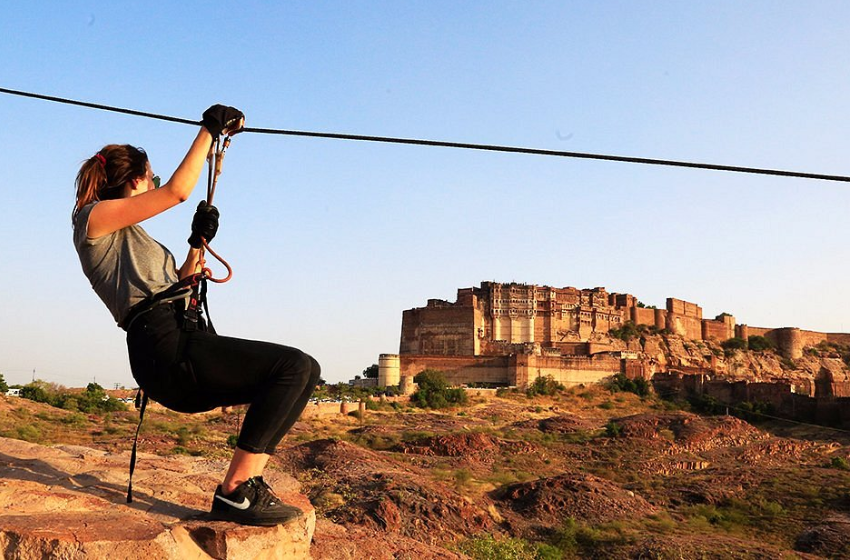
Flying fox Zip line tour at Jodhpur fort The flying fox experience at Mehrangarh Fort in Jodhpur offers a rare fusion of refined adventure and timeless grandeur. As...
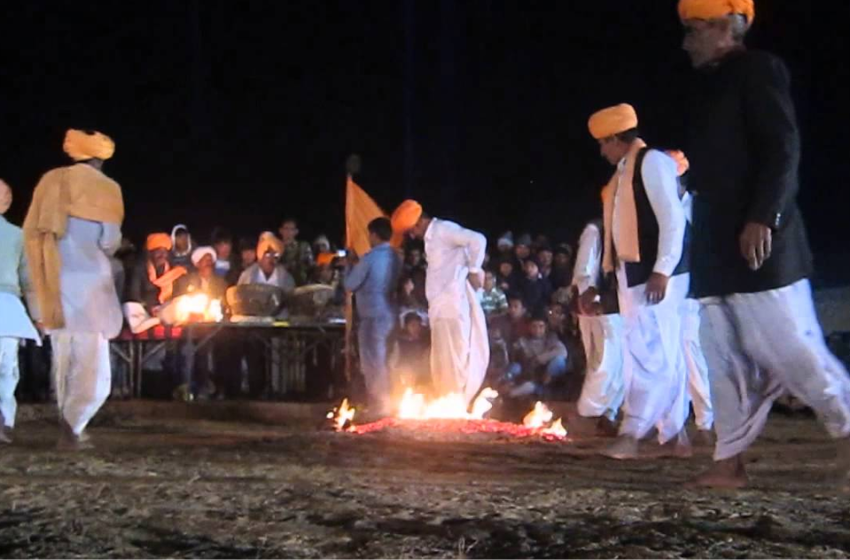
Fire Dance in Bikaner: A Mesmerising Desert Spectacle of Courage and Tradition In the heart of Rajasthan’s Thar Desert, where folklore and tradition come alive under starlit skies,...
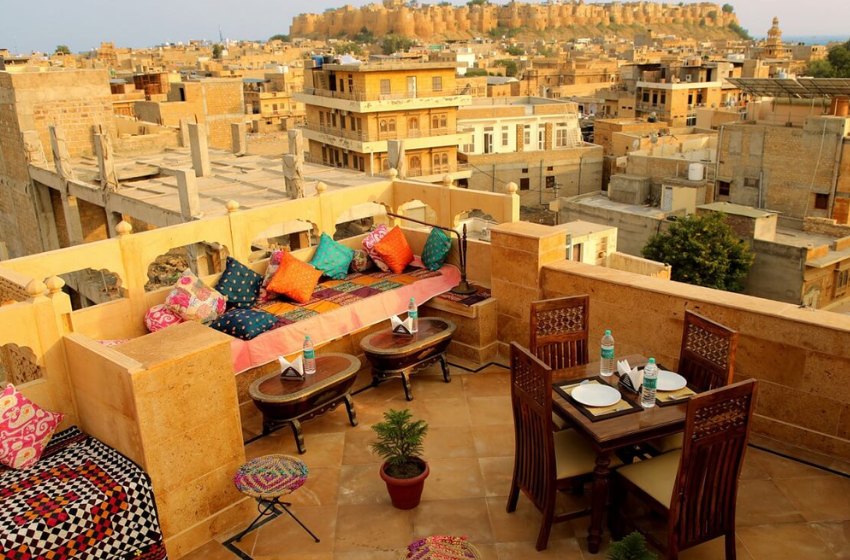
An Intimate Culinary Experience in Jaisalmer, Rajasthan: Dining with a Local Family. In a city defined by golden sandstone, winding lanes, and the quiet poetry of the Thar...
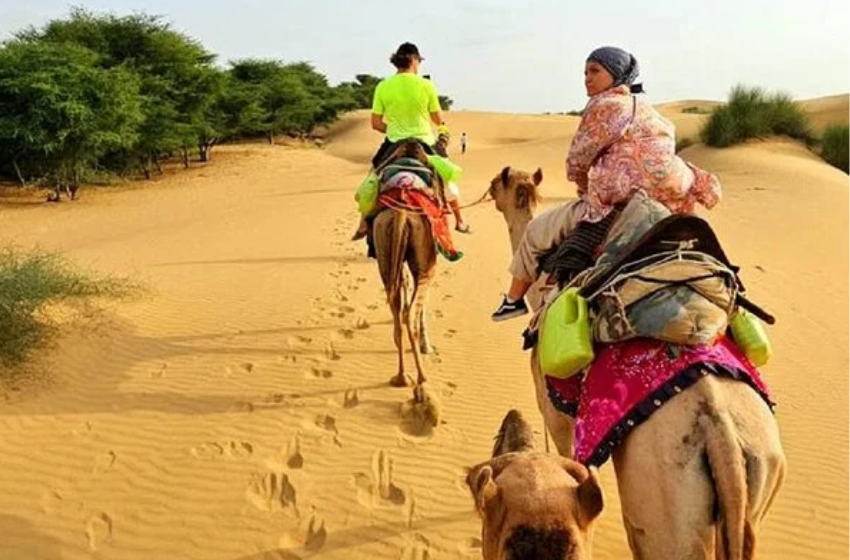
Camel Ride in the Thar Desert: In the golden expanse of the Thar Desert, just beyond the fabled city of Jaisalmer, lies an experience that captures the very...
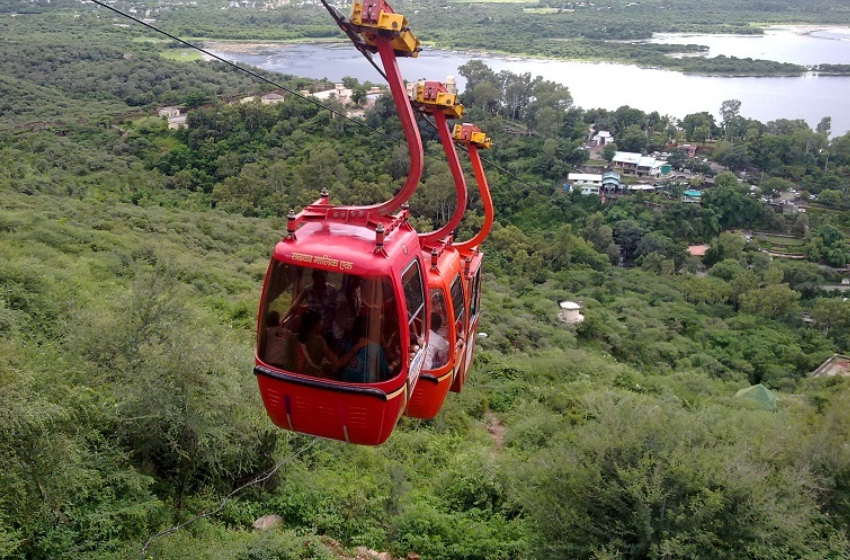
Aerial Elegance: The Cable Car Ride in Udaipur In a city celebrated for its lakes, palaces, and romantic vistas, Udaipur offers yet another exquisite perspective—one that unfolds gently...
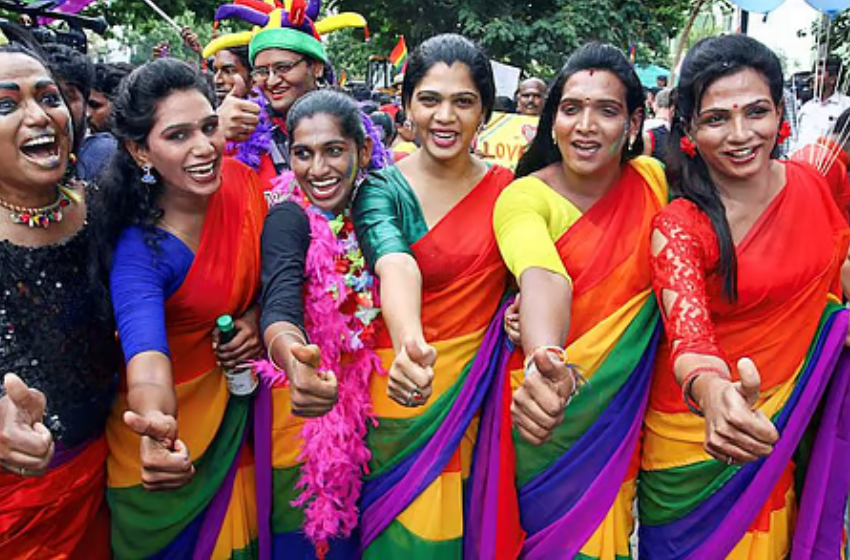
Spend a Day with the Hijra from LGBTQ+ Community in India: A Journey Beyond the Visible India’s cultural landscape is layered with stories that are rarely told in...

Attending an Indian Wedding: An Immersive Celebration of Culture, Color, and Connection For many travelers, visiting India is about discovering its grand palaces, vibrant markets, and diverse landscapes....
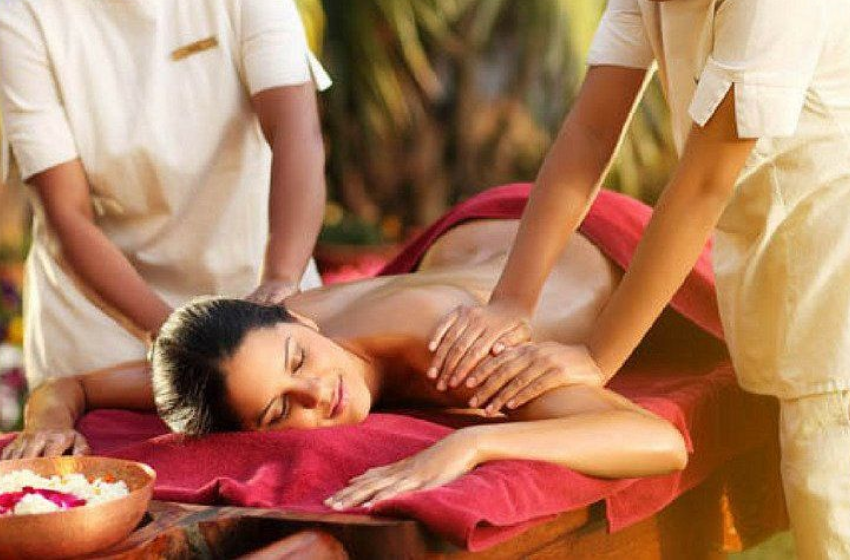
An Ayurvedic Massage Experience in Jaipur: A Journey into Timeless Wellness Amidst the regal palaces and vibrant bazaars of Jaipur lies a quieter, deeply restorative side of the...
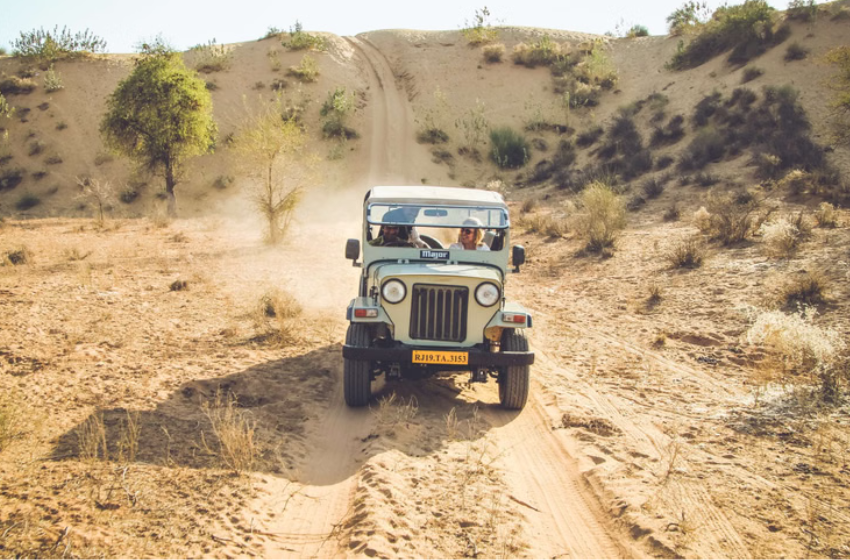
Jeep Safari in Rural Rajasthan: A Journey into Timeless Luxury: We consistently strive to make your journey both memorable and enriching by thoughtfully incorporating a variety of engaging...
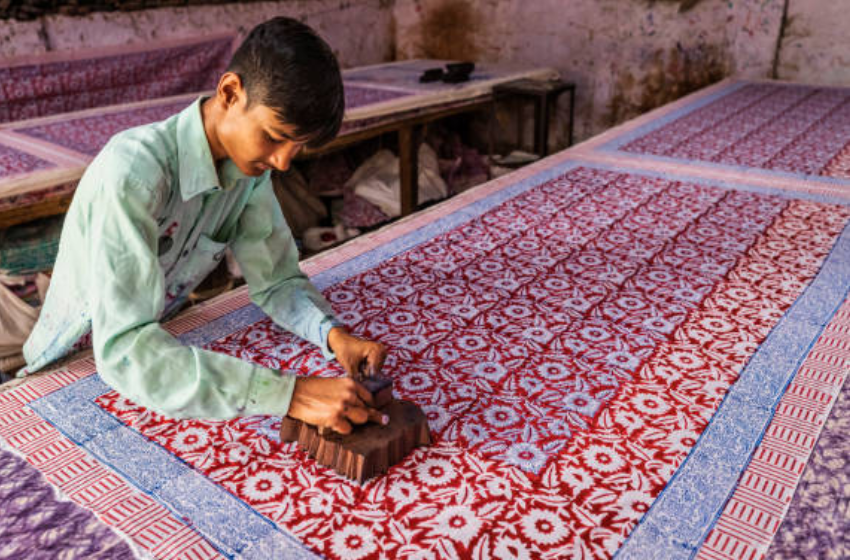
Hand block Print work shop: In Jaipur, where regal heritage and refined artistry coexist effortlessly, the world of hand block printing offers a deeply sophisticated cultural encounter—one that...
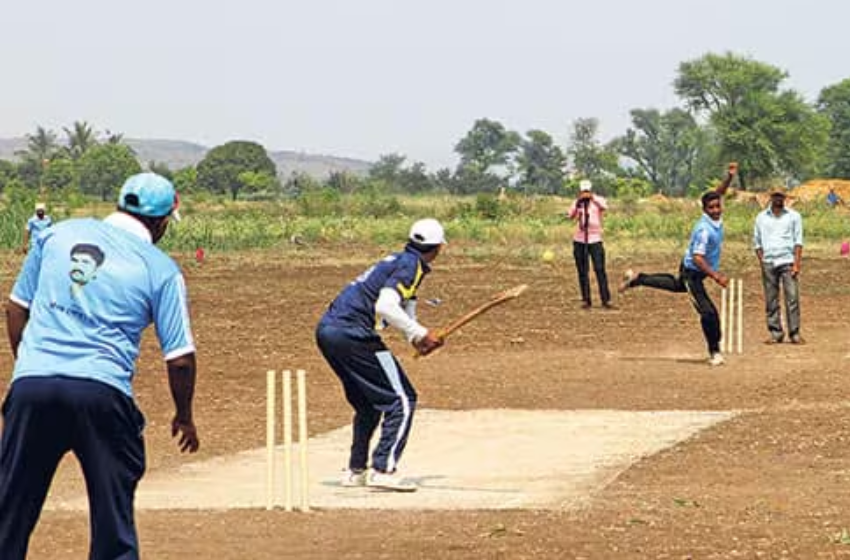
Cricket in the Countryside: An Unforgettable Afternoon in Rural Rajasthan In a land celebrated for its forts and palaces, some of the most memorable experiences are found far...
Every traveller is unique, and every journey should be equally distinctive. Share your travel aspirations with us, and our travel specialists will craft a bespoke itinerary tailored to your interests, preferences, and travel style. From private transportation and handpicked accommodations to authentic, immersive experiences, every detail will be thoughtfully curated for you. Your personalised travel proposal will be delivered within 24 hours.