10-Day Private India Tour Package – Cost, Hotels & Best Routes for First-Time Visitors
05 Sep 2026

Three weeks in India gives international travellers enough time to see more than a single tourist circuit without spending the entire holiday changing hotels and catching flights. A carefully structured 3-week private India tour can begin with Delhi and the Taj Mahal, continue through Rajasthan’s major royal cities, move to Mumbai and finish with a slower stay in Kerala. The result is a journey through several distinct parts of India rather than twenty-one days spent visiting similar monuments.
For luxury travellers, a longer itinerary needs more than expensive hotels. The route has to account for international flight fatigue, road distances, hotel check-in times, domestic connections and the physical demands of sightseeing. A schedule containing a new city every night may appear impressive on paper, but it usually becomes exhausting after the first week. Three-night stays in selected destinations, occasional free afternoons and sensible use of domestic flights make a 21-day private India tour considerably more comfortable.
A strong first-time route can combine Delhi, Agra, Jaipur, Jodhpur, Udaipur, Mumbai, Kochi and Kerala’s backwaters. Private chauffeur travel works extremely well through Delhi, Agra and Rajasthan, where the cities form a logical road sequence. Once the journey reaches Udaipur, flying to Mumbai is far more sensible than spending a very long day travelling overland. Another flight can then connect Mumbai with Kochi for the southern section.
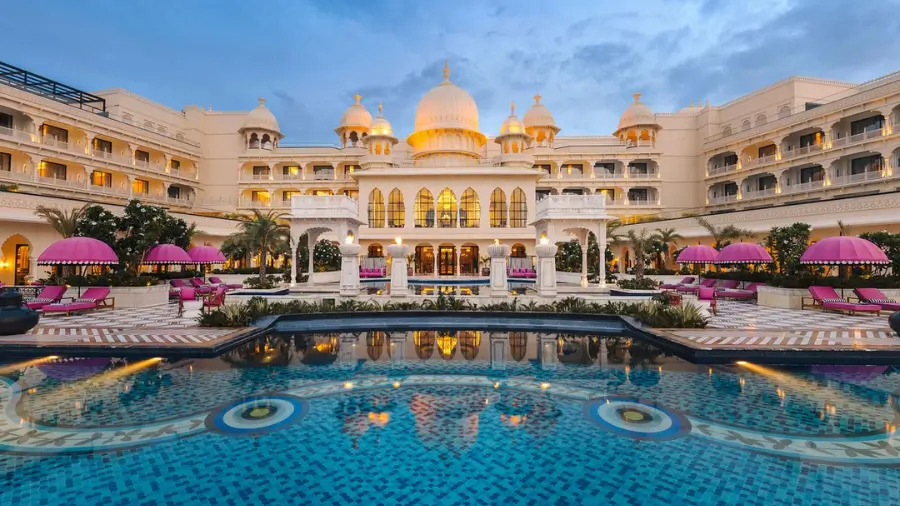
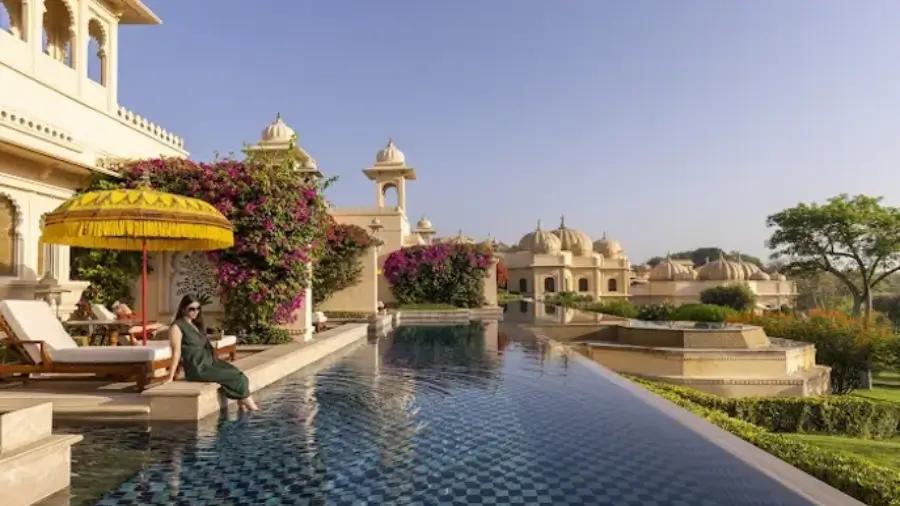
Accommodation can range from sophisticated five-star city hotels to Rajasthan palace properties and premium resorts in Kerala. Travellers can also choose landmark hotels in selected destinations without needing the most expensive suite every night. The combination of excellent accommodation, a dedicated chauffeur, specialist local guides and carefully chosen internal flights creates the level of continuity expected from a luxury private India tour.
The cost of twenty-one days in India varies substantially because nineteen or twenty hotel nights magnify every accommodation decision. A difference of several hundred dollars per room per night becomes a major change in the final package once it is multiplied across three weeks. Domestic flights, private guides, entrance charges and the level of chauffeur service add further variation.
For two travellers sharing one room, realistic package figures can be considered within the following ranges:
|
21-Day Private India Tour Style |
Approximate Cost for Two Travellers |
|---|---|
|
Luxury five-star hotels and private services |
$20,000–$26,000 |
|
Premium hotels with selected palace stays |
$25,000–$32,000 |
|
Leading palace hotels and luxury resorts |
$30,000–$40,000 |
|
Premium suites, upgraded vehicles and resorts |
$40,000–$55,000 |
|
Highly exclusive hotel and suite itinerary |
$55,000+ |
International flights are normally separate unless specifically included in the quotation. Domestic flights required within India can be incorporated into the package.
Accommodation provides the clearest example of how quickly the 21-day India tour cost can change. Twenty nights averaging $600 per night equal $12,000 in hotel expenditure. Increasing the average to $1,000 per night produces $20,000 in accommodation alone. A journey using premium suites averaging $1,500 per night reaches $30,000 before chauffeur transportation, private guides, domestic flights, sightseeing or activities have been added.
This does not mean that every night needs to cost four figures. Luxury travellers often get better value by concentrating their highest hotel spend in places where the property adds something exceptional. Jaipur and Udaipur are obvious candidates for palace-style stays, while Delhi and Mumbai have excellent modern luxury hotels. Kerala provides another opportunity to spend more on a resort where guests will actually have time to use the facilities.
A detailed quotation should therefore show the exact hotels and room categories. Two packages priced at $22,000 and $32,000 cannot be compared fairly until the accommodation, vehicle, flights and included services are examined.
Delhi makes a practical beginning because many long-haul international services arrive at Indira Gandhi International Airport. Travellers coming from North America, Britain, Europe or Australia may have spent a considerable amount of time in transit, so the arrival day should not be overloaded merely to claim an additional sightseeing day.
Three nights in Delhi can work extremely well at the beginning of a three-week journey. The first day is primarily for airport reception, hotel transfer and recovery. Travellers arriving in the morning may take a short afternoon outing if they feel comfortable, but the major historical visits can wait until the following day. Those arriving late in the evening can go directly to their hotel without having anything else scheduled.
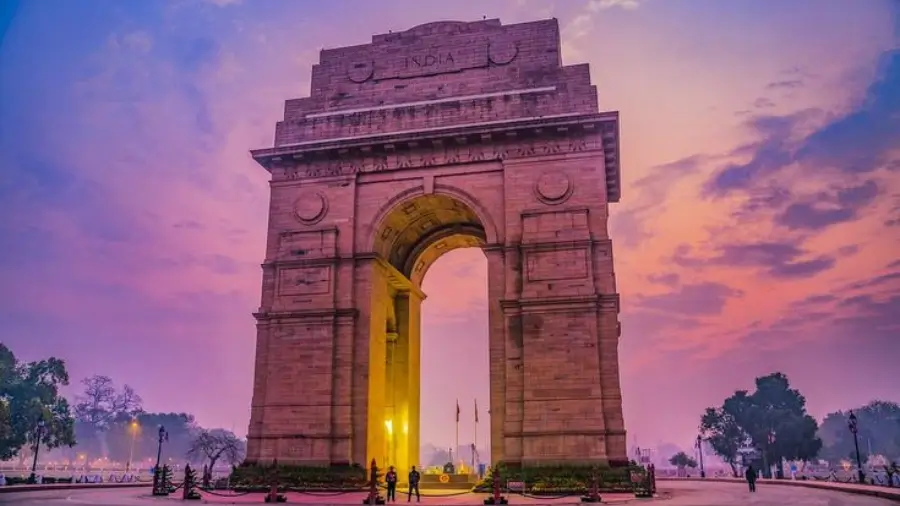
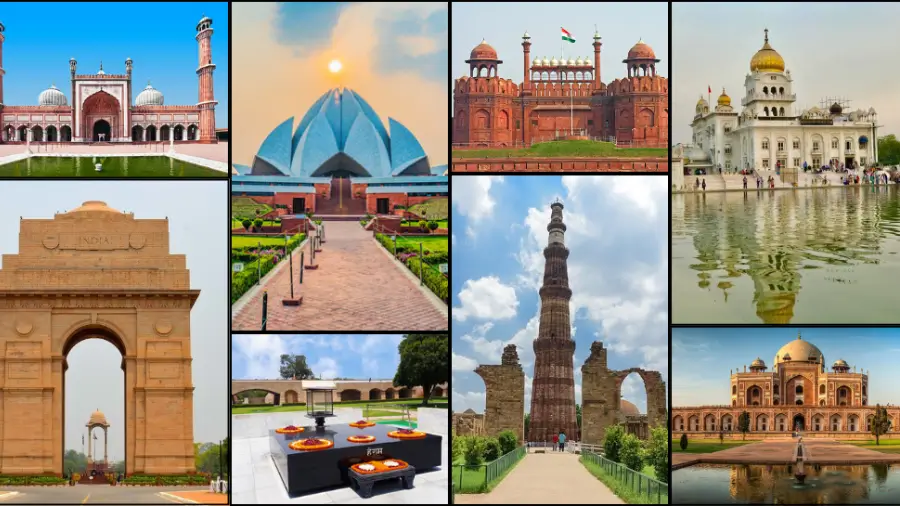
A full private sightseeing day can combine significant parts of Old and New Delhi. Humayun’s Tomb is particularly valuable before travelling to Agra because its Mughal architecture provides useful historical context for the Taj Mahal. Qutub Minar introduces an earlier architectural period, while the broad avenues and government district of New Delhi present a completely different side of the capital. Old Delhi can then provide the contrast of Jama Masjid, historic market areas and the surroundings of the Red Fort.
A second day does not need to repeat the same monument-heavy format. Travellers can focus on a particular interest, spend additional time in Old Delhi, visit selected museums, enjoy a slower lunch or leave part of the afternoon free. Luxury travel benefits from this flexibility. There is little value in paying for a high-quality Delhi hotel if every day begins before breakfast and ends after dark.
Luxury rooms in Delhi commonly fall around $400–$900+ per night, with premium suites costing substantially more. The exact location also matters because Delhi is geographically large and road traffic can influence daily sightseeing times.
The road journey from Delhi to Agra usually takes approximately three and a half to four and a half hours, depending on the departure point, traffic and comfort stops. Travelling by private chauffeur means guests can leave after breakfast, keep their luggage in the vehicle and arrive directly at their Agra hotel without station transfers.
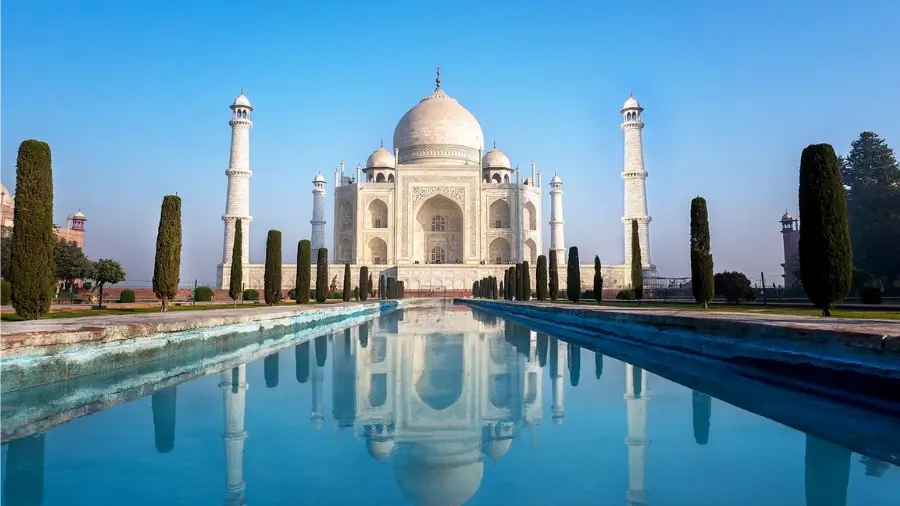
An overnight stay is far more suitable for a three-week itinerary than a hurried same-day Taj Mahal excursion. After checking into the hotel, travellers can visit Agra Fort during the afternoon with a private guide. The fort provides important historical context and deserves more than a quick photo stop. The evening can remain free, particularly when the hotel has a strong view or high-quality dining.
The Taj Mahal can then be visited around sunrise the following morning. It normally opens around sunrise and closes around sunset, while Friday is generally its weekly closure day for regular visitors. Exact opening arrangements should always be confirmed close to the travel date. International visitors can allow roughly $15–$20 per person for standard admission depending on the current official ticket category and access selected.
Sunrise works well because temperatures can be more comfortable and the visit is completed before the day’s road journey begins. After returning to the hotel, guests can have breakfast, check out and continue towards Jaipur without needing to rush from the monument directly into the car.
Premium Agra hotels can cost approximately $450–$1,100+ per night, particularly for desirable room categories and properties with strong Taj Mahal positioning. Higher suites can cost substantially more. On a luxury itinerary, the hotel should be chosen for both service quality and convenience rather than simply selecting the closest available property.
The drive from Agra to Jaipur generally requires around four and a half to five and a half hours. Travellers arriving in Jaipur after this journey should be allowed to check into the hotel and enjoy a relatively quiet evening instead of beginning a major sightseeing programme immediately.
Three nights gives Jaipur enough space in a private Rajasthan itinerary. The principal sightseeing day can start with Amber Fort, which lies outside the central city and deserves several hours. A private guide can explain the fort’s palace sections, courtyards and historical significance while the chauffeur remains responsible for transportation.
The afternoon can continue with City Palace and Jantar Mantar. Hawa Mahal is another essential landmark, although its famous façade is often the main focus for visitors. International travellers covering several major paid attractions should allow approximately $40–$70 per person in entrance costs, depending on the exact ticket categories and sites visited. Current official rates should be confirmed before travel.
The additional Jaipur day allows the trip to move beyond monuments. Travellers interested in textiles, jewellery or traditional craftsmanship can arrange carefully selected visits without sacrificing the historic sites. Others may prefer a free afternoon at their hotel, particularly when staying in a palace-style resort.
Luxury accommodation in Jaipur can range from approximately $500 to $1,500+ per night, while prestigious suites and special accommodation categories can cost several thousand dollars. A three-night stay makes that expenditure more worthwhile because the hotel becomes part of the destination rather than merely an overnight stop.
Jaipur to Jodhpur is a substantial road journey, generally taking around five and a half to six and a half hours. A dedicated chauffeur allows travellers to leave at a comfortable time after breakfast and stop when necessary along the route. Arriving during the afternoon and keeping the evening light works better than immediately adding several attractions.
Two nights in Jodhpur is suitable within a twenty-one-day journey. Mehrangarh Fort is the major historical attraction and can occupy a substantial part of the following morning. Its elevated position provides broad views across the city, while the interior contains palace rooms, collections and courtyards that deserve proper attention. Jaswant Thada can be combined with the fort before returning towards the old city.
Jodhpur also breaks the visual rhythm of Jaipur and Udaipur. Its old neighbourhoods, formidable fort and desert-edge setting make it feel distinctly different from Rajasthan’s other major cities. Travellers who simply visit Mehrangarh for an hour before continuing to another destination miss much of that contrast.
Hotel selection can also be significant. Luxury accommodation ranges from sophisticated heritage properties to one of India’s most famous palace hotels. Premium rooms can cost approximately $450–$1,000+ per night, while leading palace rooms and suites can reach $1,500–$3,000+ per night according to season and category.
A Jodhpur private tour with chauffeur also allows guests to stay outside the densest city areas without worrying about finding transportation each time they want to return to the fort or old city.
Moving directly from Jodhpur to Udaipur is possible, but including Ranakpur gives the road day far more purpose. The journey can occupy much of the day once sightseeing and lunch are included, so the schedule should be treated as a genuine travel-and-sightseeing day rather than promising an early arrival in Udaipur.
Ranakpur is known for remarkable temple architecture and sits naturally between the two destinations. Current visitor access times and restrictions should be checked before departure because entry arrangements can change. A private vehicle makes the stop straightforward: luggage remains in the car, guests visit the site and then continue towards Udaipur without needing to coordinate separate transportation.
The landscape also changes noticeably as the route moves through the Aravalli region. This makes the journey more interesting than a simple transfer and is one of the strongest arguments for using a private chauffeur in Rajasthan rather than flying between every major city.
Lunch can be arranged at an appropriate point on the route, followed by the onward drive to Udaipur. Guests should arrive with no major sightseeing scheduled that evening. Checking into the hotel, having dinner and enjoying the property is enough after a full road day.
The driver’s fuel, tolls, parking and routine expenses should be included within the transport component of a comprehensive private package. Travellers should not have to repeatedly handle small road charges during a premium multi-city journey.
Udaipur is one of the destinations where adding time improves the journey rather than merely extending it. Three nights allows travellers to see the city properly while also benefiting from its exceptional luxury hotels and lake setting.
City Palace should receive several hours. Its scale, architecture and position above Lake Pichola make it one of Rajasthan’s most significant palace complexes. A private guide can take guests through the most relevant sections without forcing them to move at the pace of a larger group. Jagdish Temple and selected parts of the historic centre can be included during the same outing.
A private boat ride on Lake Pichola can be arranged separately, subject to current operating conditions and availability. Evening timings can be particularly attractive, although the exact schedule changes through the year. Rather than filling the second day with another full list of attractions, travellers may prefer a later breakfast, spa appointment, short private outing or several hours at the hotel.
Premium accommodation is a major part of Udaipur’s appeal. Luxury rooms can cost approximately $600–$1,500+ per night, while exceptional lake-facing rooms and suites at leading properties can cost considerably more. Three nights at a high-end property can therefore represent a significant part of the package budget.
That cost makes pacing even more important. A luxury Udaipur tour should leave guests enough time to use the hotel rather than departing at dawn each morning and returning only to sleep.
Once the Rajasthan road section reaches Udaipur, continuing to Mumbai by car would consume too much time for most luxury travellers. A domestic flight is a much more efficient connection when an appropriate service is available.
Airport transfer, check-in and flight time still occupy part of the day, but the journey is substantially easier than a very long road transfer. Domestic schedules can change, so the flight should be confirmed before the surrounding hotel nights are finalised.
Two nights in Mumbai provide a useful contrast after Rajasthan. The city has a different architectural, cultural and commercial character, and a private sightseeing day can be arranged around the guests’ interests rather than using a generic city circuit.
South Mumbai’s historic architecture, the waterfront and selected neighbourhoods can be covered with a private guide and vehicle. Travellers may also want a high-quality restaurant reservation rather than another evening of formal sightseeing.
Luxury hotel rooms in Mumbai can commonly cost around $450–$1,000+ per night, while premium suites can move well beyond this range. Location matters because Mumbai traffic can make unnecessary cross-city journeys time-consuming.
The city also provides excellent flight connectivity for the next stage of the three-week India itinerary, making it a practical bridge between Rajasthan and Kerala.
After Delhi, Agra, Rajasthan and Mumbai, Kerala changes both the scenery and the daily rhythm. Tropical landscapes, waterways and coastal influences create a useful contrast to the forts and palaces of North India.
Kochi is a practical arrival point. Two nights give travellers time for a private city visit and enough room to settle into the southern section without immediately leaving for another destination. The historical areas around Fort Kochi can be visited with a local guide, while the evening can remain flexible.
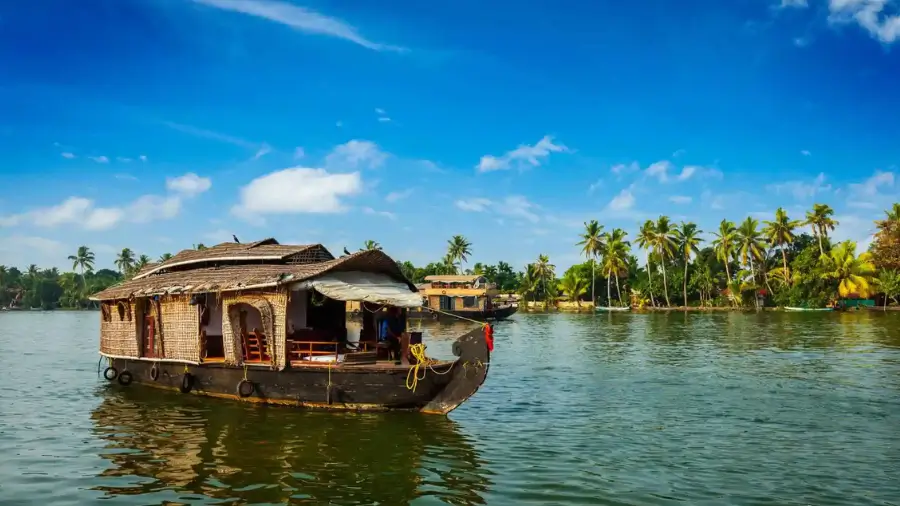
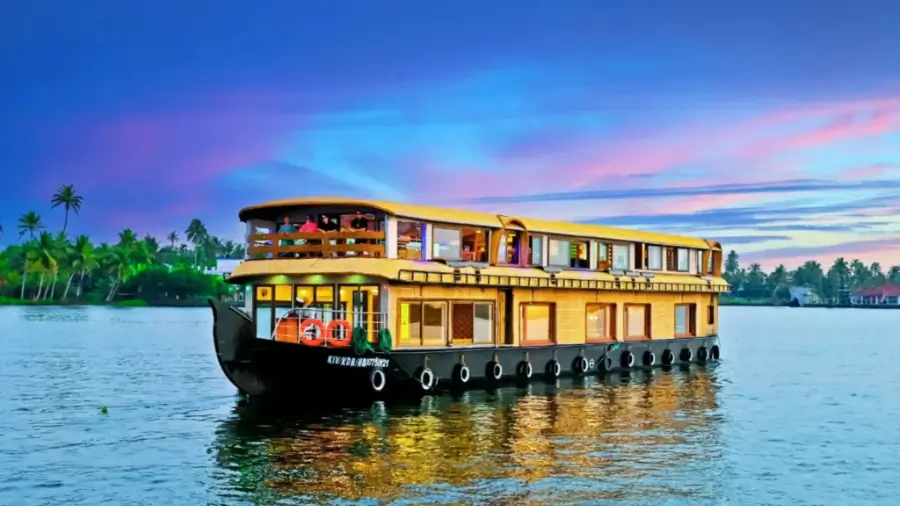
From Kochi, the private chauffeur can continue towards the backwaters. A high-quality private backwater experience can be arranged as a day cruise, overnight vessel or resort-based stay depending on the traveller’s preferences. Guests who prioritise luxury accommodation may prefer an excellent backwater resort with a private cruise rather than spending the night on a boat.
Premium Kerala resorts can cost approximately $400–$1,200+ per night, with villas and special categories costing more. The exact rate depends heavily on location, property and season.
The final three or four nights can be used for a resort stay rather than another intensive sightseeing circuit. A three-week holiday benefits from ending with slower days, especially before a long international flight home.
A private Kerala tour with chauffeur can handle the regional transfers while allowing travellers to decide how much sightseeing they actually want after two busy weeks elsewhere in India.
What a 21-Day Day-by-Day Route Can Look Like
A practical three-week route can begin with three nights in Delhi, followed by one night in Agra. Jaipur then receives three nights, Jodhpur two nights and Udaipur three nights. This provides a substantial North India and Rajasthan section without turning every destination into a one-night stop.
After Udaipur, a domestic flight can take guests to Mumbai for two nights. Another flight then continues to Kochi for two nights. The remaining nights can be divided between Kerala’s backwaters and a carefully selected luxury resort before the final airport transfer.
The exact number of nights should be adjusted around international flight timings. If the departure flight leaves early in the morning, the final night should be positioned close enough to the relevant gateway to avoid a stressful long-distance transfer on departure day.
Travellers interested in wildlife can modify the route by adding Ranthambore and reducing time elsewhere. Those who consider Varanasi essential can include a flight-based extension, although another destination may need to be removed to preserve the pace.
The important point is that a 21-day India itinerary for first-time visitors should not be treated as an opportunity to include every famous city. India is too large for that approach. A coherent route with eight carefully selected stops provides far more depth than fifteen destinations visited for one night each.
What Should Be Included in a 21-Day Private Package?
A three-week package should provide considerably more detail than a short hotel-and-transfer quotation. With multiple road sectors, flights and hotels involved, every major service needs to be identifiable before payment.
Private airport reception and all agreed airport transfers should be listed. The chauffeur-driven vehicle used through the road portion should be specified by category, and routine costs such as fuel, tolls, parking and driver expenses should be accounted for.
Every hotel should be named. Room categories are particularly important because the difference between entry-level rooms and premium suites can amount to thousands of dollars over a three-week journey. Breakfast is commonly included, while lunches and dinners can remain flexible unless selected meals form part of the package.
Private guides should be identified by destination. Delhi, Agra, Jaipur, Jodhpur, Udaipur, Mumbai and Kochi can each benefit from specialist local guiding depending on the sightseeing included.
Domestic flights should be listed by route. Baggage allowances also deserve attention because travellers arriving from long-haul international flights may carry more luggage than a domestic fare automatically permits.
Major activities such as boat rides, wildlife safaris or special dining arrangements should be clearly shown as included or excluded. The same applies to monument tickets.
A detailed private India tour package allows travellers to see exactly where the cost is going and reduces unexpected expenses once the journey has started.
Private Chauffeur Travel Versus Flying Within India
One of the most important decisions on a three-week journey is knowing when to drive and when to fly. Using a chauffeur for every kilometre may sound convenient, but India’s size makes that approach inefficient.
Road travel is ideal for Delhi to Agra, Agra to Jaipur, Jaipur to Jodhpur and Jodhpur to Udaipur. These sectors connect naturally and offer useful stops along the way. A dedicated vehicle also keeps luggage handling simple and provides flexibility around departure times.
Flying becomes more sensible once the route jumps between distant regions. Udaipur to Mumbai is an obvious example. Mumbai to Kochi is another. Spending ten or more hours on an unnecessary road journey merely to avoid an airport is not a luxury use of holiday time.
For two travellers, a premium MPV works particularly well for the North India road section. It provides generous luggage capacity and comfortable seating. Travellers wanting a luxury SUV or executive vehicle can request an upgrade.
Domestic flights can be booked in a suitable fare category with additional baggage where required. Business-class cabins exist on some Indian domestic services, but product quality and availability vary by route and aircraft.
The best private tour of India with driver therefore uses chauffeur transportation where it improves the journey and flights where they genuinely save a day.
How Hotel Selection Changes a Three-Week Tour
Hotel selection should be treated strategically across twenty nights. Spending heavily in every city is possible, but it is not always the best way to create a memorable luxury journey.
Delhi and Mumbai are strong locations for sophisticated city hotels. Agra is a place where proximity or a desirable Taj Mahal view can justify paying more. Jaipur and Udaipur are natural choices for landmark palace-style properties. Jodhpur can provide another exceptional heritage stay, while Kerala is ideal for allocating more money to a resort where guests have leisure time.
Suppose a couple chooses twenty nights averaging $650. Accommodation totals $13,000. At $1,000 per night, the total becomes $20,000. At $1,500 per night, accommodation alone reaches $30,000.
This is before the private vehicle, guides, domestic flights, airport transfers, admissions and activities are considered.
Travellers should therefore look carefully at room categories rather than simply hotel names. A base room at a prestigious property and a premium suite at the same hotel can provide very different experiences and prices.
A balanced luxury India holiday package might include two or three exceptional hotel splurges, several excellent five-star stays and a premium resort finish. This can feel more varied than using similar room categories throughout the trip.
Booking a Three-Week Private India Journey
A twenty-one-day trip should be arranged around the international flights first. Arrival city, departure city and exact arrival times determine whether the first and final days can be used meaningfully.
The next decision is the route. First-time travellers interested in history, Rajasthan and a contrasting southern region can use Delhi, Agra, Jaipur, Jodhpur, Udaipur, Mumbai and Kerala as the core structure. Additional destinations should only be added when they genuinely improve the holiday.
Hotel preferences then shape the cost. Travellers should state whether they want internationally recognised five-star hotels, palace properties, premium suites or a mixture. The quotation can then reflect actual expectations instead of using vague terms such as “luxury accommodation.”
Private guide requirements, domestic flights and special activities can be added after the route and hotels are established. Cancellation terms should be reviewed carefully because a three-week luxury trip can involve substantial prepaid hotel and flight costs.
India Personal Tours can coordinate the complete private ground itinerary, including chauffeur-driven road travel, luxury hotels, local guides, airport transfers and domestic connections. The company name does not need to appear throughout the holiday itself; what matters to the traveller is that each service connects properly with the next.
For three weeks in India, good logistics are almost invisible. The chauffeur is ready when the hotel check-out is complete, the guide meets guests at the correct time, domestic flights connect logically with hotel nights and no one is forced into an unnecessary twelve-hour road transfer. That continuity is what allows travellers to concentrate on the country rather than repeatedly organising the next stage of the journey.
Every traveller is unique, and every journey should be equally distinctive. Share your travel aspirations with us, and our travel specialists will craft a bespoke itinerary tailored to your interests, preferences, and travel style. From private transportation and handpicked accommodations to authentic, immersive experiences, every detail will be thoughtfully curated for you. Your personalised travel proposal will be delivered within 24 hours.
Find answers to the most common questions about our tours, booking process, private drivers, accommodations, and travel services.
A 21-day private India tour for two travellers using luxury five-star hotels can cost approximately $20,000–$30,000. A journey with leading palace hotels, premium suites and luxury resorts can cost $30,000–$50,000 or considerably more depending on accommodation.
Yes. Twenty-one days gives enough time to combine a substantial North India and Rajasthan route with Mumbai and Kerala, provided domestic flights are used for the longer regional connections rather than attempting to drive across the country.
Delhi, Agra, Jaipur, Jodhpur, Udaipur, Mumbai, Kochi and Kerala’s backwaters create a balanced first journey. The route combines major historic destinations with Rajasthan and a slower southern section without requiring constant one-night stops.
Around eight to eleven nights works well when Jaipur, Jodhpur and Udaipur form the main Rajasthan section. Travellers adding Ranthambore or another Rajasthan destination should allocate additional nights rather than compressing the existing cities.
A chauffeur is ideal for connected road sectors such as Delhi, Agra and Rajasthan. Domestic flights are more practical for long-distance sectors such as Udaipur to Mumbai and Mumbai to Kerala. A new private vehicle can then be used for the southern section.
Hotel choice can change a three-week package by tens of thousands of dollars. Twenty nights averaging $600 cost $12,000, while the same twenty nights averaging $1,500 cost $30,000 before transportation and sightseeing.
Yes. Two or three nights can be added for Ranthambore, with safari permits arranged in advance. To keep the overall journey comfortable, another destination or hotel night may need to be removed if the total trip length remains fixed at twenty-one days.
Varanasi can be included using domestic flights, but adding both Varanasi and Ranthambore to an already broad three-week route may create too many transfers. It is better to select the destination that matches the traveller’s interests most strongly.
They can be included. A detailed quotation should identify the flight sectors and applicable baggage arrangements. International flights are normally separate unless specifically requested as part of the package.
Yes. India Personal Tours can arrange the private ground journey before arrival, including luxury accommodation, chauffeur services, private local guides, airport transfers and domestic travel required by the confirmed itinerary.