Private South India Tour Package – Cost, Chauffeur & Luxury Hotel Guide
06 Sep 2026

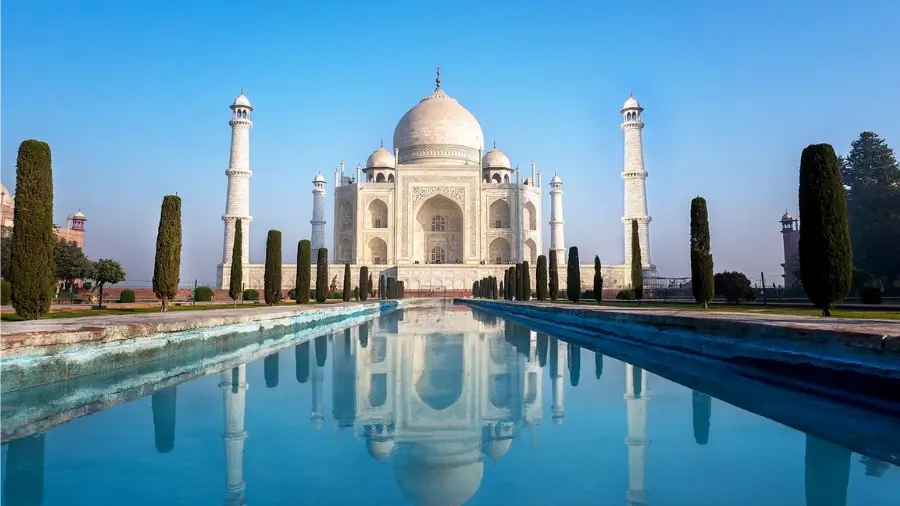
A private Delhi Agra Jaipur tour from Delhi Airport is one of the most comfortable ways for international travellers to visit India’s Golden Triangle. The journey combines Delhi’s historic landmarks, the Taj Mahal and Mughal architecture of Agra, and Jaipur’s forts and royal palaces in a route that works particularly well with a dedicated chauffeur, private guides and carefully selected luxury hotels.
For travellers arriving after a long-haul flight, having the entire journey arranged from Delhi International Airport removes much of the work normally associated with a multi-city India holiday. There is no need to find taxis after landing, manage separate intercity transfers, coordinate local guides independently or move luggage through railway stations. A representative can receive guests at the airport, a private chauffeur can handle the road journey, and accommodation can be confirmed before arrival.
A well-paced private Golden Triangle tour generally needs six to eight days. It can be completed faster, but travellers staying in premium hotels often prefer enough time to enjoy the properties as well as the monuments. Delhi requires time for both Old and New Delhi, Agra deserves an overnight stay rather than a hurried Taj Mahal visit, and Jaipur works best with at least two nights.
This route is particularly suitable for couples, families and private groups who value personal service and flexibility. Sightseeing times can be adjusted around the season, hotel location and individual interests. An early morning can be used for the Taj Mahal, while a later start can work in Jaipur after a full previous day on the road.
India Personal Tours can arrange the complete journey from Delhi Airport with a private chauffeur, luxury accommodation, local guides and city-to-city transportation built around the traveller’s international flight schedule.
The price of a Delhi Agra Jaipur private tour depends heavily on the hotels selected, room category, vehicle, duration and sightseeing arrangements. For travellers staying in quality five-star and luxury properties, the cost should reflect the standard of accommodation and private service throughout the route.
A realistic package range for two travellers can look like this:
|
Private Tour Duration |
Typical Package Cost for Two Travellers |
|---|---|
|
4 nights / 5 days |
$4,000–$5,500 |
|
5 nights / 6 days |
$4,800–$6,500 |
|
6 nights / 7 days |
$5,800–$8,000 |
|
7 nights / 8 days |
$6,800–$9,500 |
|
8 nights / 9 days |
$7,800–$11,000 |
|
Palace and luxury hotel itinerary |
$10,000–$16,000+ |
These are useful package estimates rather than fixed selling prices. International airfare is normally separate. The final amount depends on the exact travel dates, hotel names, room categories and services included.
Accommodation usually creates the largest variation. A luxury hotel room in Delhi may cost $350–$700 or more per night, while suites can cost substantially more. In Agra, premium hotels with attractive Taj Mahal positioning command stronger rates than standard city hotels. Jaipur offers several high-end palace and resort properties where a single night can easily run from several hundred dollars into four figures.
A couple staying in carefully selected luxury hotels with a private chauffeur and guides should therefore expect a very different quotation from travellers using standard accommodation.
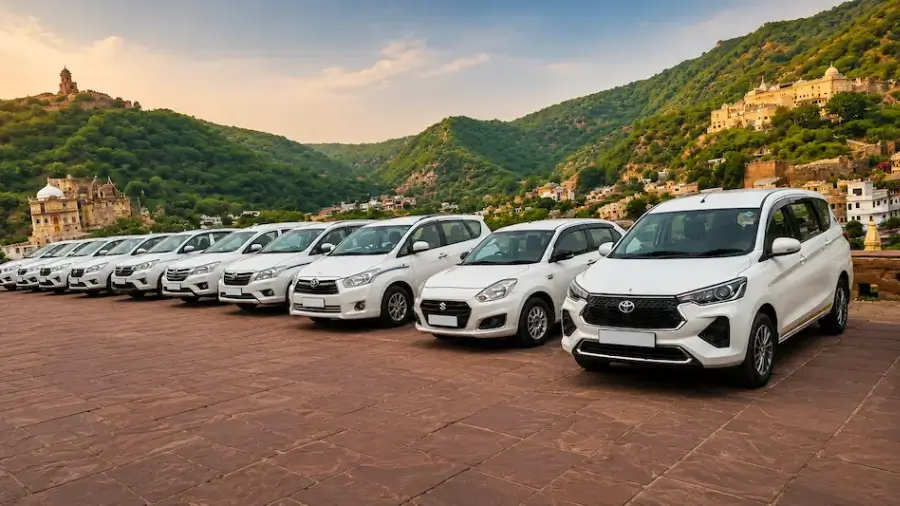
Vehicle selection also affects the total. A premium MPV offers excellent space for two travellers with luggage and works well for the Golden Triangle roads. Luxury sedans and SUVs can be arranged when the vehicle itself is an important part of the travel standard.
A complete luxury Golden Triangle tour package can also include airport assistance, private sightseeing guides, monument admissions, selected dining arrangements and special activities. These services should be examined alongside the hotel standard when comparing quotations.
Indira Gandhi International Airport is the principal arrival point for many visitors travelling from the UK, United States, Canada, Europe and Australia. The first few hours after landing can influence the entire start of the holiday, particularly after a long overnight or connecting flight.
A properly arranged Delhi Airport private tour package begins with arrival coordination. Flight details are recorded before travel so the airport pickup can be scheduled around the expected landing time. After immigration, baggage collection and customs, guests meet the representative or chauffeur and continue directly to the hotel in a private air-conditioned vehicle.
Delhi Airport to central New Delhi can take approximately 30 to 60 minutes in lighter traffic, although busy periods can increase the journey considerably. Travellers staying farther from the airport should allow additional time.
International arrivals after 9:00 or 10:00 pm should generally have no sightseeing scheduled that evening. The useful priority is reaching the hotel comfortably, checking in and resting.
Morning arrivals provide more flexibility. Travellers may have lunch and start with a light afternoon sightseeing programme, although a full schedule immediately after a long-haul flight is rarely necessary.
A quality private itinerary also takes hotel check-in times into account. Standard check-in at many hotels is around 2:00 pm or 3:00 pm. When a flight lands early in the morning, guaranteed early access to the room may require booking the previous night or arranging an early check-in with the hotel.
This is a small detail, but it matters to travellers arriving after a ten- or twelve-hour journey. Waiting in a hotel lobby until afternoon is not an ideal beginning to a luxury India holiday.
Delhi should not be treated merely as the airport attached to a Golden Triangle trip. The city provides essential historical context before visitors continue to Agra and Jaipur.
Two nights in Delhi works well when arrival time permits, while three nights can be worthwhile after a very late international arrival.
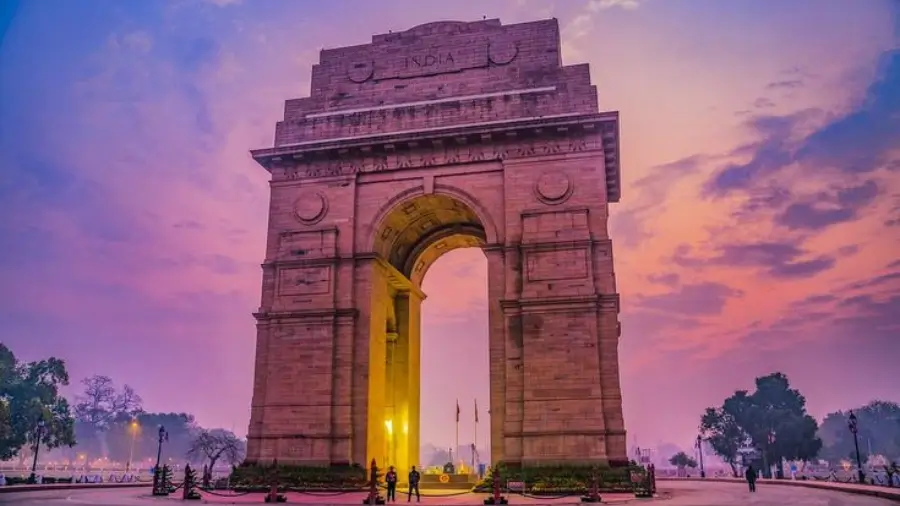
A private sightseeing day can cover a carefully selected combination of Old Delhi and New Delhi. Humayun’s Tomb is particularly significant because its Mughal architecture provides useful context before visiting the Taj Mahal. Qutub Minar represents an earlier architectural period and remains one of the capital’s most recognisable monuments.
Old Delhi presents another side of the city. Jama Masjid, the Red Fort area and the historic lanes around Chandni Chowk provide a sharp contrast to the broad avenues and government buildings of New Delhi.
A private Delhi tour with chauffeur and guide is valuable because these attractions are spread across a large metropolitan area. The vehicle remains available while a local guide handles historical interpretation and the practical flow of the sightseeing day.
Traffic should be treated realistically. Trying to visit every major Delhi monument in one day can result in more time being spent in the vehicle than at the attractions. A private itinerary is stronger when it prioritises important places rather than filling the schedule with stops simply to make the programme look longer.
Travellers interested in food, architecture, photography or shopping can also have the Delhi day shaped around those preferences.
For guests staying at premium hotels, leaving a free evening for the hotel, spa or a quality dinner can make the start of the trip more comfortable.
The road journey between Delhi and Agra is relatively straightforward, making a chauffeur-driven vehicle a practical option.
Most travellers should allow around three and a half to four and a half hours from Delhi to Agra. The exact duration depends on the hotel location, traffic when leaving Delhi and the number of stops.
Leaving after breakfast allows guests to arrive in Agra around lunchtime. After hotel check-in and a short break, the afternoon can be used for Agra Fort or another selected attraction.
The chauffeur handles the luggage throughout the road transfer. This is one of the major advantages of a Delhi Agra Jaipur tour with private driver. Guests do not need to transfer suitcases to a station, wait for a train, locate transportation after arrival and repeat the same process again in Jaipur.
For two travellers carrying full-size international luggage, a premium MPV is usually particularly practical. The larger cabin and luggage capacity make the longer road sectors more comfortable.
The private-car arrangement should include routine transportation expenses such as fuel, highway tolls, parking and chauffeur allowances unless otherwise stated in the quotation.
A chauffeur and sightseeing guide should not be treated as interchangeable services. The driver is responsible for transportation throughout the route, while professional local guides can join guests in Delhi, Agra and Jaipur for detailed sightseeing.
One of the biggest differences between a comfortable private Golden Triangle itinerary and a rushed excursion is the way Agra is handled.
It is possible to leave Delhi early, visit the Taj Mahal and continue onward, but an overnight stay creates a much better schedule. Guests can check into a luxury hotel, visit Agra Fort during the afternoon and reserve the Taj Mahal for early the following morning.
This removes pressure from the day and provides flexibility if road conditions or traffic cause delays.
Luxury accommodation is also an important part of an Agra stay. Premium properties near the Taj Mahal can offer attractive views and convenient access. Depending on the property, room type and travel dates, travellers may spend approximately $400–$1,000+ per night, with suites and exceptional room categories costing more.
A strong private Agra tour should also allow enough time for Agra Fort. The fort is not simply an additional monument to fill the afternoon; it is closely connected with the Mughal rulers associated with the Taj Mahal and adds important context to the visit.
Guests with more time can consider other Mughal sites, but the schedule should remain comfortable rather than forcing several monuments into a few hours.
For many international visitors, the Taj Mahal is the single most anticipated part of the Delhi Agra Jaipur private tour. The visit should therefore be arranged around suitable timings rather than squeezed between road transfers.
The Taj Mahal generally opens around sunrise and closes around sunset. It is normally closed to general visitors on Fridays. Exact opening arrangements can vary with the season, and official timings should be reconfirmed close to the travel date.
For a sunrise visit, guests usually leave the hotel before sunrise so they can complete the security and entrance process close to opening time.
The benefit of an early visit is not only photography. Temperatures can be more comfortable, particularly during warmer months, and guests still have most of the day available after returning to the hotel for breakfast.
International visitors should allow approximately $15–$20 per person for standard Taj Mahal admission, depending on the ticket category and current official charges. Additional access options can carry separate charges. Since government entrance fees can be revised, the confirmed ticket amount should be checked before travel.
A private guide can accompany guests through the entry process and provide historical and architectural context inside the complex.
Visitors should also follow the security restrictions carefully. Large bags and unnecessary items can slow entry, so carrying only essential personal belongings is generally more convenient.
Rather than allocating an hour and immediately leaving for Jaipur, a private schedule can give travellers enough time to appreciate the monument without constantly watching the clock.
After the Taj Mahal and breakfast, the journey can continue towards Jaipur. The drive generally takes around four and a half to five and a half hours, depending on traffic, stops and the final hotel location.
Travellers who want a slower day can leave Agra later and arrive in Jaipur towards the evening. Others may include an appropriate stop on the route.
The main advantage of a private Agra to Jaipur car transfer is control over departure time. If the Taj Mahal visit takes longer than expected, there is no train departure creating pressure. Guests can return to the hotel, have breakfast, collect their luggage and leave when ready.
Comfort stops can also be taken when required. On a multi-hour road journey, this flexibility is more important than it may appear when looking at the itinerary before travelling.
The arrival day in Jaipur should not be overloaded with major sightseeing. Checking into the hotel and keeping the evening relaxed usually creates a better transition into the Rajasthan section of the trip.
Travellers staying at a palace hotel may particularly appreciate arriving with enough time to enjoy the property rather than treating it simply as somewhere to sleep.
Jaipur normally deserves at least two full nights, and three nights can work very well for travellers who prefer a slower luxury itinerary.
Amber Fort is usually one of the principal sightseeing visits. The fort sits outside the central city and contains a series of courtyards, gateways and palace sections. A private guide can provide historical context while the chauffeur handles transportation from the hotel and between subsequent attractions.
City Palace and Jantar Mantar can be paired conveniently because of their central locations. Hawa Mahal is another essential Jaipur landmark and one of the most photographed buildings in Rajasthan.
International visitors visiting several major Jaipur attractions should allow approximately $40–$70 per person for entrance charges across a full sightseeing programme, depending on the monuments and ticket categories selected. Current official rates should be confirmed before the visit.
A private Jaipur sightseeing tour does not need to end when the monuments close. Travellers may want time for textiles, jewellery, crafts or specialist shopping, although shopping stops should match the guest’s interests rather than being inserted automatically.
Jaipur also offers excellent dining and luxury accommodation. A second or third evening can therefore be kept relatively open.
During hotter months, sightseeing can be arranged around the strongest afternoon temperatures. Early visits to outdoor monuments followed by a hotel break can make the day considerably more comfortable.
The Golden Triangle contains some of India’s strongest luxury accommodation, and hotel selection should be treated as a central part of the itinerary rather than an afterthought.
In Delhi, established luxury hotels can provide excellent service, spacious rooms, high-quality restaurants and convenient access to central sightseeing. Depending on dates and room category, premium rooms can commonly fall between $350 and $750+ per night, while suites can move substantially higher.
Agra has a smaller luxury hotel market, but the best properties can provide impressive Taj Mahal positioning. Premium rooms may cost $400–$1,000+ per night, depending on season and category.
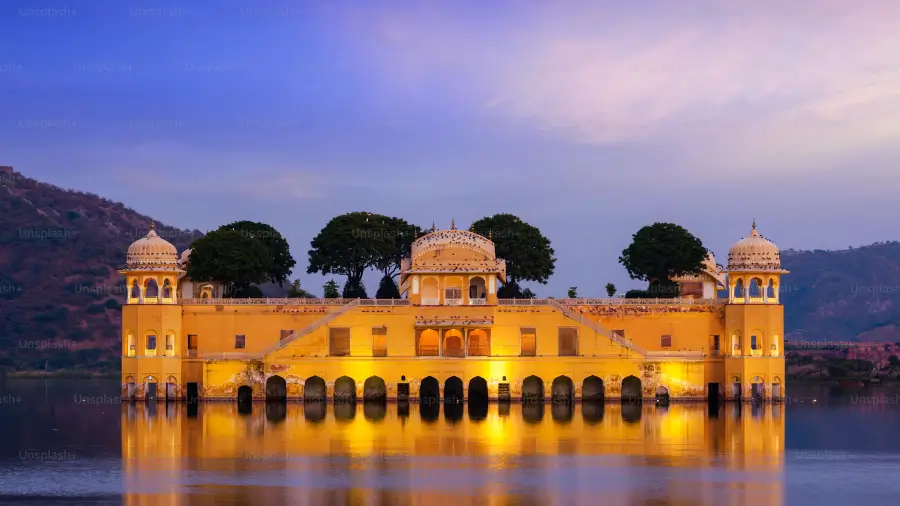
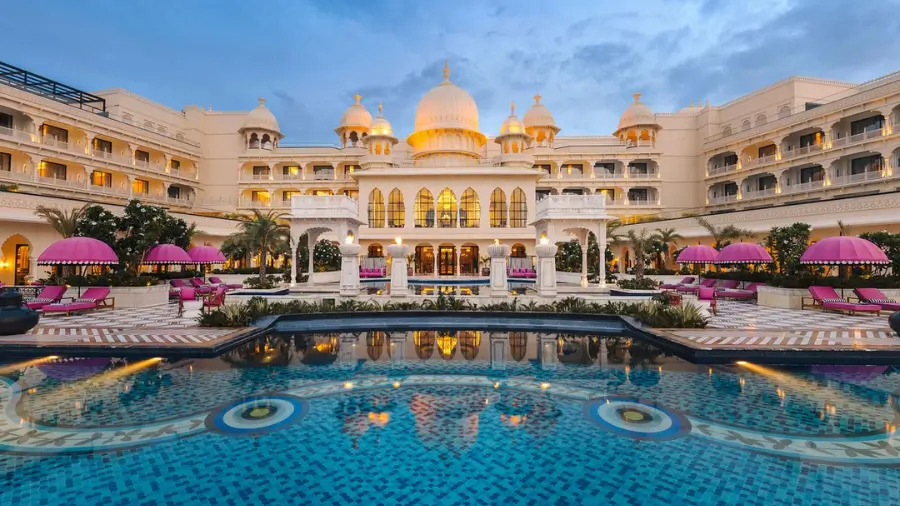
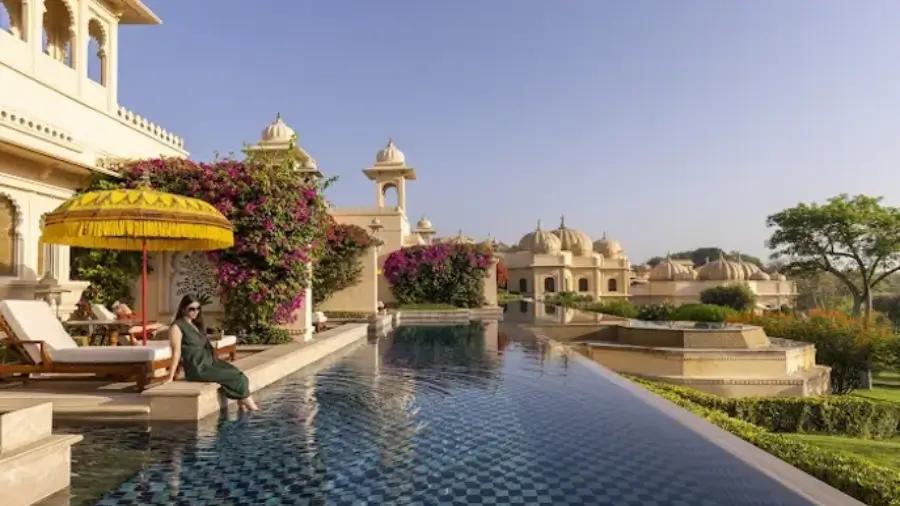
Jaipur is where palace-style accommodation becomes particularly important. Luxury properties can range from approximately $450 per night to $1,500+, while top suites and exceptional palace categories can cost several thousand dollars per night.
Travellers should look beyond the star rating. Hotel location, room category, service style and property character matter just as much.
A luxury Golden Triangle tour might therefore combine a sophisticated city hotel in Delhi, a Taj-facing luxury property in Agra and a palace hotel in Jaipur rather than using the same hotel style in every destination.
This also explains why quotations for seemingly identical seven-day itineraries can differ by several thousand dollars. Accommodation quality can completely alter the value and character of the trip.
Seven days works particularly well for travellers who want the main Golden Triangle sights without turning every day into a race.
The first day can be dedicated to arrival at Delhi Airport, private transfer and hotel check-in. Travellers arriving early can add light sightseeing, while evening arrivals can simply rest.
The following day can be used for a full private Delhi sightseeing programme. A second Delhi night means guests do not have to pack immediately after arriving in India.
The next morning, the chauffeur can drive to Agra. After check-in, guests can visit Agra Fort and return to their luxury hotel for the evening.
The following morning can begin with the Taj Mahal at sunrise. After breakfast and check-out, the journey continues to Jaipur.
Two full nights in Jaipur allow Amber Fort, City Palace, Jantar Mantar, Hawa Mahal and selected additional interests to be handled without squeezing everything into one afternoon.
The final section can return to Delhi by road, followed by a final Delhi night before the international flight. Depending on flight timings, the route can also finish in Jaipur with an onward domestic flight.
This schedule keeps the private Golden Triangle itinerary practical while giving each destination enough attention.
Travellers with eight or nine days can slow the pace further or add a carefully selected extension rather than filling the additional days with unnecessary sightseeing.
Before confirming a private Delhi Agra Jaipur tour package, travellers should receive a detailed list of services rather than only a total price.
Private airport reception and transfer should be stated. The vehicle category should also be identified, particularly for travellers paying for premium transportation.
The chauffeur-driven vehicle can cover Delhi sightseeing, Delhi to Agra, Agra to Jaipur and the agreed final transfer. Fuel, tolls, parking and driver expenses should normally be incorporated into the transportation cost.
Hotel accommodation should list exact properties and room categories. Daily breakfast is commonly included, while lunches and dinners depend on the package.
Private licensed guides can be included for sightseeing in Delhi, Agra and Jaipur. Monument admission can either be prepaid within the package or listed separately.
A luxury package may additionally include airport assistance, selected restaurant arrangements, private activities, upgraded rooms or suites and other services requested by the traveller.
International airfare, visa charges, travel insurance, gratuities and personal purchases are commonly separate unless explicitly included.
The important point is transparency. Travellers should know what their package price purchases before paying the deposit.
A private Golden Triangle journey works best when the itinerary is built around actual international flight times and hotel preferences rather than forcing travellers into predetermined arrival and departure patterns.
Before requesting a quotation, travellers can provide India Personal Tours with the number of guests, arrival and departure flight details, preferred duration, hotel expectations, room requirements and any specific interests.
Couples may prefer a luxury king room and slower sightseeing days. Families may need adjoining rooms, a larger vehicle and more flexible meal timings. Older travellers may prefer fewer hotel changes and shorter sightseeing sessions. These details can materially change the ideal itinerary.
Once the route is agreed, the quotation should identify the hotels, vehicle, guide services, included activities and payment conditions.
Travellers should also check cancellation terms carefully when expensive palace hotels or premium suites are involved. Luxury properties can have stricter cancellation policies, particularly during busy travel periods.
India Personal Tours specialises in private arrangements, allowing Delhi, Agra and Jaipur to be combined with a dedicated chauffeur and individually selected accommodation. The same journey can also continue farther into Rajasthan when travellers have additional time.
A Golden Triangle trip may be relatively short geographically compared with a large multi-region India holiday, but the quality of its logistics still matters. Reliable airport reception, a comfortable vehicle, sensible road timings, experienced local guides and well-located luxury hotels can turn three famous cities into a coherent private journey rather than a series of disconnected bookings.
Every traveller is unique, and every journey should be equally distinctive. Share your travel aspirations with us, and our travel specialists will craft a bespoke itinerary tailored to your interests, preferences, and travel style. From private transportation and handpicked accommodations to authentic, immersive experiences, every detail will be thoughtfully curated for you. Your personalised travel proposal will be delivered within 24 hours.
Find answers to the most common questions about our tours, booking process, private drivers, accommodations, and travel services.
A six- or seven-day private Delhi Agra Jaipur tour for two travellers staying in quality luxury hotels can reasonably cost around $5,000–$8,000. Palace hotels, premium suites and luxury vehicles can take the package above $10,000.
Yes. India Personal Tours can arrange private airport reception and chauffeur transfer from Delhi International Airport to the hotel, with the wider Golden Triangle journey beginning from the arrival point.
Six days can work well, although seven days gives travellers a more comfortable schedule. Guests arriving late at night should avoid counting the arrival day as a usable sightseeing day.
The private road journey generally requires around three and a half to four and a half hours. Delhi traffic, hotel location and comfort stops can affect the total duration.
The Agra-to-Jaipur road journey normally takes approximately four and a half to five and a half hours. A private chauffeur allows guests to stop when necessary and choose a suitable departure time.
Yes. An overnight stay is particularly worthwhile for luxury travellers because it allows Agra Fort to be visited on one afternoon and the Taj Mahal around sunrise the following morning without rushing from Delhi to Jaipur in a single day.
Travellers should allow roughly $15–$20 per person for standard foreign visitor admission, depending on the current ticket category. Government entrance rates can change, so the confirmed charge should be checked for the actual travel date.
Yes. The route can include luxury hotels in Delhi and Agra together with a palace or premium resort in Jaipur. Depending on the property and room category, accommodation can range from several hundred dollars to several thousand dollars per night.
Yes. The chauffeur handles transportation and road journeys, while licensed local guides provide detailed sightseeing services in cities such as Delhi, Agra and Jaipur. A premium private itinerary can include both.
Yes. Jaipur provides an excellent gateway for continuing to Jodhpur, Udaipur and other Rajasthan destinations. India Personal Tours can combine the Golden Triangle with a longer private Rajasthan journey using the same overall travel structure.