India Luxury Tour with Aman Hotels – Private Package Cost & Itinerary
07 Sep 2026

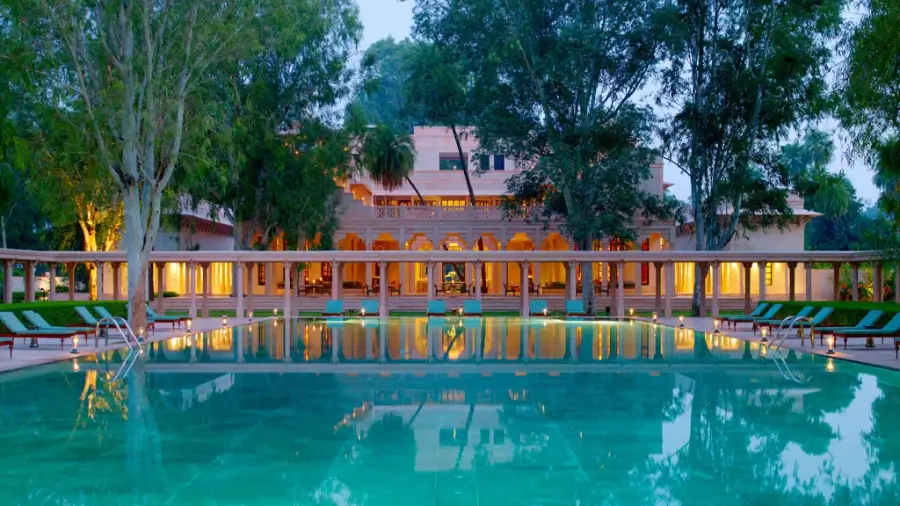
An India luxury tour with Aman hotels is suited to travellers who place privacy, accommodation quality and unhurried service at the centre of the journey. Rather than treating the hotel as somewhere to sleep between sightseeing days, an Aman-based itinerary gives the properties enough time to become part of the trip itself. In India, this can mean combining the architectural character of Amanbagh in Rajasthan with the wilderness setting of Aman-i-Khás near Ranthambore, while private chauffeur services, specialist guides and carefully selected luxury hotels in cities outside the Aman portfolio connect the wider route.
The important practical point is that an Aman India tour cannot be created by simply placing an Aman property in every major tourist city. The brand has a limited footprint in India, so travellers visiting Delhi, Agra, Jaipur or Udaipur may need other high-end hotels for parts of the itinerary. Aman stays can then form the premium centrepieces of the journey. This often produces a better trip because the route is built around geography and the experience at each property rather than around a hotel logo.
For first-time visitors, Delhi and Agra can introduce North India before the route enters Rajasthan. Amanbagh can provide several slower nights in the Aravalli landscape, while Aman-i-Khás can add a private wilderness stay associated with Ranthambore. Jaipur or another Rajasthan city can then be included according to the total duration. Travellers with fourteen days can create a substantial private journey without rushing; those with ten days should keep the route more compact.
The budget is naturally higher than a conventional five-star India holiday. Aman accommodation can represent several thousand dollars per night depending on property, dates and accommodation category. Once private transportation, high-end hotels in other cities, specialist guides, wildlife arrangements and premium transfers are added, the total luxury India private tour cost can reach tens of thousands of dollars for a couple.
There is no single fixed price for an India Aman hotel package because accommodation rates vary significantly by travel period, room or pavilion category, inclusions and availability. The number of nights spent at Aman properties also has a major effect on the final figure.
For two travellers sharing accommodation, a premium private journey can reasonably fall within these broad ranges:
|
Aman-Focused Private India Tour |
Approximate Cost for Two Travellers |
|---|---|
|
7-night luxury private journey |
$15,000–$22,000 |
|
10-night Aman-focused India tour |
$20,000–$30,000 |
|
14-night luxury Rajasthan journey |
$28,000–$42,000 |
|
14 nights with premium suites and exclusive services |
$40,000–$55,000 |
|
Highly exclusive private arrangements |
$55,000+ |
International flights are normally separate unless specifically requested as part of the package.
Accommodation is the main reason these totals rise quickly. Travellers should be prepared for premium Aman accommodation to cost roughly $1,500–$3,000+ per night in many circumstances, with higher categories, peak dates and special arrangements capable of moving well beyond that range. Actual rates should always be confirmed for the specific dates because seasonal variation can be substantial.
Consider a fourteen-night itinerary containing six nights at Aman properties averaging $2,000 per night. Those six nights alone represent $12,000. Eight additional nights at luxury hotels averaging $900 per night add another $7,200. Accommodation therefore reaches $19,200 before the chauffeur, private guides, monument tickets, airport services and wildlife arrangements have been included.
If the traveller selects premium Aman categories averaging $3,000 per night and high-end suites elsewhere, the hotel component can quickly exceed $30,000.
This is why an Aman luxury tour in India should be priced around exact hotels and accommodation categories rather than a generic five-star package description.
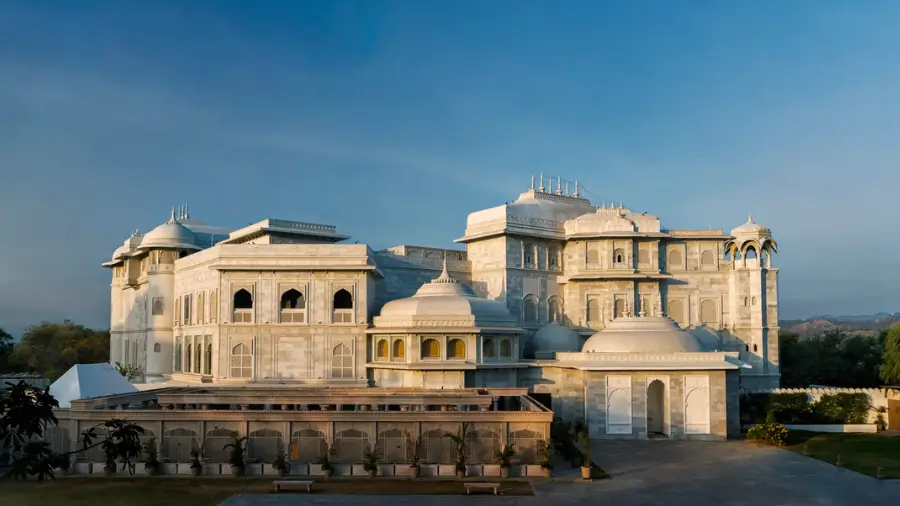
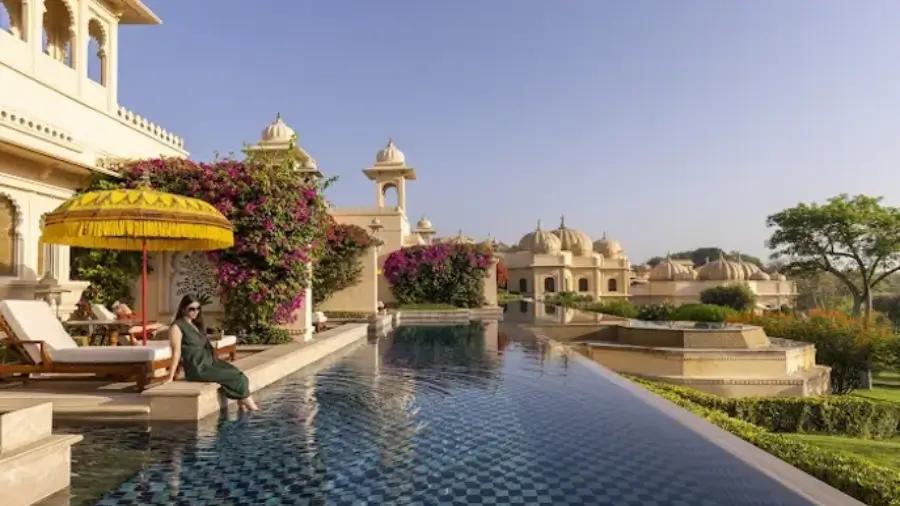
Amanbagh is located in Rajasthan in the Aravalli region, away from the atmosphere of a major city hotel. Its setting is part of the reason travellers choose it, so using the property for a single night between long road journeys does not make much sense.
Three nights is a much stronger allocation. Guests can arrive after a private road transfer, have an unhurried first evening and then use the following days for a mixture of local excursions and time at the property.
The accommodation experience is substantially different from staying in central Jaipur. The emphasis is on space, privacy, landscape and a quieter rhythm. For travellers who have already spent several days visiting monuments in Delhi and Agra, this change can be particularly welcome.
A luxury Rajasthan tour with Amanbagh should therefore avoid filling every morning and afternoon with outside sightseeing. One carefully selected excursion followed by a long lunch, spa time or a quieter afternoon can make better use of the stay.
Private chauffeur arrangements are important because the property sits outside the normal city-hotel pattern. Transfers should be confirmed around the wider route rather than expecting travellers to arrange local transportation independently.
Rates can vary considerably by accommodation type and season, and premium categories can run into several thousand dollars per night. Travellers should know the exact category being quoted, what meals or services are included and whether taxes are already reflected in the package figure.
Aman-i-Khás provides a completely different experience because it is associated with the wilderness around Ranthambore. Instead of palace architecture or a city setting, the stay is centred on an exclusive camp environment and access to one of India’s best-known wildlife regions.
Two nights is possible, but three nights is preferable for travellers making wildlife a meaningful part of the trip. Safari drives operate within controlled time windows, and wildlife sightings are never guaranteed. Having more than one opportunity matters.
The exact safari arrangements depend on current Ranthambore regulations, permits, zones and vehicle availability. These details should be handled well before arrival, particularly during periods of high demand.
Morning drives can begin very early, while afternoon safaris operate according to seasonal timings. Guests need enough space around these outings for meals and rest. Scheduling a long intercity road journey immediately after an early safari can make the day unnecessarily demanding.
A luxury Ranthambore tour with Aman-i-Khás should also be valued for more than the possibility of seeing a tiger. The landscape, birdlife, deer and wider forest environment form part of the experience. No responsible private package should promise a tiger sighting.
Premium accommodation and safari arrangements can make this one of the more expensive sections of the journey. Travellers should budget several thousand dollars for a multi-night stay once the accommodation, transfers and wildlife arrangements are combined.
Delhi is a practical international gateway and deserves at least two nights before travellers move deeper into Rajasthan.
A late international arrival should normally be treated as an arrival night only. After immigration and baggage collection, guests can be met at the airport and transferred by private vehicle to their hotel. The journey to central New Delhi can take approximately 30 to 60 minutes in reasonable traffic and longer during busy periods.
Luxury travellers using Aman properties later in the journey will generally want a hotel in Delhi that maintains a comparable standard of service. Premium five-star rooms can cost around $500–$1,000+ per night, while top suites can rise considerably higher.
The main private sightseeing day can include Humayun’s Tomb, Qutub Minar and selected areas of Old and New Delhi. Rather than trying to cover every major attraction, the day can be structured around the traveller’s interests with a private guide and chauffeur.
Humayun’s Tomb is particularly relevant before travelling to Agra because it provides useful Mughal architectural context. Qutub Minar adds an earlier historical period, while Old Delhi creates a very different urban experience.
A private guide and dedicated vehicle allow the sightseeing schedule to remain flexible. If travellers want a longer lunch or an earlier return to the hotel after their international flight, the day can be adjusted accordingly.
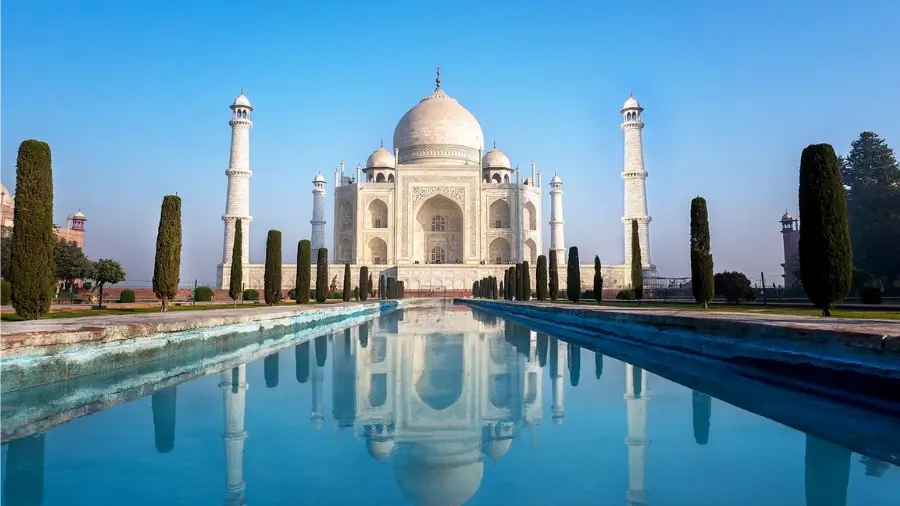
An Aman-focused trip does not need to exclude Agra simply because there is no Aman hotel beside the Taj Mahal. For most first-time visitors, the monument remains too important to omit.
Delhi to Agra generally takes around three and a half to four and a half hours by private vehicle. One night is enough when the schedule is handled carefully.
After arriving and checking into a premium Agra hotel, guests can visit Agra Fort with a private guide during the afternoon. The Taj Mahal can then be reserved for around sunrise the following morning.
The monument generally opens around sunrise and remains open until around sunset. Friday is normally the weekly closure day for general visitors. Exact access arrangements should always be confirmed for the actual travel date.
International visitor admission can be approximately $15–$20 per person, depending on the current official ticket category and access selected.
Premium Agra hotels can cost around $500–$1,200+ per night, with particularly desirable rooms and suites moving higher. For a luxury traveller, location, service and room view can matter more than simply choosing the hotel with the largest room.
The private chauffeur can then continue towards Rajasthan after the morning visit and breakfast.
Jaipur remains one of the strongest Rajasthan additions because it provides major historical sightseeing and exceptional palace accommodation.
Amanbagh is not a substitute for Jaipur. The two stays offer different experiences. Jaipur gives travellers Amber Fort, City Palace, Jantar Mantar, Hawa Mahal and the atmosphere of a major royal city, while Amanbagh provides a quieter rural luxury stay.
For a fourteen-day itinerary, two or three nights in Jaipur can fit comfortably. Amber Fort should receive several hours with a private guide, while City Palace and Jantar Mantar can form the afternoon section.
International visitors should allow approximately $40–$70 per person for entrance charges across the main attractions, depending on current ticket categories and sites selected.
Jaipur is also one of the best places to use another prestigious palace hotel. Premium rooms can cost $700–$1,500+ per night, while major suites and special categories can cost several thousand dollars.
Travellers should avoid choosing a spectacular Jaipur hotel and then spending every waking hour away from it. A three-night stay allows one full sightseeing day and another lighter day for the property, dining or specialist interests.
This slower pace fits naturally with the wider Aman-style luxury India itinerary.
Ten nights requires discipline. The journey should not attempt Delhi, Agra, Jaipur, Amanbagh, Ranthambore, Jodhpur and Udaipur all at once.
A stronger route can use Delhi – Agra – Amanbagh – Jaipur – Aman-i-Khás, with the exact order adjusted around road logistics and safari arrangements.
Delhi can receive two nights, although three may be preferable when the international flight arrives late. Agra needs one night. Amanbagh should ideally receive three nights. Jaipur can receive two nights, and Aman-i-Khás can take two or three nights depending on the overall schedule.
If wildlife is not a priority, Aman-i-Khás can be omitted and more time allocated to Jaipur or another Rajasthan destination.
A 10-night luxury India tour with Aman hotels for two travellers can reasonably cost around $20,000–$30,000. Premium suites, high-season rates and more exclusive services can raise the total beyond $35,000.
The exact road sequence needs to be checked against the chosen hotels and travel dates. A private chauffeur should handle the appropriate overland sectors, with enough time allocated for comfort stops and hotel arrivals.
Fourteen nights gives enough room for a much stronger journey because Aman stays no longer need to compete with every major sightseeing city for time.
A route can begin with three nights in Delhi, followed by one night in Agra. Jaipur can then receive three nights, while Amanbagh receives three nights and Aman-i-Khás another three nights. The final night can be positioned according to the international departure airport and transfer requirements.
Another version can reduce Delhi to two nights and use the additional time for Udaipur. This creates a broader Rajasthan journey but also adds another substantial transfer.
A 14-night private Rajasthan tour with Aman hotels can cost approximately $28,000–$42,000 for two travellers when premium accommodation and private services are used. Higher suites and more exclusive arrangements can move the cost to $45,000–$55,000 or more.
Fourteen nights also gives guests enough time for deliberate hotel days. Amanbagh and Aman-i-Khás should not merely function as expensive overnight accommodation between sightseeing stops.
For travellers spending several thousand dollars per night, an afternoon with no scheduled excursion is not wasted time. It is part of the reason for selecting this level of property.
Udaipur can be a valuable addition when travellers have fourteen days or longer and want another major Rajasthan destination.
The city offers one of India’s strongest combinations of palace architecture, lake scenery and premium accommodation. City Palace can occupy several hours with a private guide, while a Lake Pichola boat ride can be arranged according to current operating conditions.
Three nights is ideal, particularly when guests select a leading lakefront hotel. Premium rooms can cost around $700–$1,500+ per night, while prestigious suites can move into several thousand dollars per night.
The challenge is geographical. Adding Udaipur creates another road or flight sector, so it should not simply be inserted into an already full ten-night itinerary.
Travellers wanting Udaipur, Amanbagh, Aman-i-Khás, Jaipur, Agra and Delhi are generally better served by fourteen to eighteen nights.
The extra time preserves the premium character of the journey. A luxury Rajasthan private tour should not require guests to pack their luggage every morning simply to fit another expensive hotel into the itinerary.
Accommodation receives most of the attention on an Aman-focused trip, but the vehicle is equally important because travellers can spend many hours on Rajasthan’s roads.
For two guests with international luggage, a premium MPV offers useful space and comfortable seating. Travellers wanting a higher transport category can request a luxury SUV or executive vehicle.
The chauffeur should be experienced with long-distance private touring and the route between the selected luxury hotels. Fuel, tolls, parking and routine driver expenses should normally be incorporated into the package.
Vehicle cleanliness, air conditioning and luggage capacity matter far more on a six-hour road day than they do on a short airport transfer.
The chauffeur should also understand that premium private travel requires flexibility. Departure times may change because guests want a later breakfast, and comfort stops should be handled without making travellers feel tied to a group schedule.
Local guides remain separate from the driver. Specialist private guides should join in Delhi, Agra, Jaipur and other historically significant destinations where detailed interpretation adds value.
A luxury India tour with private chauffeur works best when the transportation standard supports the hotels rather than feeling like a completely different level of service once guests leave the property.
An Aman-focused journey can have a very substantial accommodation budget.
Suppose a couple spends three nights at Amanbagh and three nights at Aman-i-Khás at an average of $2,200 per night. Six nights represent $13,200.
Three nights at a premium Jaipur hotel averaging $1,000 add $3,000. Two Delhi nights at $800 add $1,600, and one Agra night at $900 takes the hotel subtotal to $18,700 for twelve nights.
If premium Aman accommodation averages $3,000 per night and suites are used in Jaipur and Delhi, the same journey can easily move above $25,000–$30,000 in hotels alone.
The private chauffeur, guides, safari arrangements, airport transfers, monument admissions and other services are additional.
Travellers should therefore request exact hotel categories before comparing quotations. The phrase “Aman stay included” is not enough because different accommodation categories can have very different prices.
Meal inclusions should also be checked. Resort and camp arrangements can differ from standard city hotel bed-and-breakfast rates.
Travellers booking this level of journey should also allow a realistic budget for dining and private experiences.
Luxury hotel dining for two can easily cost $150–$300+ for an evening, particularly when premium beverages are added. Special private dining arrangements can cost considerably more depending on the property and setting.
Spa treatments at leading luxury properties can also add several hundred dollars per couple.
Private excursions arranged through high-end hotels may cost more than standard local activities because they can include dedicated vehicles, guides, private access arrangements or more elaborate service.
Aman properties are often selected precisely because guests want these quieter, property-led experiences. It makes little sense to calculate only the room rate and ignore the spending likely to occur during a three-night stay.
For a fourteen-night premium journey, allowing several thousand dollars in personal spending beyond the prepaid package can provide useful flexibility.
Travellers sometimes compare an Aman-focused trip with a Rajasthan journey using only famous palace hotels. The two styles are not identical.
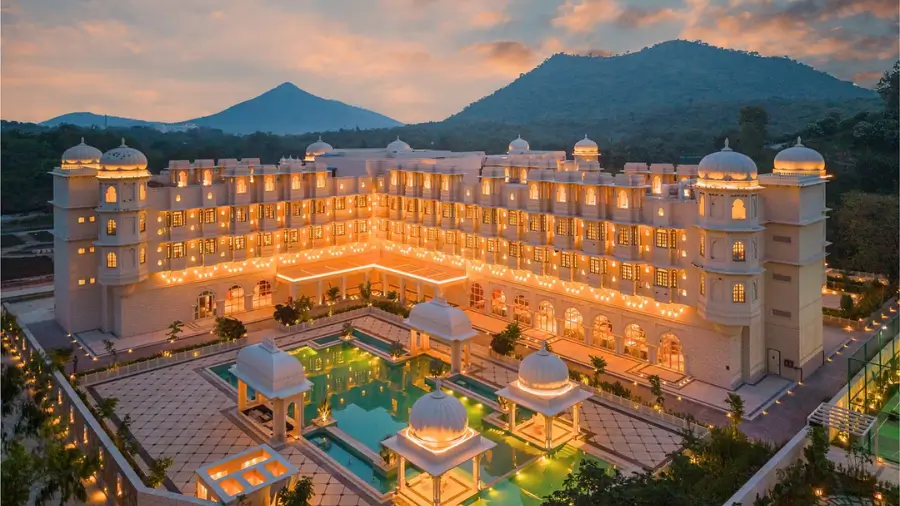
A palace-hotel route often emphasises architectural grandeur, historical buildings and central positioning in Rajasthan’s royal cities. Aman properties place greater emphasis on privacy, understated luxury, setting and a quieter service environment.
Neither approach is automatically superior. Some travellers prefer the visual drama of historic palace hotels, while others value the lower-key privacy of Aman.
A particularly strong itinerary can combine both. Jaipur or Udaipur can provide a major palace stay, while Amanbagh and Aman-i-Khás provide contrasting rural and wildlife experiences.
This mixture can also prevent a two-week journey from feeling repetitive. Rather than moving from one palace to another, travellers experience a city hotel, Taj Mahal stay, palace property, secluded Rajasthan retreat and wilderness camp.
A premium quotation should identify every hotel and accommodation category rather than using generic luxury descriptions.
Private airport reception and all confirmed transfers should be included. The chauffeur-driven vehicle category should be named, and routine road costs such as fuel, tolls, parking and driver expenses should be addressed.
Private local guides should be listed by destination. Monument admissions can either be prepaid or shown clearly as separate expenses.
Ranthambore safari arrangements require particular detail. The quotation should state what has been requested or confirmed according to the applicable permit system rather than implying guaranteed wildlife sightings.
Hotel meal arrangements should be identified, especially at resort and camp properties where inclusions may differ.
Domestic flights, when required, should show the route and baggage conditions.
Travel insurance, international flights, visa costs, gratuities and personal spending are normally separate unless specifically included.
For a package potentially costing $30,000–$50,000 or more, these details are essential rather than optional.
An Aman-focused private journey should begin with the actual hotel availability because the number of rooms and preferred categories can be limited. Once the key stays are confirmed, the surrounding Delhi, Agra and Rajasthan nights can be arranged around them.
International flights should also be considered early. A late Delhi arrival affects the number of useful nights at the beginning, while the final international departure determines whether an additional airport night is necessary.
Wildlife permits need advance attention when Aman-i-Khás and Ranthambore form part of the route. Hotel availability alone does not guarantee the preferred safari arrangements.
The private chauffeur route should then be checked carefully against actual road times. Premium accommodation does not make a six-hour drive become a three-hour drive, and realistic transfer times remain important even on the highest-end itinerary.
India Personal Tours can coordinate the private ground arrangements, including luxury hotels, chauffeur services, local guides, airport transfers and the required connections between destinations. The company does not need to dominate the itinerary; the focus should remain on seamless logistics and the quality of each stay.
An Aman-based journey works best when there is enough empty space in the schedule. A three-hour lunch, an unscheduled afternoon or a quiet evening at the property can be as valuable as another monument. When the accommodation itself is one of the main reasons for travelling, time at the hotel is part of the trip rather than time between activities.
Every traveller is unique, and every journey should be equally distinctive. Share your travel aspirations with us, and our travel specialists will craft a bespoke itinerary tailored to your interests, preferences, and travel style. From private transportation and handpicked accommodations to authentic, immersive experiences, every detail will be thoughtfully curated for you. Your personalised travel proposal will be delivered within 24 hours.
Find answers to the most common questions about our tours, booking process, private drivers, accommodations, and travel services.
For two travellers, an India luxury tour with Aman hotels can cost approximately $20,000–$30,000 for around ten nights and $28,000–$42,000 for around fourteen nights. Premium suites, peak dates and exclusive services can take the total above $50,000.
Amanbagh in Rajasthan and Aman-i-Khás near Ranthambore can form the core Aman stays within a private North India and Rajasthan itinerary.
Three nights is a strong choice. It gives enough time for selected local experiences as well as meaningful time at the property rather than using it as a one-night road stop.
Two nights is possible, but three nights is preferable for travellers who want more than one wildlife safari opportunity and enough time to enjoy the camp.
Yes. Agra can be added with one overnight stay at another luxury hotel, allowing an afternoon visit to Agra Fort and a sunrise Taj Mahal visit the following morning.
Yes. Two or three nights in Jaipur work particularly well and can include Amber Fort, City Palace, Jantar Mantar and a premium palace-style hotel.
Travellers can reasonably allow around $1,500–$3,000+ per night as a broad premium estimate, although actual rates vary significantly by property, accommodation category, dates and inclusions.
A private chauffeur can handle suitable road sectors throughout Delhi, Agra and Rajasthan. A premium MPV, luxury SUV or executive vehicle can be selected according to the travellers' requirements.
No. Wildlife sightings can never be guaranteed. Safari access is also subject to permits, current park rules, zones and vehicle availability.
Yes. India Personal Tours can arrange the private ground itinerary, including Aman and other luxury hotel stays, chauffeur-driven transportation, local guides, airport transfers and wildlife arrangements subject to availability.