India Tour with Business Class Flights – Luxury Holiday Cost & Booking Guide
10 Sep 2026

A 2-week luxury India tour package gives international travellers enough time to combine Delhi, the Taj Mahal and Rajasthan without reducing the journey to a series of one-night hotel stays. Fourteen days is especially suitable for couples and private travellers who want high-quality hotels, a dedicated chauffeur and individual local guides while still keeping the route geographically sensible.
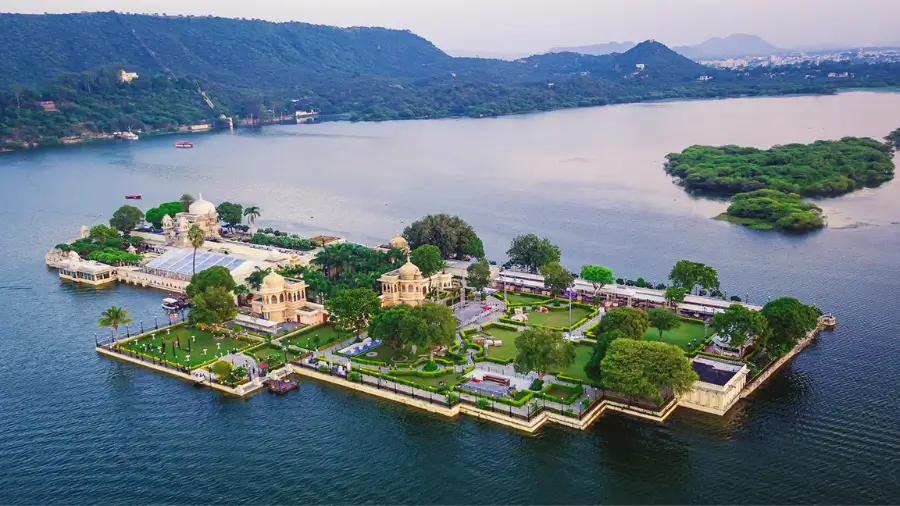
The strongest two-week journeys usually begin in Delhi, continue by private road transfer to Agra and then move through Rajasthan. Jaipur, Jodhpur and Udaipur form a natural sequence after the Taj Mahal and provide three very different sides of Rajasthan. Jaipur brings major forts and royal architecture, Jodhpur offers the imposing Mehrangarh Fort and a stronger western Rajasthan character, while Udaipur provides lake scenery and some of the country’s most distinctive luxury accommodation.
For travellers paying for five-star hotels and premium private services, pacing matters as much as the hotel names. A fourteen-day itinerary that changes accommodation every night defeats much of the purpose of luxury travel. Two or three nights in major destinations allow guests to enjoy breakfast without rushing, return to the hotel between sightseeing sessions and make use of the spa, pool or restaurants they are paying for.
A private India tour with driver and 5-star hotels also removes many of the logistical problems associated with a multi-city journey. The same chauffeur can remain with guests through the principal North India road sectors, luggage stays in the vehicle during transfers, and local guides can join separately for the historical sightseeing. There is no need to book new taxis in every city or repeatedly move large suitcases through railway stations.
A two-week luxury trip can vary significantly in price because thirteen hotel nights amplify every accommodation decision. The route may stay exactly the same while the package price changes by tens of thousands of dollars depending on whether guests select high-quality five-star rooms, leading palace hotels or premium suites.
For two travellers sharing one room, realistic private package figures can look like this:
|
Two-Week Luxury India Package |
Approximate Cost for Two Travellers |
|---|---|
|
Luxury 5-star hotels and private chauffeur |
$12,000–$16,000 |
|
Premium 5-star and heritage hotels |
$15,000–$20,000 |
|
Palace hotels and premium rooms |
$19,000–$26,000 |
|
Leading palace hotels, suites and luxury vehicle |
$25,000–$35,000 |
|
Highly exclusive hotel and suite itinerary |
$35,000–$50,000+ |
International flights are normally separate unless they are explicitly included in the quotation.
Accommodation is usually the largest component. Thirteen nights averaging $600 per night amount to $7,800. At an average of $1,000 per night, the same thirteen nights reach $13,000. If premium suites and top palace properties push the average towards $1,500, accommodation alone reaches $19,500 before transportation, guides, monument tickets and other services.
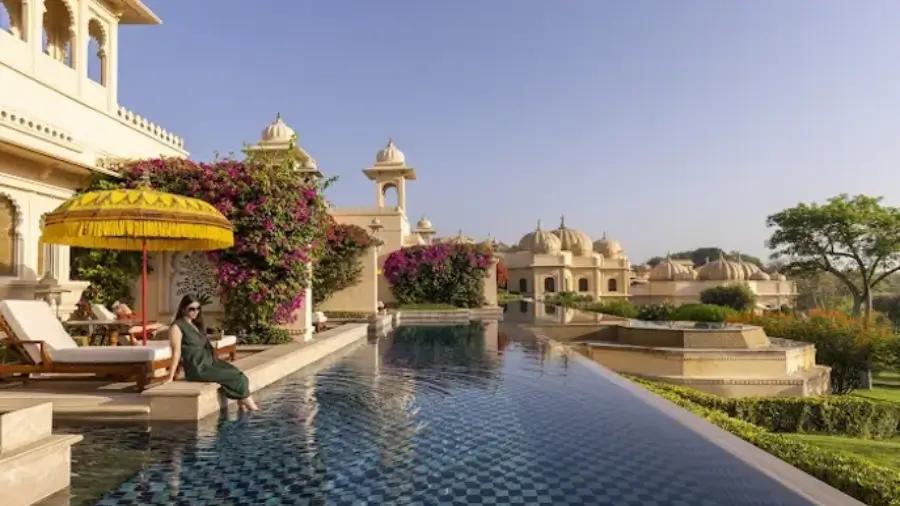
Current luxury hotel pricing also shows how large the difference between room categories can be. The Oberoi Udaivilas has recently appeared around the equivalent of several hundred dollars per night for entry-level availability, while the hotel’s published rack tariffs historically show enormous jumps for private-pool suites. Taj Lake Palace has similarly shown premium nightly pricing that changes materially by date and room type.
This is why a luxury India tour cost should never be compared using only the total figure. The exact hotels and room categories need to be reviewed first.
A well-balanced route can follow:
Delhi – Agra – Jaipur – Jodhpur – Udaipur
This sequence works because the cities connect naturally by road and each provides a different travel experience. There is no need to add Varanasi, Kerala or Mumbai simply because fourteen days are available. Doing so would require additional domestic flights and would take time away from the major North India destinations.
Delhi can receive three nights when the international flight arrives late or two nights when the first day remains usable. Agra generally needs one night. Jaipur works particularly well with three nights, Jodhpur with two nights and Udaipur with three nights. The final night can then be placed according to the international departure arrangement.
A private chauffeur handles most of the road route. Delhi to Agra generally requires around three and a half to four and a half hours, Agra to Jaipur around four and a half to five and a half hours, and Jaipur to Jodhpur around five and a half to six and a half hours. Jodhpur to Udaipur can occupy much of the day when Ranakpur is included.
These are real road distances and should be respected. A luxury vehicle improves comfort, but it does not make a six-hour journey disappear. Good scheduling means leaving enough time for lunch, comfort stops and hotel check-in instead of treating transfer days as full sightseeing days.
Delhi is often the first point of contact with India, and the arrival schedule should reflect the length of the international journey. Travellers arriving from the United States, UK, Canada, Europe or Australia may have been travelling for many hours, so beginning immediately with a long historical tour is rarely necessary.
A private airport representative or chauffeur can meet guests after the arrival formalities and transfer them directly to the hotel. Delhi Airport to central New Delhi can take approximately 30 to 60 minutes in lighter traffic and longer during busy periods.
Luxury hotel rooms in Delhi can commonly cost around $400–$900+ per night, with club rooms and suites going considerably higher. The hotel should be selected not just by star rating but also by location, service and access to the areas being visited.
A private sightseeing day can include Humayun’s Tomb, Qutub Minar and selected parts of Old and New Delhi. Rather than trying to fit every major monument into one day, the route should concentrate on significant sites and leave enough time for lunch and breaks.
Humayun’s Tomb is particularly relevant because its architecture provides useful historical context before the Taj Mahal visit. Qutub Minar represents an earlier period, while Old Delhi presents a completely different urban character.
A luxury Delhi private tour works best when the chauffeur handles the vehicle and a separate local guide provides historical interpretation. The guide can adjust the sightseeing according to the guests’ interests while the car remains available throughout the day.
Delhi to Agra is one of the easiest major road sectors on the route. Leaving after breakfast allows travellers to reach Agra around lunchtime, depending on traffic and the hotel location.
One overnight stay is usually enough when the schedule is arranged properly. Guests can check into a premium hotel, rest and visit Agra Fort during the afternoon with a private guide.
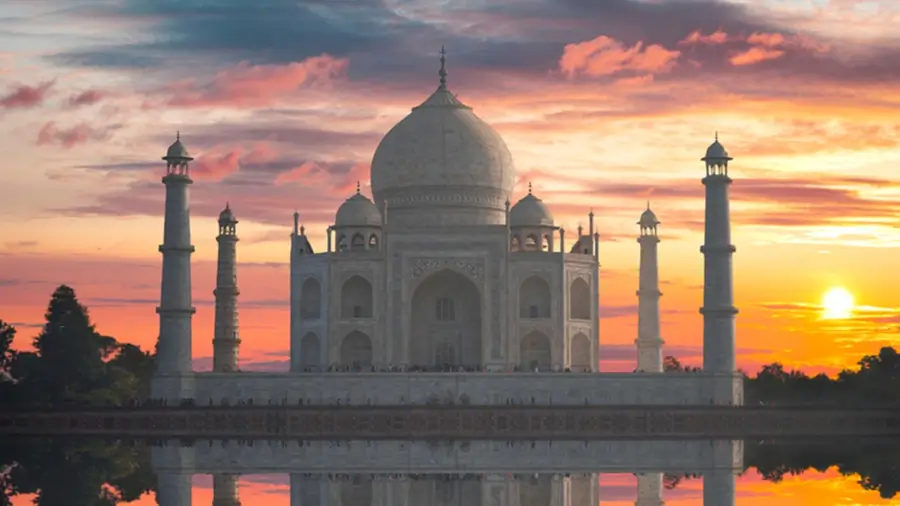
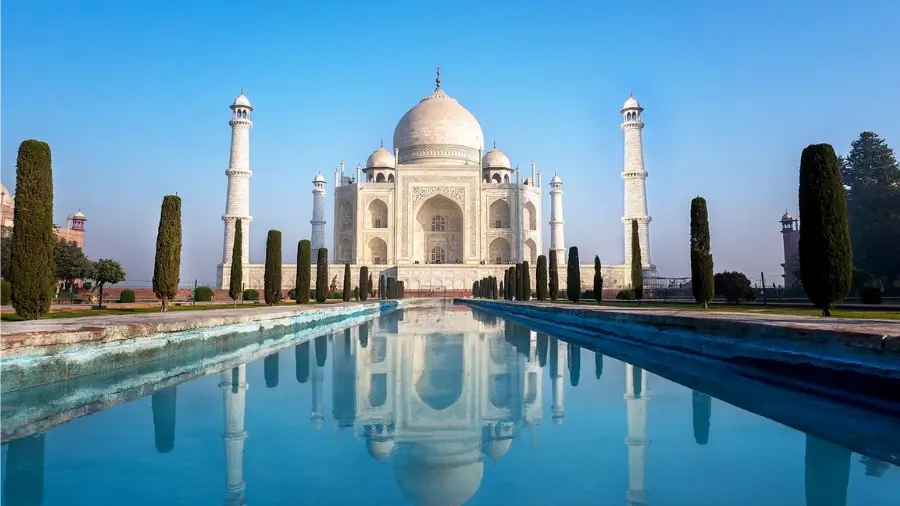
The Taj Mahal can then be visited around sunrise the following morning. This is much more comfortable than leaving Delhi before dawn, visiting the Taj Mahal and continuing directly to Jaipur in one long day.
The monument generally opens around sunrise and remains available until around sunset, with Friday normally being its closure day for regular visitors. International visitors should allow approximately $15–$20 per person for standard admission depending on the current official ticket category.
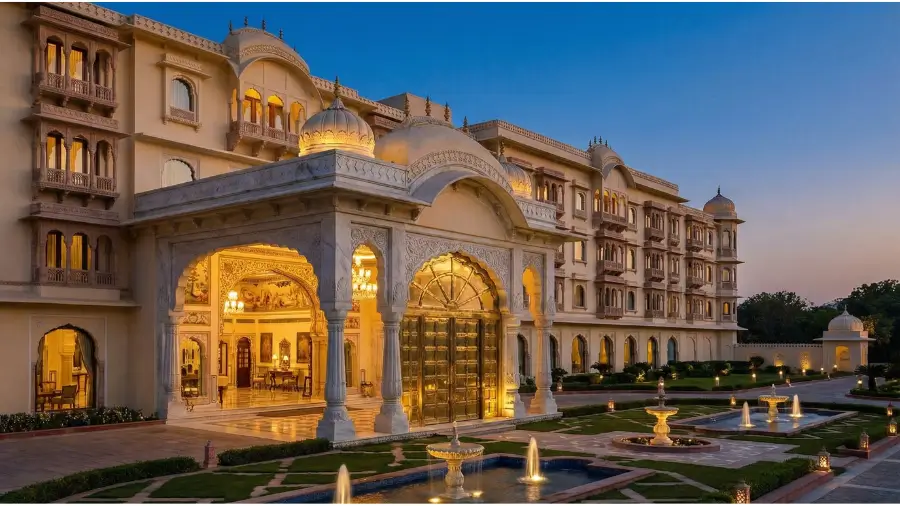
Premium Agra hotels can cost approximately $450–$1,100+ per night, particularly where desirable Taj Mahal positioning or higher room categories are involved.
For luxury travellers, the value of the overnight is not only the hotel. It creates a better sightseeing schedule. Guests can visit Agra Fort without rushing, have dinner comfortably and see the Taj Mahal at a suitable time before continuing towards Rajasthan.
Agra to Jaipur generally takes around four and a half to five and a half hours by private vehicle. The arrival day should therefore remain relatively light.
Three nights in Jaipur allows one substantial sightseeing day and another day that can be used more selectively.
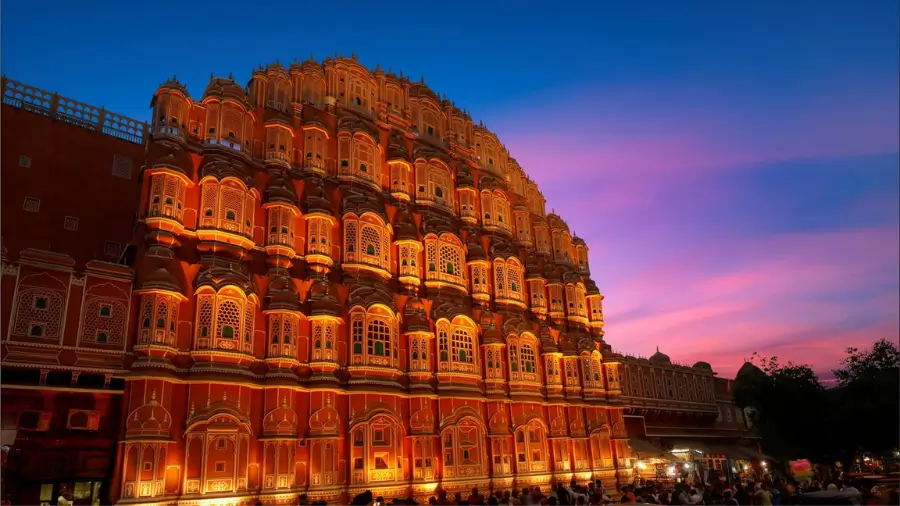
Amber Fort is the principal morning attraction and can take several hours. City Palace and Jantar Mantar can follow later, while Hawa Mahal remains one of Jaipur’s most recognisable architectural landmarks.
International visitors covering several major paid attractions should allow around $40–$70 per person in entrance charges depending on the sites and current ticket categories.
A private guide helps connect the different parts of Jaipur’s history rather than making each monument feel like an isolated stop. The chauffeur handles transport between the hotel, Amber Fort and the historic centre.
Jaipur is also one of the strongest destinations for spending more on accommodation. Palace-style resorts and luxury hotels can cost $500–$1,500+ per night, with prestigious suites and villas moving into several thousand dollars.
This makes three nights particularly important. Paying heavily for a palace hotel while leaving at 7:00 am and returning after dark every day offers little value. One lighter afternoon can be used for the hotel, spa, dining or selected shopping.
The drive from Jaipur to Jodhpur takes approximately five and a half to six and a half hours. Guests should arrive with no demanding sightseeing scheduled that evening.
Two nights works well. Mehrangarh Fort can form the main visit on the following morning. It is one of Rajasthan’s strongest fort complexes and deserves several hours rather than a quick stop.
A private guide can explain the palace sections, collections and history while also allowing enough time for the views over the city.
Jaswant Thada can be combined with the fort, while a shorter visit to selected parts of the old city can follow later.
Luxury hotel pricing in Jodhpur varies greatly. Premium rooms can cost approximately $450–$1,000+ per night, while leading palace accommodation and suites can exceed $1,500–$3,000+ depending on the property and room category.
A private Jodhpur tour with luxury hotel works particularly well because the chauffeur remains available for transportation even when the property is outside the densest central areas.
Jodhpur also prevents the Rajasthan section from feeling repetitive. Its fort-dominated skyline and western Rajasthan atmosphere are very different from Jaipur’s royal city and Udaipur’s lake setting.
The journey from Jodhpur to Udaipur can include Ranakpur, turning what would otherwise be a transfer into one of the more interesting road days of the itinerary.
The route should still be scheduled realistically. Once sightseeing, lunch and comfort stops are included, the journey can occupy much of the day.
Ranakpur is known for remarkable temple architecture and sits naturally between the two cities. Current access hours should be reconfirmed before the journey because visitor schedules can vary.
The private chauffeur remains particularly valuable on this sector. Guests do not need to worry about luggage while stopping en route, and they continue directly to the Udaipur hotel afterwards.
The arrival evening in Udaipur should be left free. After a full road day, it is more appropriate to check in, have dinner and enjoy the property than to begin another major sightseeing programme.
This is a good example of what luxury chauffeur travel in India should mean: not simply travelling in an expensive car, but structuring the road day so that it feels comfortable and useful.
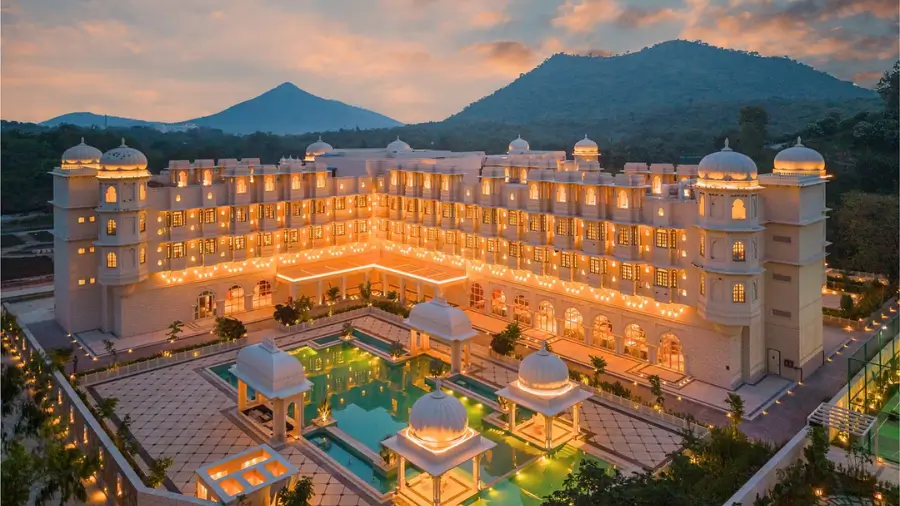
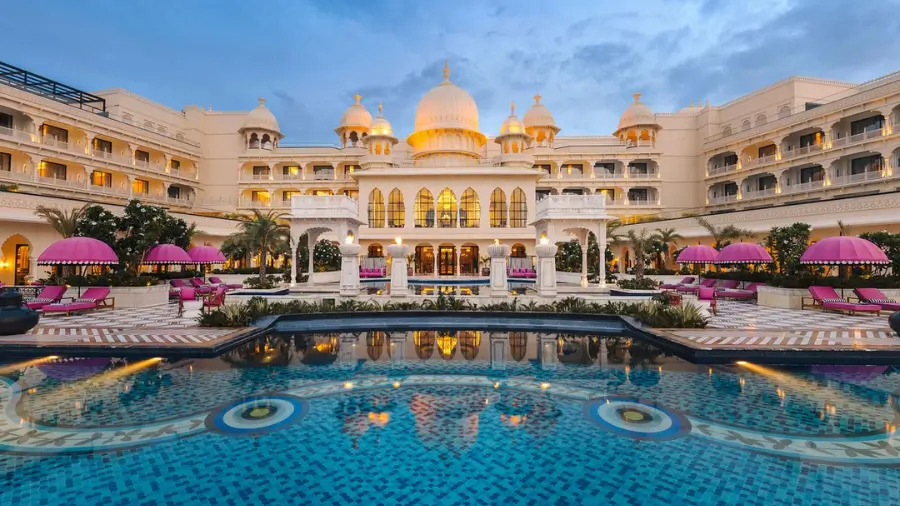
Udaipur is one of India’s strongest luxury hotel cities and deserves at least three nights in a two-week premium itinerary.
City Palace is the principal historical attraction and can occupy several hours. Its position above Lake Pichola and extensive interior sections make it suitable for a private guided visit rather than a quick walkthrough.
Jagdish Temple and selected parts of the historic centre can be included during the same day. A private boat ride on Lake Pichola can also be arranged according to current operating conditions.
The second full day does not need another long sightseeing schedule. Travellers may want a spa treatment, relaxed lunch, hotel time or a shorter private outing.
This matters because accommodation in Udaipur can become one of the largest components of the package. Current listings for The Oberoi Udaivilas have shown entry-level rates in the several-hundred-dollar range before considering much more expensive suite categories. Taj Lake Palace has also shown high-end nightly pricing that varies by date and availability.
At leading properties, premium rooms and suites can rise substantially beyond those starting rates. For travellers selecting landmark hotels, $700–$1,500+ per night is a reasonable working band for many premium room categories, while prestigious suites can cost several thousand dollars.
A luxury Udaipur tour should therefore include enough hotel time to justify the accommodation choice.
A two-week private journey involves substantial road time, so the chauffeur service should match the hotel standard.
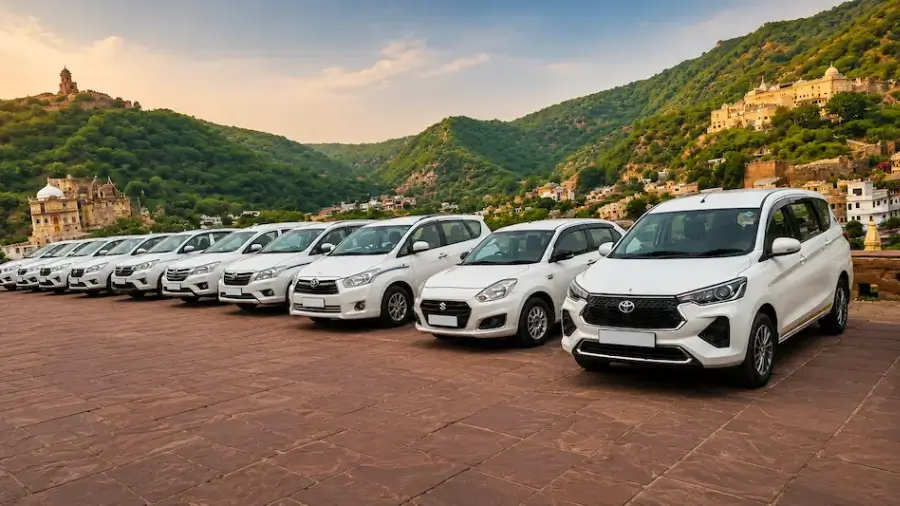
For two travellers, a premium MPV is usually one of the most practical choices. It offers useful luggage capacity, easier entry and comfortable seating on long drives.
Travellers wanting an upgraded road experience can request a luxury SUV or executive sedan. The decision should still take luggage into account. Two large international suitcases plus hand luggage can make some sedans less practical than they appear.
The chauffeur should remain with guests through the suitable North India road sectors and handle airport transfers, hotel pickups and intercity journeys according to the itinerary.
Fuel, highway tolls, parking and routine driver expenses should be incorporated into the transport cost. A premium traveller should not have to deal with repeated small road charges.
The chauffeur does not replace private local guides. The driver concentrates on transportation, while specialist guides join in Delhi, Agra, Jaipur, Jodhpur and Udaipur for major sightseeing.
Vehicle cleanliness and reliability matter enormously. Guests may spend thirty or more hours inside the vehicle over two weeks, so a poor-quality car can undermine even an excellent hotel itinerary.
Not every day requires a guide, but the major historical destinations benefit significantly from one.
Delhi contains monuments from several periods, and a private guide can connect those periods in a way that a simple car tour cannot.
The Taj Mahal and Agra Fort also benefit from proper historical interpretation. Jaipur’s Amber Fort, City Palace and Jantar Mantar become far more meaningful when their political and architectural context is explained.
Mehrangarh Fort and Udaipur City Palace are extensive complexes, so knowledgeable guides can help guests focus on the most important areas without rushing through everything.
A premium guide should also understand the traveller’s pace. Some guests want detailed architectural explanation, while others prefer concise context and more photography time.
Shopping stops should not be inserted unless requested. Luxury travellers paying for private guiding should not feel that the sightseeing day has been designed around commission-based retail visits.
The package quotation should state exactly what is being purchased.
Private airport reception and final airport transfer should be included where applicable. The chauffeur-driven vehicle category should be identified, and the road itinerary should be clear.
Hotels should be named by city, and room categories should be provided wherever possible. Simply stating “five-star hotels” is not enough because room quality and nightly rates vary enormously.
Daily breakfast is commonly included. Lunch and dinner can remain flexible unless the traveller requests half-board, full-board or selected dining arrangements.
Private guides should be listed by city. Monument entrance tickets can either be prepaid and included in the package or shown separately.
Domestic flights, if required for a particular version of the route, should be listed by sector and fare category. Baggage allowance should also be reviewed for international travellers carrying larger suitcases.
Private boat rides, spa bookings, special dining or other premium activities should be shown individually rather than hidden under a general “activities” heading.
International flights, visa costs, travel insurance, gratuities, personal purchases and alcohol are usually separate unless stated otherwise.
A comfortable schedule can begin with three nights in Delhi when the first night is largely for arrival. Travellers then have at least one full private sightseeing day without packing immediately after landing.
Agra follows with one night. Guests can see Agra Fort in the afternoon and the Taj Mahal around sunrise the next morning.
Jaipur can receive three nights, providing one major sightseeing day and another lighter day.
Jodhpur then receives two nights, followed by the Jodhpur-to-Udaipur road journey through Ranakpur.
Udaipur can receive three nights, leaving enough time for City Palace, Lake Pichola and the selected luxury hotel.
The remaining night can be positioned according to the international departure arrangement. If the outbound flight leaves Delhi early, returning to Delhi the day before may be safer than relying on a same-day domestic connection.
This structure creates a true 14-day luxury India itinerary rather than simply filling fourteen calendar days with as many cities as possible.
Ranthambore can be included, but another destination or hotel night should usually be removed.
Two or three nights are recommended for wildlife because one safari does not provide enough flexibility. Safari permits are controlled, and wildlife sightings can never be guaranteed.
Adding Ranthambore between Agra and Jaipur can work geographically. However, if Jaipur, Jodhpur and Udaipur are already essential, the itinerary can become noticeably busier.
Luxury wildlife lodges can cost around $700–$1,500+ per night, while top properties can move higher. Multiple safari drives and transfers add further cost.
For travellers strongly interested in wildlife, replacing Jodhpur with Ranthambore may produce a more varied trip. For travellers focused on Rajasthan’s forts and palace hotels, keeping Jodhpur may be the stronger choice.
The itinerary should follow interests rather than trying to include both simply because each is famous.
It can, but using palace-style accommodation every night is not necessarily the strongest approach.
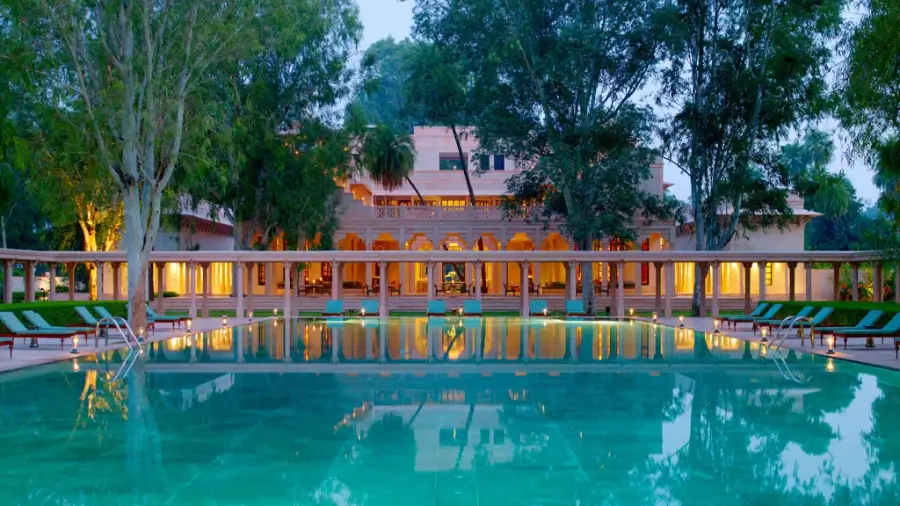
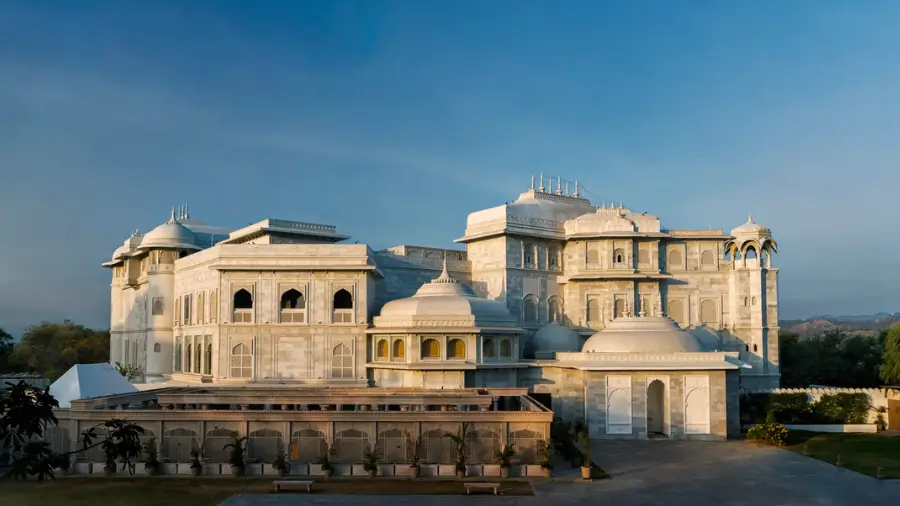
Delhi is often better suited to a sophisticated urban luxury hotel. Agra benefits from convenience and Taj Mahal positioning. Jaipur and Udaipur are natural places for landmark palace or resort stays, while Jodhpur can provide another distinctive heritage property.
Mixing hotel styles creates more contrast.
A couple might use premium contemporary accommodation in Delhi, a high-end Taj-facing property in Agra, palace-style hotels in Jaipur and Jodhpur and a lakefront luxury resort in Udaipur.
This type of hotel mix can still produce a highly luxurious journey while giving each destination its own character.
The most useful information at the beginning is the international arrival city, departure city, number of travellers, luggage requirements and preferred hotel standard.
The route can then be structured around the available thirteen hotel nights.
Travellers should state whether they prefer five-star international hotels, palace properties, premium suites or a mixture. This is crucial because hotel selection determines much of the final package cost.
The chauffeur vehicle can then be selected based on passenger numbers and luggage. Local guides should be arranged only where they provide genuine value, and any premium activities can be inserted after the main route is stable.
Cancellation terms should be reviewed before payment. Luxury hotels can impose stricter conditions during high-demand periods, and premium suites may have different policies from standard rooms.
India Personal Tours can coordinate the chauffeur-driven route, private local guides, luxury accommodation, airport transfers and other confirmed services. The operator does not need to appear repeatedly through the itinerary; the value should be visible through the quality of the logistics.
A strong two-week luxury journey should feel spacious rather than crowded. Guests should remember the Taj Mahal at sunrise, Amber Fort, Mehrangarh, Lake Pichola and exceptional hotels—not a sequence of alarms, packing and long transfers every morning.
Every traveller is unique, and every journey should be equally distinctive. Share your travel aspirations with us, and our travel specialists will craft a bespoke itinerary tailored to your interests, preferences, and travel style. From private transportation and handpicked accommodations to authentic, immersive experiences, every detail will be thoughtfully curated for you. Your personalised travel proposal will be delivered within 24 hours.
Find answers to the most common questions about our tours, booking process, private drivers, accommodations, and travel services.
A 2-week luxury India tour package for two travellers can cost around $12,000–$20,000 using excellent five-star hotels and private services. Palace hotels, premium suites and luxury vehicles can raise the cost to $25,000–$50,000+.
Delhi, Agra, Jaipur, Jodhpur and Udaipur form one of the strongest routes because they connect logically and provide major historical sites, Rajasthan and exceptional luxury accommodation without requiring constant domestic flights.
A dedicated chauffeur can normally remain with guests through the principal North India and Rajasthan road sectors, including Delhi, Agra, Jaipur, Jodhpur and Udaipur.
A premium MPV is usually one of the best choices because it offers comfortable seating and generous luggage capacity. Luxury SUVs and executive sedans can also be arranged.
Premium five-star rooms can commonly cost around $400–$1,500+ per night, depending on the city, hotel and room category. Leading suites can cost several thousand dollars per night.
Yes, particularly in Jaipur, Jodhpur and Udaipur. Palace-style properties can become a significant part of the holiday, but enough hotel time should be included to justify the additional cost.
They can be. The chauffeur handles transportation while professional local guides can join for sightseeing in Delhi, Agra, Jaipur, Jodhpur and Udaipur.
Yes, but it is usually better to remove or shorten another destination rather than simply adding two or three more nights into an already full schedule.
International airfare is normally separate unless specifically included. Domestic flights, when required by the itinerary, can be incorporated into the package.
Yes. India Personal Tours can arrange the chauffeur, luxury hotels, private guides, airport transfers and other confirmed services before arrival.