India Tour with Business Class Flights – Luxury Holiday Cost & Booking Guide
10 Sep 2026

A private India tour with driver and guide gives international travellers one of the most comfortable ways to travel across several Indian cities without managing separate taxis, hotel transfers, local guides and road arrangements independently. The chauffeur handles transportation and remains responsible for the vehicle throughout the relevant road sectors, while private local guides join in major sightseeing destinations where historical, architectural or cultural interpretation adds value.
The distinction between the two services is important. A chauffeur and a professional guide should not be treated as the same person. The driver focuses on safe road travel, luggage, hotel pickups, airport transfers and city-to-city transportation. A licensed guide focuses on the destination itself, including monument history, local context, entry procedures and the flow of the sightseeing day. On a premium private holiday, using both services properly creates a much stronger experience than asking one person to perform every role.
This style of travel works particularly well on routes through Delhi, Agra and Rajasthan. A dedicated chauffeur can meet guests at Delhi Airport, take them to their hotel and continue with them through Agra, Jaipur, Jodhpur and Udaipur. Private guides can then join separately in Delhi, Agra, Jaipur, Jodhpur and Udaipur. If the journey continues to Varanasi, Mumbai or Kerala, domestic flights can be used for longer distances and another chauffeur can take over in the next region.
For luxury travellers, the private India tour package cost depends mainly on hotel category, duration, vehicle type, route and the number of private guided sightseeing days. A ten-day tour with excellent five-star hotels has a very different cost from a two-week journey using palace hotels, premium suites and upgraded vehicles.
A complete private package should be priced around the full level of service rather than around the cost of a car alone. For two travellers sharing one room, realistic figures can look like this:
|
Private India Tour |
Approximate Cost for Two Travellers |
|---|---|
|
7-day private driver and guide tour |
$5,500–$8,000 |
|
10-day private India tour |
$8,000–$12,000 |
|
14-day private India tour |
$12,000–$18,000 |
|
18-day private India tour |
$16,000–$24,000 |
|
21-day private India tour |
$20,000–$30,000 |
|
Palace hotels, premium suites and upgraded vehicle |
$30,000–$50,000+ |
International flights are normally separate unless specifically included in the quotation. Domestic flights can be incorporated where the route requires them.
Accommodation usually creates the largest difference between packages. Ten nights averaging $600 per night produce $6,000 in hotel costs. If the same route uses rooms averaging $1,200, hotel expenditure rises to $12,000 before the private vehicle, guides, tickets and transfers are added.
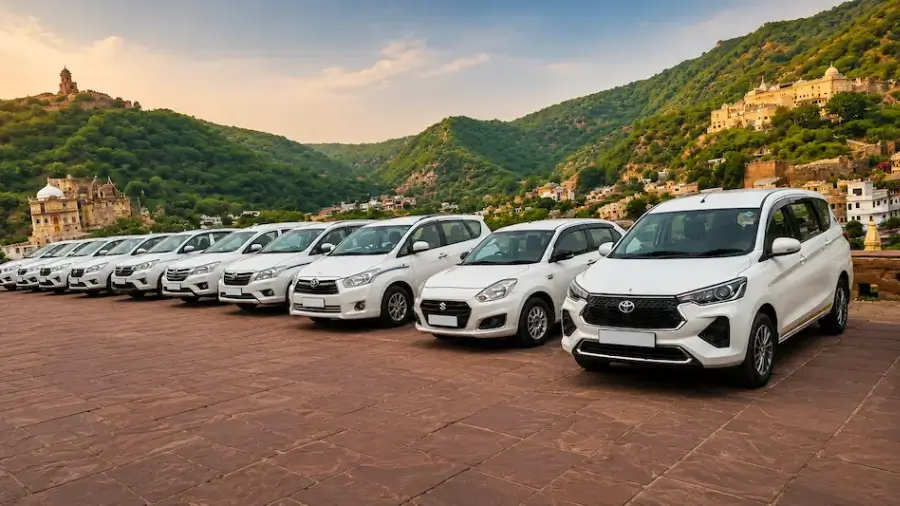
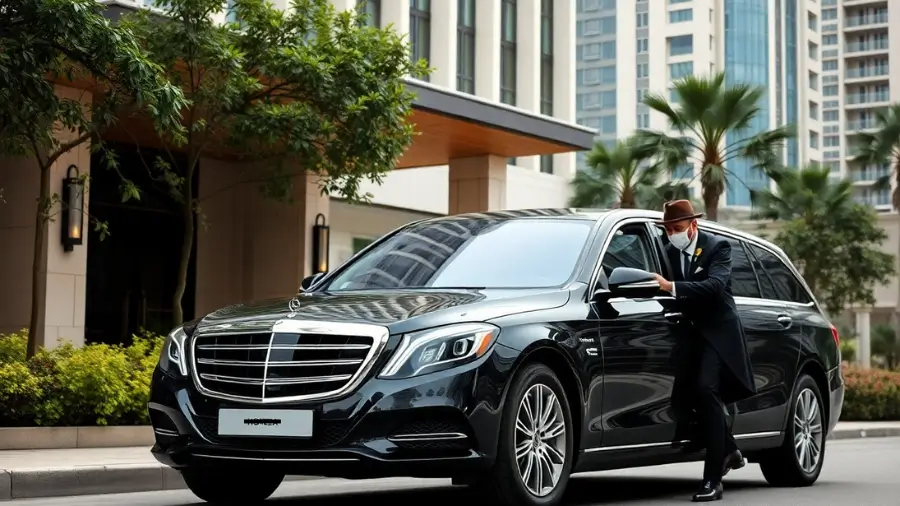
Vehicle choice also matters. A premium MPV is usually the most practical option for two travellers with large suitcases. It provides more space than a compact sedan and is more comfortable on road sectors lasting five or six hours. Travellers wanting an executive sedan or luxury SUV can request a higher vehicle category.
Private guide costs depend on city, language, duration and specialist requirements. A full-day guide in a major destination may cost more than a short half-day service, and highly experienced specialist guides may charge a premium. For luxury travellers, guide quality is usually more important than saving a relatively small amount on the sightseeing component.
A properly structured India private tour with chauffeur and guide should therefore show exactly what is included rather than giving a vague total with no service breakdown.
The private driver remains one of the most important people on a multi-city India journey because the chauffeur spends more time with the guests than most local guides.
The driver can meet travellers at the airport, handle hotel transfers, collect them for sightseeing and drive between cities according to the confirmed itinerary. On a Delhi–Agra–Jaipur–Jodhpur–Udaipur route, the same chauffeur can normally remain with the guests for the main road journey.
This continuity has practical value. The driver becomes familiar with the guests’ preferred departure times, luggage requirements and general travel pace. Travellers do not need to explain every morning where they are going or negotiate with a new taxi.
A premium chauffeur service should also account for the condition of the vehicle. Air conditioning, interior cleanliness, luggage space and comfortable seating are essential. Over a two-week tour, guests can spend dozens of hours inside the car, so vehicle quality directly affects the holiday.
The private driver should not be expected to provide detailed historical commentary while driving. Some chauffeurs know a great deal about the route, but that does not make them licensed local guides. The strongest arrangement is to let the chauffeur focus on transportation while professional guides join in the cities where they are most useful.
Fuel, tolls, parking and routine chauffeur expenses should normally be included within the private transport cost. Travellers should confirm this before booking so they are not repeatedly asked to pay small road charges during the journey.
A private guide adds depth that transportation alone cannot provide. In Delhi, Agra and Rajasthan, many monuments are visually impressive but difficult to interpret properly without historical context.
At Humayun’s Tomb, a guide can explain how Mughal architecture developed before the Taj Mahal. At Agra Fort, the relationship between the imperial complex and Shah Jahan becomes clearer. At Amber Fort in Jaipur, the structure of the palace, courtyards and fortifications becomes more meaningful when the political and architectural background is explained.
A private tour guide in India also helps with practical matters. Monument entrances, ticket checks and security procedures can be easier when someone familiar with the site is accompanying the travellers. The guide can adjust the visit around the guests’ interests instead of forcing them into a group schedule.
Couples interested in photography may want more time at selected viewpoints. Families may prefer shorter explanations and more movement. Travellers interested in architecture can spend longer inside palace sections. A private guide can adapt much more easily than a fixed group tour.
Guide quality matters. A strong private guide should explain clearly, allow guests time to look around and avoid turning the visit into an uninterrupted lecture. Shopping stops should only be included when the traveller wants them. A sightseeing day should not become a series of commission-based retail visits disguised as cultural experiences.
For a luxury package, licensed and experienced guides should be used in the main historical cities rather than relying on whichever guide happens to be available locally at the last minute.
Delhi is one of the strongest cities for using both services together because major attractions are spread across a large metropolitan area.
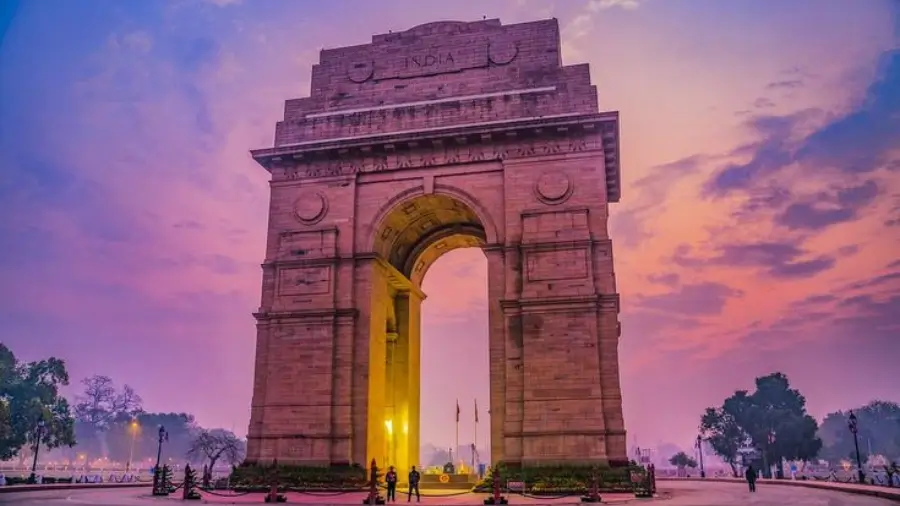
A chauffeur handles the vehicle and road movement, while the guide joins guests for the historical sightseeing. Humayun’s Tomb, Qutub Minar, Old Delhi and selected areas of New Delhi can form the main day, but trying to cover every major attraction in one schedule is rarely worthwhile.
Traffic can be substantial, and each monument requires walking and security procedures. A well-paced private day allows enough time for the places that matter most rather than spending the entire day rushing between gates.
Luxury hotel guests may also prefer to return to the property during the afternoon for a break. A private vehicle makes this possible, whereas a fixed coach schedule does not.
Delhi hotel rates can commonly range from $400–$900+ per night for premium accommodation, with suites going considerably higher. The overall package cost therefore depends partly on whether the city is used simply as an arrival point or as a proper two- or three-night stay.
The airport transfer should also be included. Indira Gandhi International Airport to central New Delhi can take approximately 30 to 60 minutes in lighter traffic and longer during busy periods.
The road journey from Delhi to Agra usually takes around three and a half to four and a half hours, depending on hotel location, traffic and comfort stops.
A private chauffeur gives guests direct hotel-to-hotel transportation. Luggage remains in the vehicle, and there is no need to move through railway stations with full-size suitcases.
One night in Agra works well. Guests can arrive around lunchtime, check into the hotel and visit Agra Fort with a private guide during the afternoon.
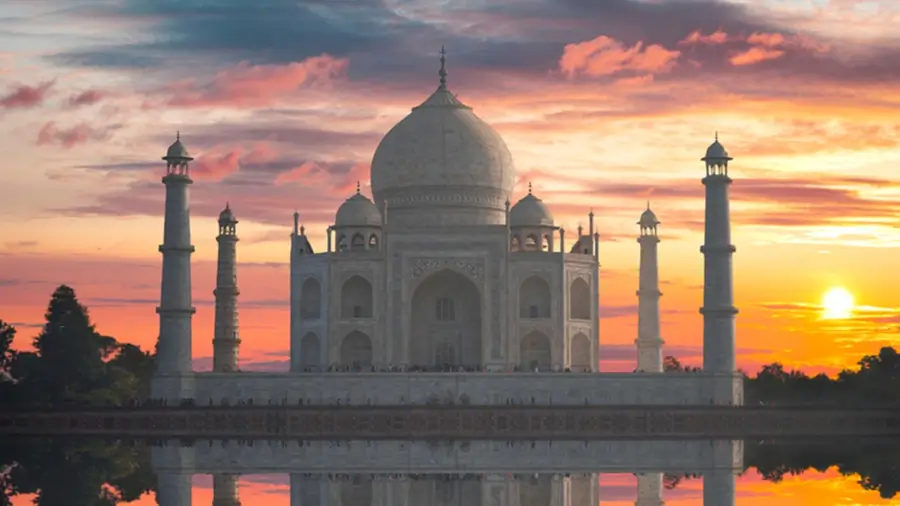
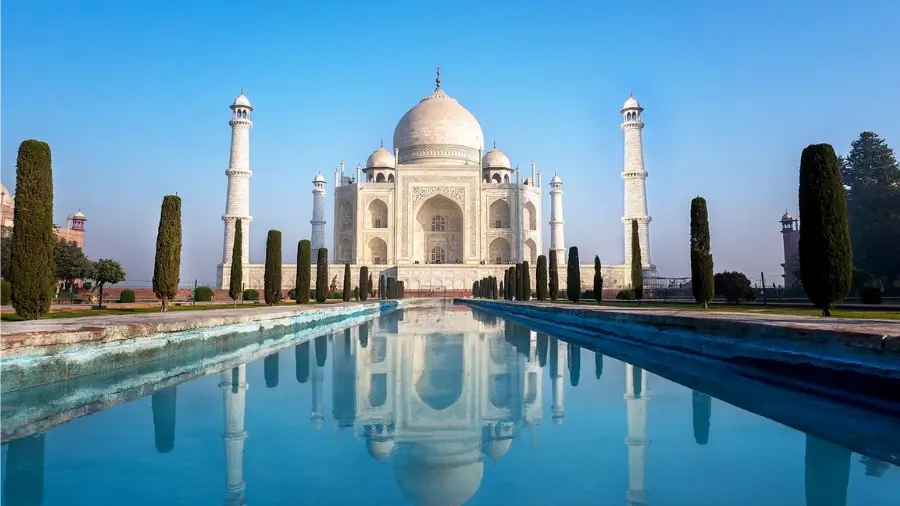
The Taj Mahal can then be visited around sunrise the following morning. The monument normally opens around sunrise and is closed to general visitors on Fridays. International visitors should allow approximately $15–$20 per person for standard admission depending on the current official ticket category.
A private guide is particularly valuable at the Taj Mahal because the visit involves more than photographs. The guide can explain the architecture, materials, Mughal context and layout while giving travellers enough space to enjoy the monument.
Premium Agra hotels can cost around $450–$1,100+ per night, especially for desirable room categories. The private driver can wait at the hotel or designated parking area while the guide handles the monument visit.
Agra to Jaipur generally takes approximately four and a half to five and a half hours by road. Travellers can arrive during the afternoon, check into their hotel and keep the first evening free.
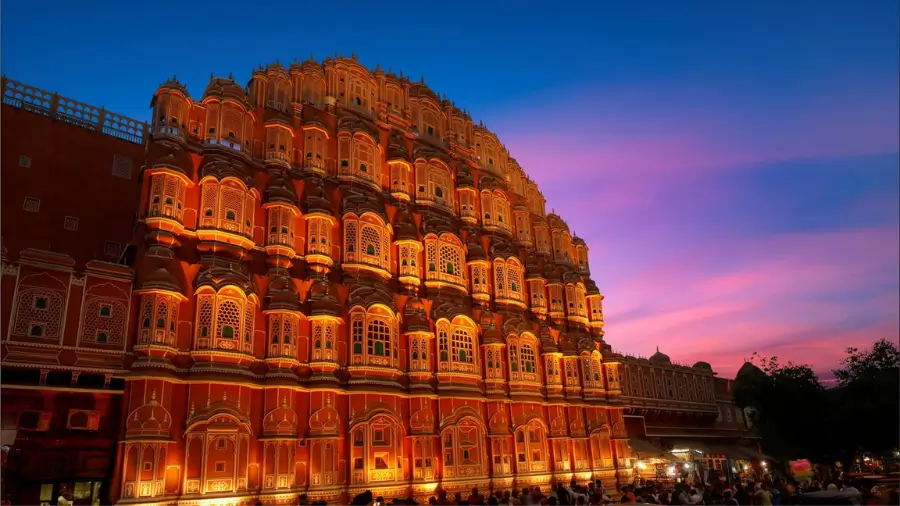
Jaipur deserves at least two nights, while three is better for luxury travellers. Amber Fort is usually the principal morning visit and should receive several hours. The guide can then continue with City Palace, Jantar Mantar and Hawa Mahal according to the traveller’s pace.
The chauffeur remains responsible for the road movement between these locations, which is particularly useful because Amber Fort is outside the central city.
International visitors covering the major paid attractions can allow approximately $40–$70 per person for entrance charges, depending on the sites and current ticket categories.
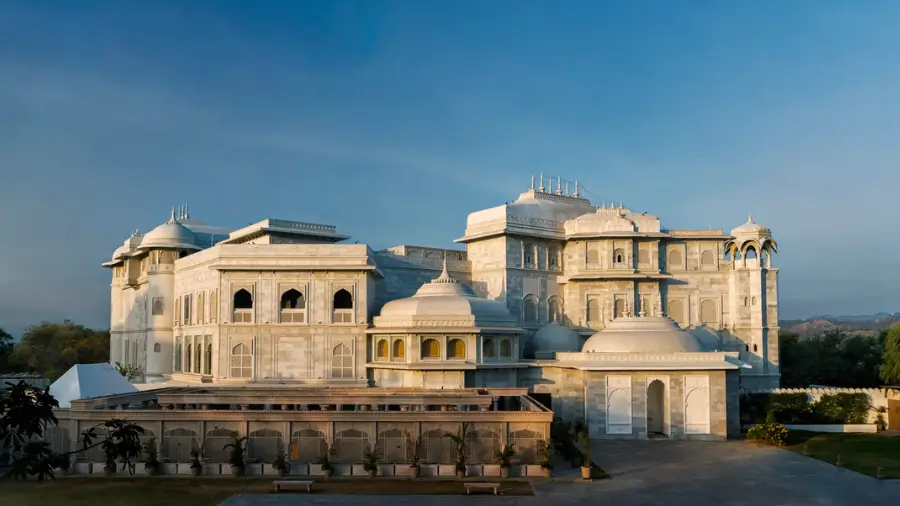
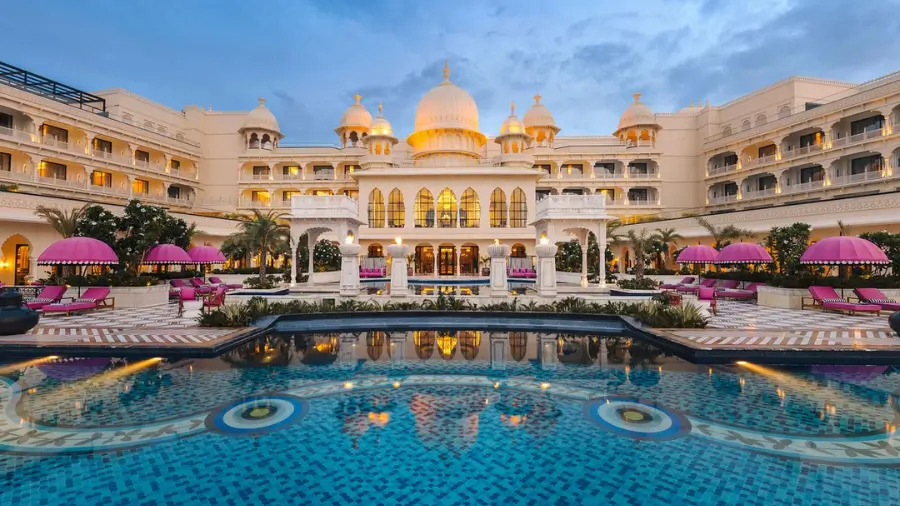
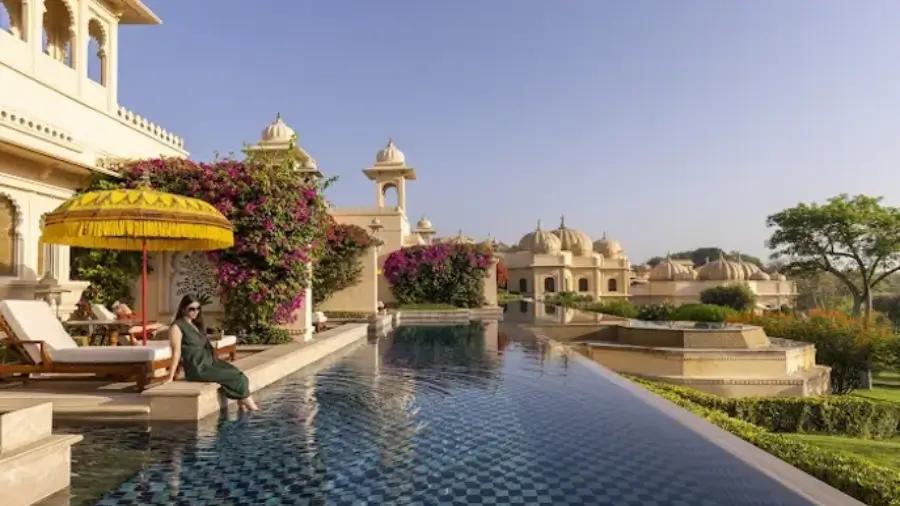
Jaipur is also one of the strongest cities for palace-style accommodation. Premium rooms can cost $500–$1,500+ per night, while top suites and villas can cost several thousand dollars.
A private Jaipur tour with driver and guide should leave enough time for the hotel. Guests paying for a palace resort should not be collected before sunrise every morning simply to fit more stops into the schedule.
Travellers with around fourteen days can continue the chauffeur-driven route from Jaipur to Jodhpur and Udaipur.
Jaipur to Jodhpur generally takes around five and a half to six and a half hours. Two nights is a practical stay. Mehrangarh Fort can occupy several hours and benefits strongly from a private guide because of the size of the complex and its historical collections.
Jaswant Thada and selected areas of the old city can be included afterwards. Luxury accommodation in Jodhpur can cost approximately $450–$1,000+ per night, with leading palace properties and premium suites going much higher.
From Jodhpur, the chauffeur can continue to Udaipur via Ranakpur. This road day can occupy much of the day once sightseeing and lunch are included, but it becomes a meaningful part of the itinerary rather than simply a transfer.
Udaipur should receive around three nights on a premium trip. City Palace, Lake Pichola and selected old-city sightseeing can be arranged with a local private guide, while another day can remain lighter.
Premium Udaipur hotels can cost approximately $600–$1,500+ per night, with famous lakefront suites reaching several thousand dollars.
The combination of one dedicated chauffeur and city-specific guides works particularly well on this route because the road logistics remain continuous while the historical commentary is provided by people who know each destination in detail.
Usually not.
A single escort guide can accompany travellers throughout a journey, but for many premium private itineraries, local specialist guides are stronger in major cities. A Delhi guide knows Delhi’s monuments and traffic patterns in detail. An Agra guide spends significant time at the Taj Mahal and Agra Fort. Jaipur guides are deeply familiar with Amber Fort and the royal city.
Using local experts means travellers receive destination-specific knowledge rather than one generalist guide trying to cover every region.
However, some travellers prefer having a dedicated tour escort for continuity. This can be arranged for longer luxury journeys, particularly for families, private groups or guests who want one person coordinating the whole trip on the ground.
This service adds considerably to the package cost because the escort requires transportation, accommodation and daily fees throughout the journey.
For most couples, the strongest value comes from having the same chauffeur on the road route and separate private guides in important cities.
The vehicle is not a minor detail on a multi-city private journey.
A sedan may be sufficient for two people travelling light, but international travellers often have multiple large suitcases. In that situation, a premium MPV is more practical. It provides more luggage space, easier entry and a more comfortable seating position for long road sectors.
A luxury SUV can provide another level of comfort and road presence. Executive sedans are also available for couples who prefer that style of vehicle, although luggage capacity needs to be checked carefully.
For a ten- or fourteen-day India tour with private car and driver, the vehicle should be chosen around total journey comfort rather than just the first airport transfer.
Guests may spend four hours driving from Delhi to Agra, five hours from Agra to Jaipur and another six hours from Jaipur to Jodhpur. A car that feels acceptable for twenty minutes can become uncomfortable after repeated long sectors.
The quotation should therefore name or clearly describe the vehicle category rather than simply stating “air-conditioned car.”
Luxury private tours should not rely on a vague promise of “five-star hotels.” The actual property and room category matter.
Delhi suits sophisticated city hotels with strong restaurants and service. Agra can benefit from a property with convenient Taj Mahal access. Jaipur and Udaipur are excellent places for palace-style or resort accommodation, while Jodhpur can add another heritage stay.
For a balanced itinerary, travellers do not need the most expensive suite every night. A strong approach is to spend more in destinations where the hotel itself becomes part of the trip.
For example, a couple might use a premium Delhi hotel around $500–$800 per night, a Taj Mahal property in Agra around $600–$1,000, then spend $1,000–$1,500+ per night in selected Rajasthan properties.
Across thirteen nights, these choices can dramatically change the final package total.
Room categories should therefore be listed in the quotation. A standard room and a premium suite at the same hotel can differ by thousands of dollars across multiple nights.
A complete private India tour with driver and guide should identify the major services before the traveller pays any deposit.
Private airport reception and transfers should be listed. The chauffeur-driven vehicle should be named by category, and the road sectors it covers should be clear.
Fuel, tolls, parking and routine chauffeur expenses should normally be incorporated into the transport price.
Hotels should be named by city, along with room categories where possible. Daily breakfast is commonly included. Lunches and dinners can remain flexible unless selected meals are part of the itinerary.
Private guides should be listed for specific cities. Monument tickets can either be prepaid or shown separately.
Domestic flights should be included where they are necessary for the route. Baggage allowance deserves particular attention because international travellers may carry more luggage than the lowest domestic fare permits.
Wildlife safaris, boat rides and other special activities should be identified individually rather than hidden inside a general sightseeing description.
International flights, visa charges, travel insurance, gratuities and personal spending are usually separate unless specifically included.
Travellers should look carefully at exclusions because some quotations appear cheaper simply by removing major components.
International airfare is often excluded from the ground package. Indian visa costs and travel insurance are normally separate as well.
Lunch and dinner are frequently not included unless a half-board or full-board arrangement has been requested. This is often useful for luxury travellers because it allows them to choose restaurants rather than eating every meal at the hotel.
Alcoholic beverages, spa treatments, laundry, personal shopping and room-service expenses are also normally separate.
Gratuities are usually left to the traveller’s discretion unless a specific gratuity arrangement has been built into the package.
Domestic flights may or may not be included depending on the itinerary. The quotation should make this explicit rather than leaving travellers to assume.
For travellers visiting one city for two days, private transport may be convenient but not essential. For a multi-city journey covering Delhi, Agra and Rajasthan, the value increases considerably.
The chauffeur removes the repeated need to arrange transportation between hotels, airports and cities. The guide prevents major historical attractions from becoming visually impressive but context-free visits.
Private service also gives travellers control over their daily pace. A couple can leave later after breakfast, spend more time at a monument or return to the hotel early if they are tired.
Families can structure breaks around children. Older travellers can reduce walking time and avoid unnecessary waiting. Photographers can devote more time to locations that interest them most.
A luxury private India tour therefore offers value through continuity and flexibility rather than simply through a more expensive car.
The package is strongest when the additional money is being spent on tangible improvements: better hotels, comfortable vehicles, skilled guides, realistic road timings and seamless transfers.
The booking process should begin with duration, arrival city, departure city and the number of travellers. The route can then be matched to the available time.
Ten days works well for Delhi, Agra, Jaipur and one additional destination. Fourteen days allows Jodhpur and Udaipur to be added without creating too many one-night stays. Twenty-one days can support another region such as Kerala or Varanasi with domestic flights.
Hotel preferences should be stated clearly. Travellers should indicate whether they want contemporary five-star hotels, palace properties, premium suites or a mixture.
The vehicle category can then be selected according to the number of passengers and luggage. Local private guides should be assigned to the major sightseeing destinations.
India Personal Tours can coordinate the chauffeur, luxury hotels, local guides, airport transfers and domestic connections within one private itinerary. The company reference is most useful in the booking section; throughout the journey, the focus should remain on the service itself.
A strong private India holiday should feel simple from the traveller’s perspective. The vehicle arrives when required, luggage moves with the guests, the guide is waiting at the correct city and every major hotel or flight connection fits the route. That level of continuity is what gives a private India tour with driver and guide its real value.
Every traveller is unique, and every journey should be equally distinctive. Share your travel aspirations with us, and our travel specialists will craft a bespoke itinerary tailored to your interests, preferences, and travel style. From private transportation and handpicked accommodations to authentic, immersive experiences, every detail will be thoughtfully curated for you. Your personalised travel proposal will be delivered within 24 hours.
Find answers to the most common questions about our tours, booking process, private drivers, accommodations, and travel services.
For two travellers, a private India tour with driver and guide can cost around $8,000–$12,000 for 10 days, approximately $12,000–$18,000 for 14 days, and around $20,000–$30,000 for 21 days using luxury hotels and private services.
No. The chauffeur handles transportation, luggage and road logistics, while a licensed local guide provides detailed sightseeing in major cities. Premium tours usually work best when these roles remain separate.
On connected road routes such as Delhi, Agra and Rajasthan, the same chauffeur can normally remain with guests throughout the main road section.
Usually yes. Local specialist guides can join in Delhi, Agra, Jaipur, Jodhpur and Udaipur. This gives travellers destination-specific expertise.
A premium MPV is often the strongest choice because it provides good seating comfort and enough luggage space. Luxury SUVs and executive sedans can also be arranged.
They should normally be included in a complete chauffeur package. Travellers should confirm this in the quotation before booking.
They can be prepaid and incorporated into the package or shown separately. The quotation should state clearly which arrangement applies.
Yes, when the package has been quoted as a complete private holiday. The exact hotel names and room categories should be stated because accommodation can change the total cost significantly.
Yes. Domestic flights can be incorporated where the itinerary moves between distant regions such as Rajasthan and Kerala or Delhi and Varanasi.
Yes. India Personal Tours can arrange the chauffeur-driven route, private guides, luxury hotels, airport transfers and domestic connections before the traveller arrives in India.